Moter3d
Well-known member
- First Name
- Scott
- Joined
- Jan 19, 2024
- Threads
- 0
- Messages
- 81
- Reaction score
- 64
- Location
- Georgetown
- Vehicles
- 22 ram 20 ex350
- Occupation
- Diagnostic tech

The surface under the magnetic sheet
Sponsored

The surface under the magnetic sheet is another vinyl wrap in this case.The surface under the magnetic sheet
We'd love to just immediately drop a new product that can do everything for everyone, but bringing a product to market that works as promised requires a lot of thought, planning and engineering. People are spending their hard-earned money on our products, so we must make sure they work, and work well.Why the delay in testing over PPF? There’s thousands out there w/ppf.
Thanks for the detailed response.We'd love to just immediately drop a new product that can do everything for everyone, but bringing a product to market that works as promised requires a lot of thought, planning and engineering. People are spending their hard-earned money on our products, so we must make sure they work, and work well.
We have been developing this product in several stages:
1) A magnetic wrap that can bond well with stainless steel.
2) A magnetic wrap that can bond well with stainless steel covered in a layer of vinyl.
3) A magnetic wrap that can bond well with stainless steel covered by an even thicker layer of material.
It's not that we can't find Cybertrucks with PPF for testing. It's just that we cannot guarantee that our regular kits will hold under all conditions and wind speeds with a significant loss of magnetic adhesion that the PPF layer will cause. The magnetic wrap might hold around town, or even at high linear wind speeds, but maybe not over the next gusty bridge on a long road trip.
Since PPF is substantially thicker than vinyl, a higher energy formulation of magnetic sheet has to be made yet remain flexible enough to bend over the creases of the Cybertruck's angular body. The problem is that a more powerful magnetic sheet must be substantially thicker. Meaning we will have to redesign all the cuts where the thicker material cannot bend or fold over the body creases, resulting in an entirely new product that has to be developed.
My response has nothing to do with margins and has everything to do with physics. Ferrite, the material that makes each sheet magnetic is not flexible. It is the polymer added to the mix that gives each sheet its flexibility. We therefore have to add more polymer to compensate for less rigidity caused by the increased presence of ferrite, which adds to the thickness of each sheet. I wish this would help us maintain our margin as you mentioned, but in fact, it nearly doubles our manufacturing costs.Thanks for the detailed response.
Increasing the thickness of the magnetic panel so that you may be confident it could hold up under more extreme conditions will likely be counterproductive as most potential buyers would not be as satisfied with the increased thickness.
Personally I would be willing to pay more for a stronger magnetic composition that meets those requirements without significantly increasing the thickness, but your response implies you may be trying to maintain the margins/price by increasing the thickness instead. That is likely a mistake in my view.
Good luck!
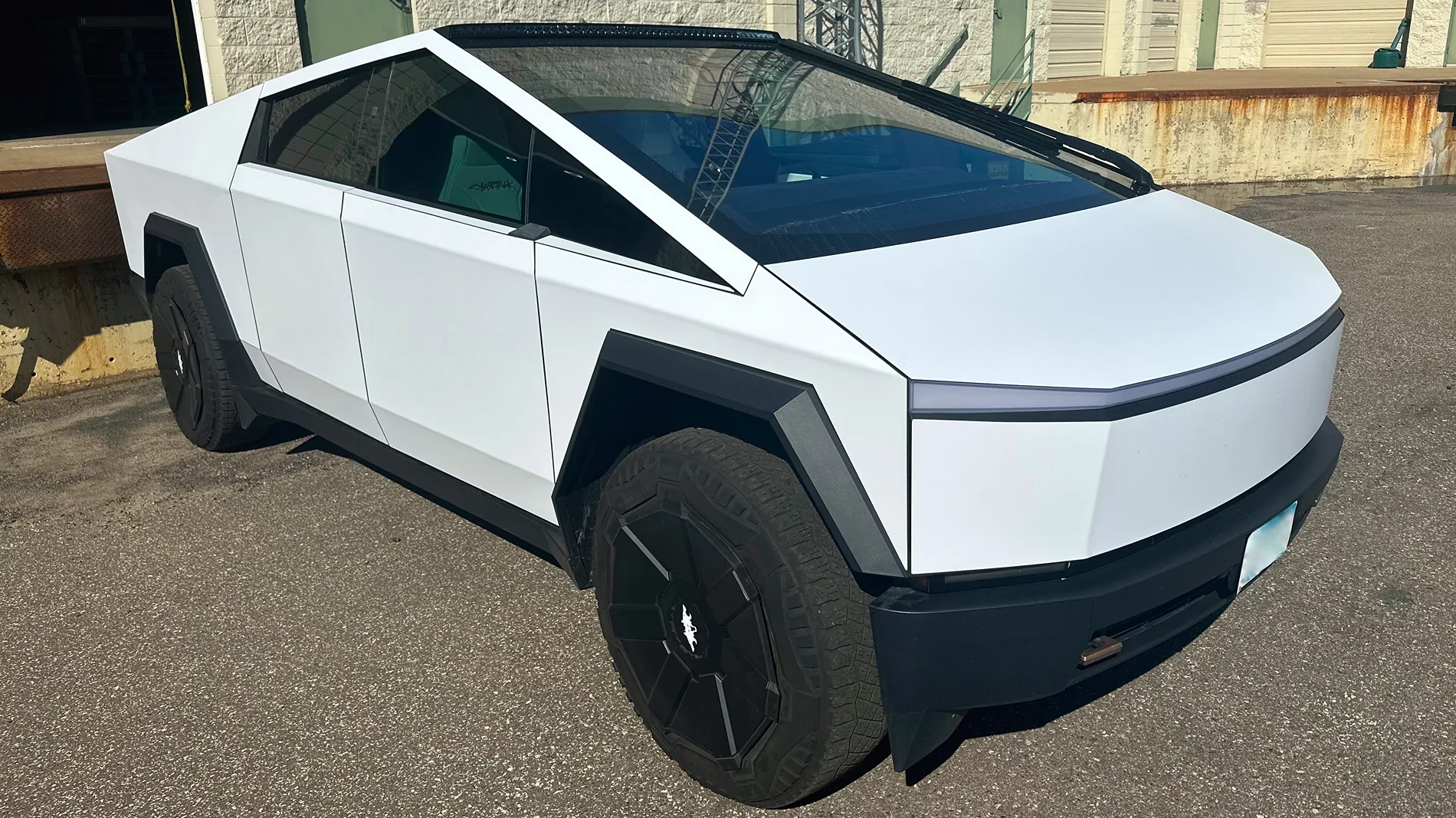
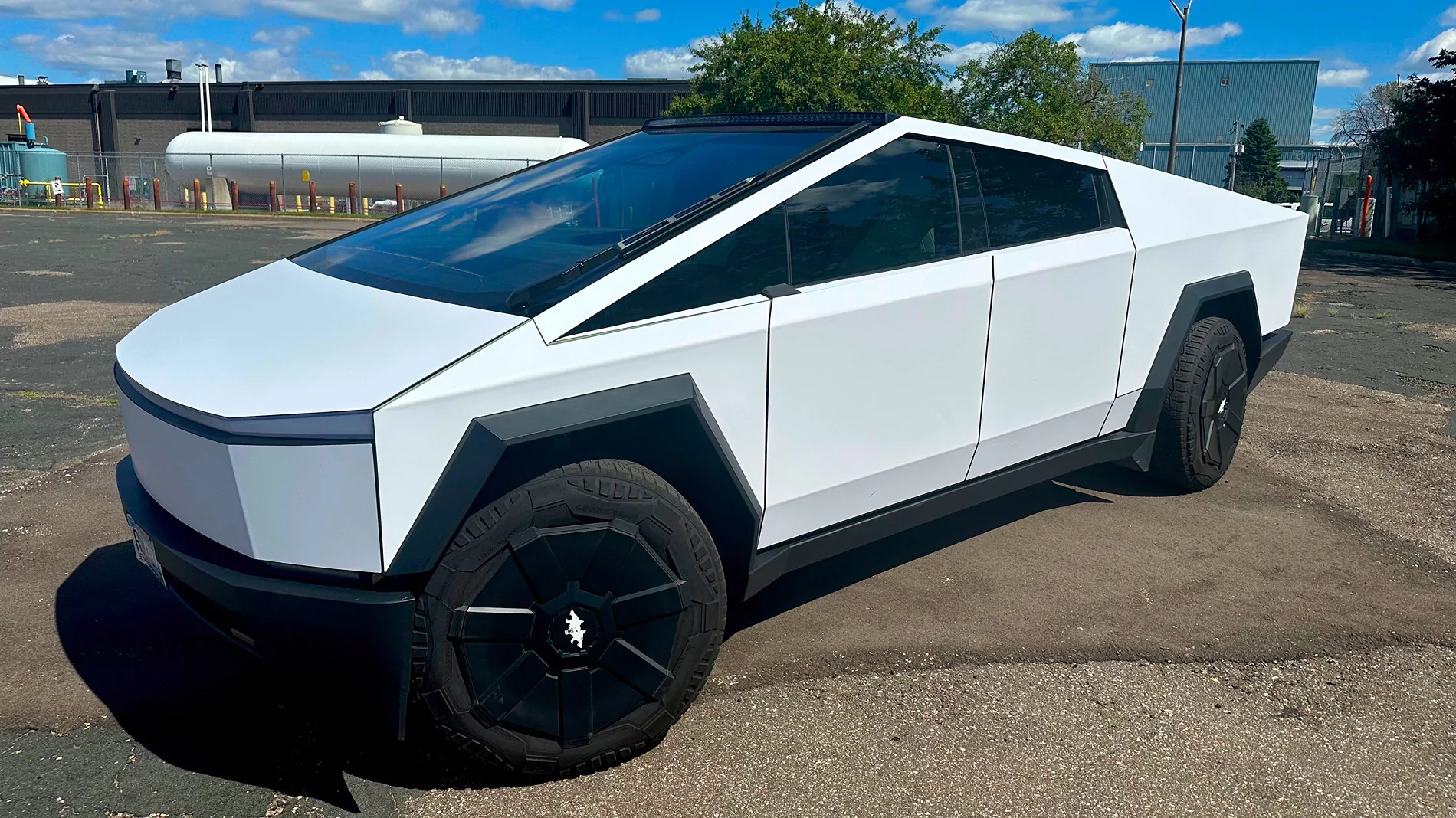
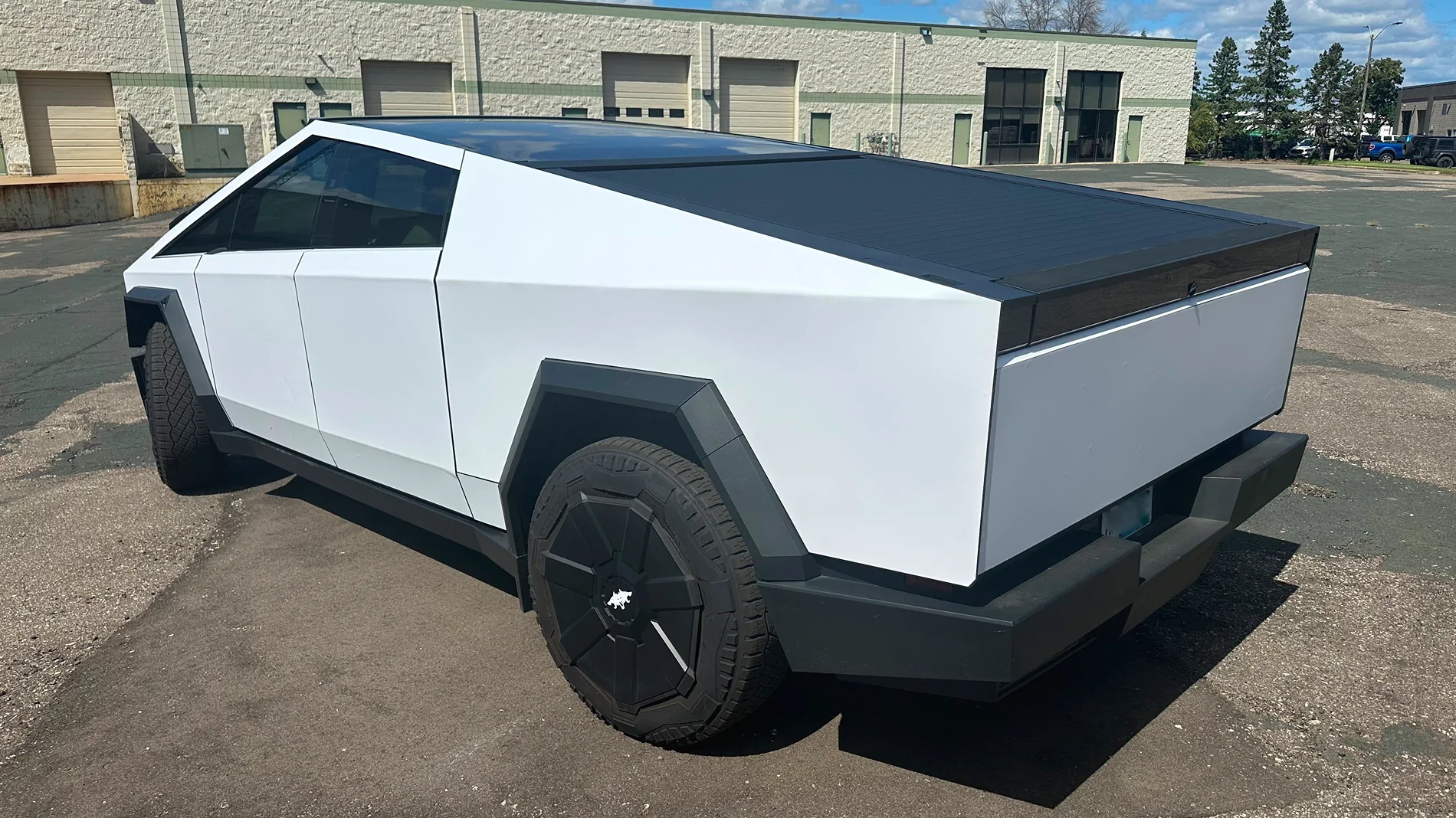
This looks interesting, but am I correct that the maintenance instructions recommend removing the wrap within 2 days of getting wet with rain or washing to allow drying under the wrap? That sounds like a lot of work if that is the caseHere's our first test applying a Magnetic Wrap over an already existing vinyl wrap. This example is in a Matte White finish and has been tested at 80 MPH so far with no trouble.

These instructions are for those who want to play it perfectly safe.This looks interesting, but am I correct that the maintenance instructions recommend removing the wrap within 2 days of getting wet with rain or washing to allow drying under the wrap? That sounds like a lot of work if that is the case
Ugh...I just spent countless hours removing protectaclear from my truck since I couldn't get a good finish on it. But I can say, that stuff is durable!!!These instructions are for those who want to play it perfectly safe.
Drier, warmer climates like in the Southwest in which no rock salt is present on the roadways means you don't have to follow those recommendations by the book. It just poured on our Cybertruck yesterday, and we won't be removing our wrap for any cleaning, but this is in the late summer in which there is no trace of salt left on the roads, even where we're at in West Virginia. If you live in an area where rock salt deposits can still be on the road, even during the summer months, simply apply the double coat of ProtectaClear before applying your magnetic wrap, and you won't have to every worry about removing the magnetic wrap for cleaning.
The point of removing the magnetic wrap for cleaning after the rain is in case there is salt on your Cybertruck or salt mixed with the rain. Rain by itself will never harm your vehicle's finish, with our without a magnetic wrap on it. Salt is the culprit, and salt easily dissolves in rain or road puddles.
Also... Those pictures of the white wrap is on a Cybertruck with an pre-existing vinyl wrap beneath the magnetic one. In this case, much of the Care & Instruction Guide does not apply since you cannot remove the base layer vinyl wrap, anyway.
At least of you're using ProtectaClear for the sole purpose of keeping a Magnetic Wrap over it, you won't have to worry about how bad the ProtectaClear application looks beneath it.Ugh...I just spent countless hours removing protectaclear from my truck since I couldn't get a good finish on it. But I can say, that stuff is durable!!!


Our Magnetic Wraps have been tested in winter weather around the Great Lakes region of the Midwest USA with no trouble. Cold does not seem to be a problem. You just want to be certain that you are applying the magnetic wrap in warmer temperatures. If you're in Canada in the winter, you'll need to install the wrap in a temperature controlled garage at least 60°F (16°C). You will also need a hairdryer or heat gun to help conform any stiff edges of the magnetic sheets to the Cybertruck body. Once fitted and conformed properly, the magnetic sheets will adhere and perform well, even in extreme cold.I’m thinking of buying magnetic covers for this winter. How will these hold up in a Canadian winter? Extreme cold, snow and ice? Not to mention salt on the roads.