
ldjessee
Well-known member
- First Name
- Lloyd
- Joined
- Apr 22, 2020
- Threads
- 14
- Messages
- 1,148
- Reaction score
- 1,361
- Location
- Indiana, USA
- Vehicles
- Nissan Leaf, MYLR, Kaw 1700 Vaquero
- Occupation
- Business Intelligence Manager & Analyst

- Thread starter
- #1
I have just returned from spending time on the ABC islands (Aruba, Bonaire, and Curacao). Each Island is different, but I could not get over how small these islands were, but they were buying vehicles that had hundreds of miles of range... that was a complete waste... and they were overpaying for a feature they literally could never use. Not only range, but top speed.
None of the three have what I would call a freeway, most roads are narrow. On Bonaire, there is a road that went for like 10 miles and it was one way. You just had to make a 15 mile loop if you drove past where you wanted to go... or risk going the wrong way on a road so narrow that it barely fit a minivan.
Bonaire also had wind turbines and some solar panels, but from the dozen or so windturbines (that were put in a while ago, they looked to be older and smaller designs) provided the island with 50% of their electricity, the other 50% coming from diesel generators... but they had no electric storage (battery, etc), and I saw two turbines were not spinning (curtailment). Now Bonaire is the least populated of the three, with just over 21,000 people by most estimations since 2019 census.
Aruba was interesting, it was heavily populated (120,000-150,000 people, depending on who you believed about undocumented people), but hardly had any solar and no wind turbines. I think (my opinion) was that they have an oil refinery.
Curacao had a larger population (over 150,000 residents, 15,000 refugees, plus some number of undocumented people), but had some solar, but I did not see any wind turbines (I did not travel around that whole island). It was a much more crowded feeling.
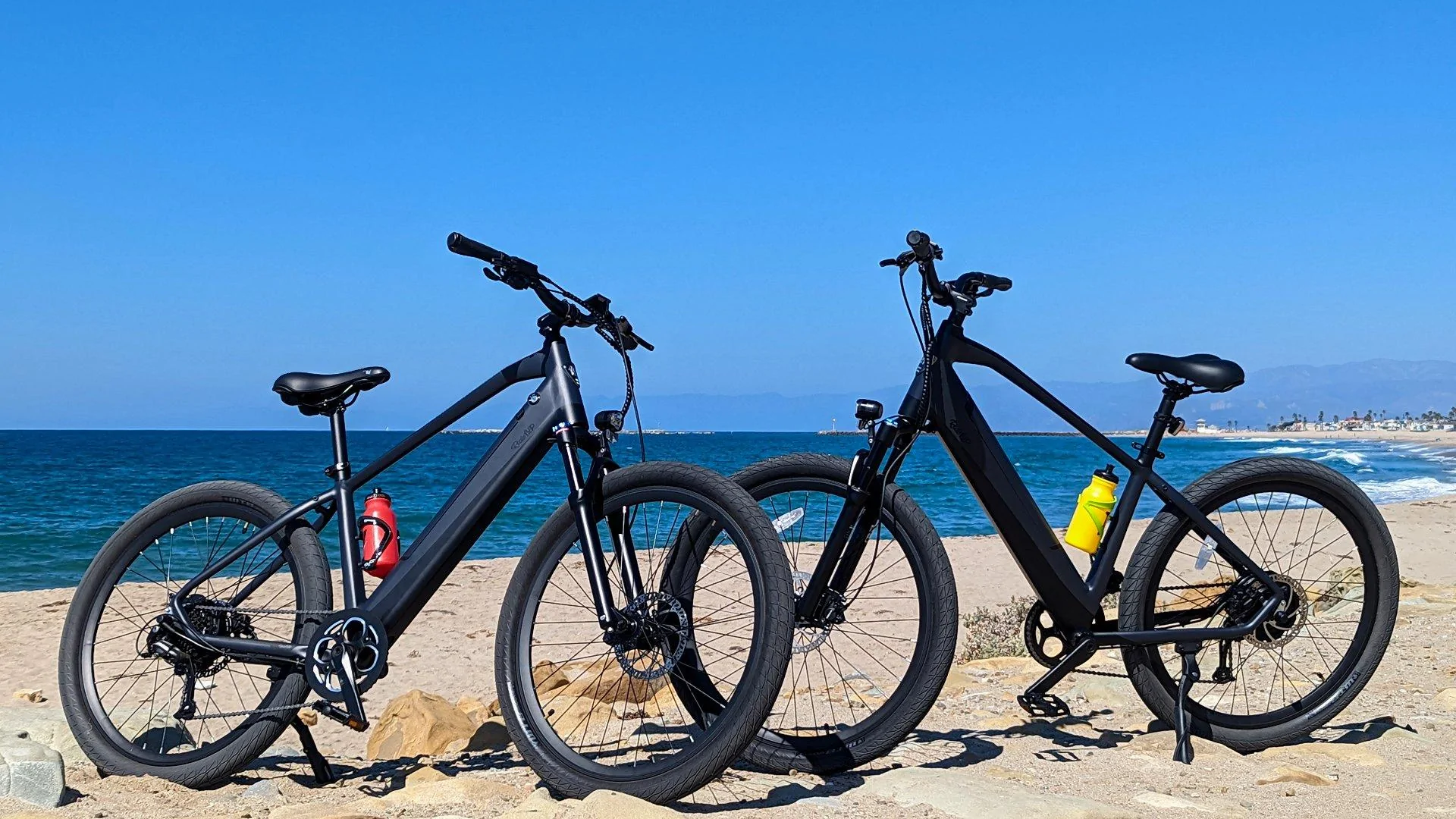
Anyway, it just shocked me how Bonaire had some electric scooters (as well as gas) for rent, but the other two islands only had gas scooters for rent. An electric scooter with 20-30 miles of range on an island that has less rain fall than Arizona seems like a great way to get around. Even better way would be ebike... where pedaling could extend range. The highest elevation is like 600ft above sea level, but those are usually concentrated into a few hills around the islands.
And, the three islands together have less sq miles than the county I live in (Monroe, Indiana). So, dry, sunny, windy locations with almost nothing more severe than a thunderstorm and those so rare that when they happened before and as I arrived, people were comparing it to a storm that hit the islands in the 1800s...
Seems like the faster they could switch off of fossil fuels, the better for their economies and condition of the islands.
Bonaire, know for its diving and reefs, has many laws in place to protect the reefs, like you cannot drop an anchor, you have to either tie up to a buoy ball or a dock. It being the smallest in population and middle size in land area, is also the cleanest of the three islands.
It is funny how these places (islands with access to lots of renewable resources) could be switched off of fossil fuels, but have not.
But, they are looking into it. There was an article in the news there about this seaweed they were going to cultivate that grows some ridiculous multiple faster than wheat, but was more nutritious. I do not read Spanish, Dutch, nor Papiamento, so I was not really able to follow it from the local news.
Anyway, on all the islands, they have pickup trucks and they all burn diesel or gas. They could really use a 100-200 mile range pickup truck there that could charge off of 110 or 220.
Cybertruck would be overkill, except... they have LOTS of cactus and trees and bushes with large, sharp thorns. Had several people warn us about watching where you were stepping, 3 inches and they would go right thru a shoe or flipflop... and many trucks are all scratched up from these. Stainless steel would be an advantage there.
4 wheel steering would help greatly with some of the narrow and tight streets.
Just wanted to share my experiences and how I think it relates to electrical vehicles and the Cybertruck.
None of the three have what I would call a freeway, most roads are narrow. On Bonaire, there is a road that went for like 10 miles and it was one way. You just had to make a 15 mile loop if you drove past where you wanted to go... or risk going the wrong way on a road so narrow that it barely fit a minivan.
Bonaire also had wind turbines and some solar panels, but from the dozen or so windturbines (that were put in a while ago, they looked to be older and smaller designs) provided the island with 50% of their electricity, the other 50% coming from diesel generators... but they had no electric storage (battery, etc), and I saw two turbines were not spinning (curtailment). Now Bonaire is the least populated of the three, with just over 21,000 people by most estimations since 2019 census.
Aruba was interesting, it was heavily populated (120,000-150,000 people, depending on who you believed about undocumented people), but hardly had any solar and no wind turbines. I think (my opinion) was that they have an oil refinery.
Curacao had a larger population (over 150,000 residents, 15,000 refugees, plus some number of undocumented people), but had some solar, but I did not see any wind turbines (I did not travel around that whole island). It was a much more crowded feeling.
Anyway, it just shocked me how Bonaire had some electric scooters (as well as gas) for rent, but the other two islands only had gas scooters for rent. An electric scooter with 20-30 miles of range on an island that has less rain fall than Arizona seems like a great way to get around. Even better way would be ebike... where pedaling could extend range. The highest elevation is like 600ft above sea level, but those are usually concentrated into a few hills around the islands.
And, the three islands together have less sq miles than the county I live in (Monroe, Indiana). So, dry, sunny, windy locations with almost nothing more severe than a thunderstorm and those so rare that when they happened before and as I arrived, people were comparing it to a storm that hit the islands in the 1800s...
Seems like the faster they could switch off of fossil fuels, the better for their economies and condition of the islands.
Bonaire, know for its diving and reefs, has many laws in place to protect the reefs, like you cannot drop an anchor, you have to either tie up to a buoy ball or a dock. It being the smallest in population and middle size in land area, is also the cleanest of the three islands.
It is funny how these places (islands with access to lots of renewable resources) could be switched off of fossil fuels, but have not.
But, they are looking into it. There was an article in the news there about this seaweed they were going to cultivate that grows some ridiculous multiple faster than wheat, but was more nutritious. I do not read Spanish, Dutch, nor Papiamento, so I was not really able to follow it from the local news.
Anyway, on all the islands, they have pickup trucks and they all burn diesel or gas. They could really use a 100-200 mile range pickup truck there that could charge off of 110 or 220.
Cybertruck would be overkill, except... they have LOTS of cactus and trees and bushes with large, sharp thorns. Had several people warn us about watching where you were stepping, 3 inches and they would go right thru a shoe or flipflop... and many trucks are all scratched up from these. Stainless steel would be an advantage there.
4 wheel steering would help greatly with some of the narrow and tight streets.
Just wanted to share my experiences and how I think it relates to electrical vehicles and the Cybertruck.
Sponsored