Sponsored

ABC Islands Infrastructure

ldjessee

Well-known member
First Name
Lloyd
Joined
Apr 22, 2020
Threads
14
Messages
1,148
Reaction score
1,361
Location
Indiana, USA
Vehicles
Nissan Leaf, MYLR, Kaw 1700 Vaquero
Occupation
Business Intelligence Manager & Analyst
Country flag
I have just returned from spending time on the ABC islands (Aruba, Bonaire, and Curacao). Each Island is different, but I could not get over how small these islands were, but they were buying vehicles that had hundreds of miles of range... that was a complete waste... and they were overpaying for a feature they literally could never use. Not only range, but top speed.

None of the three have what I would call a freeway, most roads are narrow. On Bonaire, there is a road that went for like 10 miles and it was one way. You just had to make a 15 mile loop if you drove past where you wanted to go... or risk going the wrong way on a road so narrow that it barely fit a minivan.

Bonaire also had wind turbines and some solar panels, but from the dozen or so windturbines (that were put in a while ago, they looked to be older and smaller designs) provided the island with 50% of their electricity, the other 50% coming from diesel generators... but they had no electric storage (battery, etc), and I saw two turbines were not spinning (curtailment). Now Bonaire is the least populated of the three, with just over 21,000 people by most estimations since 2019 census.

Aruba was interesting, it was heavily populated (120,000-150,000 people, depending on who you believed about undocumented people), but hardly had any solar and no wind turbines. I think (my opinion) was that they have an oil refinery.

Curacao had a larger population (over 150,000 residents, 15,000 refugees, plus some number of undocumented people), but had some solar, but I did not see any wind turbines (I did not travel around that whole island). It was a much more crowded feeling.

Anyway, it just shocked me how Bonaire had some electric scooters (as well as gas) for rent, but the other two islands only had gas scooters for rent. An electric scooter with 20-30 miles of range on an island that has less rain fall than Arizona seems like a great way to get around. Even better way would be ebike... where pedaling could extend range. The highest elevation is like 600ft above sea level, but those are usually concentrated into a few hills around the islands.

And, the three islands together have less sq miles than the county I live in (Monroe, Indiana). So, dry, sunny, windy locations with almost nothing more severe than a thunderstorm and those so rare that when they happened before and as I arrived, people were comparing it to a storm that hit the islands in the 1800s...

Seems like the faster they could switch off of fossil fuels, the better for their economies and condition of the islands.

Bonaire, know for its diving and reefs, has many laws in place to protect the reefs, like you cannot drop an anchor, you have to either tie up to a buoy ball or a dock. It being the smallest in population and middle size in land area, is also the cleanest of the three islands.

It is funny how these places (islands with access to lots of renewable resources) could be switched off of fossil fuels, but have not.

But, they are looking into it. There was an article in the news there about this seaweed they were going to cultivate that grows some ridiculous multiple faster than wheat, but was more nutritious. I do not read Spanish, Dutch, nor Papiamento, so I was not really able to follow it from the local news.

Anyway, on all the islands, they have pickup trucks and they all burn diesel or gas. They could really use a 100-200 mile range pickup truck there that could charge off of 110 or 220.

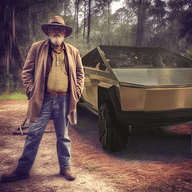
Cybertruck would be overkill, except... they have LOTS of cactus and trees and bushes with large, sharp thorns. Had several people warn us about watching where you were stepping, 3 inches and they would go right thru a shoe or flipflop... and many trucks are all scratched up from these. Stainless steel would be an advantage there.

4 wheel steering would help greatly with some of the narrow and tight streets.

Just wanted to share my experiences and how I think it relates to electrical vehicles and the Cybertruck.
Sponsored


 

CyberGus

Well-known member
First Name
Gus
Joined
May 22, 2021
Threads
91
Messages
10,236
Reaction score
33,889
Location
Austin, TX
Vehicles
1981 DeLorean, 2024 Cybertruck
Occupation
IT Specialist
Country flag
I visited Barbados 20 years ago, and solar water heaters were common. But I saw no sign of renewable power generation.

These small islands are a great use-case for a megapack.
 

Crissa

Well-known member
First Name
Crissa
Joined
Jul 8, 2020
Threads
138
Messages
19,571
Reaction score
31,475
Location
Santa Cruz
Vehicles
2014 Zero S, 2013 Mazda 3
Country flag
I visited Barbados 20 years ago, and solar water heaters were common. But I saw no sign of renewable power generation.

These small islands are a great use-case for a megapack.
But not the case of having the upfront money for such a thing.

-Crissa
 
OP
OP
ldjessee

ldjessee

Well-known member
First Name
Lloyd
Joined
Apr 22, 2020
Threads
14
Messages
1,148
Reaction score
1,361
Location
Indiana, USA
Vehicles
Nissan Leaf, MYLR, Kaw 1700 Vaquero
Occupation
Business Intelligence Manager & Analyst
Country flag
OP
OP
ldjessee

ldjessee

Well-known member
First Name
Lloyd
Joined
Apr 22, 2020
Threads
14
Messages
1,148
Reaction score
1,361
Location
Indiana, USA
Vehicles
Nissan Leaf, MYLR, Kaw 1700 Vaquero
Occupation
Business Intelligence Manager & Analyst
Country flag
But not the case of having the upfront money for such a thing.

-Crissa
I think the only reason Bonaire is as well off as it is, given such a small population, is that it decided to become part of the Netherlands, while the other two islands are in a different political situation.


Crissa

Well-known member
First Name
Crissa
Joined
Jul 8, 2020
Threads
138
Messages
19,571
Reaction score
31,475
Location
Santa Cruz
Vehicles
2014 Zero S, 2013 Mazda 3
Country flag
I think the only reason Bonaire is as well off as it is, given such a small population, is that it decided to become part of the Netherlands, while the other two islands are in a different political situation.
That kinda makes it sound like they had a choice, tho they've been a colony for most of their written history.

-Crissa
 

Sirfun

Well-known member
First Name
Joe
Joined
Dec 28, 2019
Threads
56
Messages
2,429
Reaction score
4,961
Location
Oxnard, California
Vehicles
Tesla Model Y , Chrysler Pacifica PHEV, Ford E-250
Occupation
Retired Sheet Metal Worker
Country flag
I have just returned from spending time on the ABC islands (Aruba, Bonaire, and Curacao). Each Island is different, but I could not get over how small these islands were, but they were buying vehicles that had hundreds of miles of range... that was a complete waste... and they were overpaying for a feature they literally could never use. Not only range, but top speed.

None of the three have what I would call a freeway, most roads are narrow. On Bonaire, there is a road that went for like 10 miles and it was one way. You just had to make a 15 mile loop if you drove past where you wanted to go... or risk going the wrong way on a road so narrow that it barely fit a minivan.

Bonaire also had wind turbines and some solar panels, but from the dozen or so windturbines (that were put in a while ago, they looked to be older and smaller designs) provided the island with 50% of their electricity, the other 50% coming from diesel generators... but they had no electric storage (battery, etc), and I saw two turbines were not spinning (curtailment). Now Bonaire is the least populated of the three, with just over 21,000 people by most estimations since 2019 census.

Aruba was interesting, it was heavily populated (120,000-150,000 people, depending on who you believed about undocumented people), but hardly had any solar and no wind turbines. I think (my opinion) was that they have an oil refinery.

Curacao had a larger population (over 150,000 residents, 15,000 refugees, plus some number of undocumented people), but had some solar, but I did not see any wind turbines (I did not travel around that whole island). It was a much more crowded feeling.

Anyway, it just shocked me how Bonaire had some electric scooters (as well as gas) for rent, but the other two islands only had gas scooters for rent. An electric scooter with 20-30 miles of range on an island that has less rain fall than Arizona seems like a great way to get around. Even better way would be ebike... where pedaling could extend range. The highest elevation is like 600ft above sea level, but those are usually concentrated into a few hills around the islands.

And, the three islands together have less sq miles than the county I live in (Monroe, Indiana). So, dry, sunny, windy locations with almost nothing more severe than a thunderstorm and those so rare that when they happened before and as I arrived, people were comparing it to a storm that hit the islands in the 1800s...

Seems like the faster they could switch off of fossil fuels, the better for their economies and condition of the islands.

Bonaire, know for its diving and reefs, has many laws in place to protect the reefs, like you cannot drop an anchor, you have to either tie up to a buoy ball or a dock. It being the smallest in population and middle size in land area, is also the cleanest of the three islands.

It is funny how these places (islands with access to lots of renewable resources) could be switched off of fossil fuels, but have not.

But, they are looking into it. There was an article in the news there about this seaweed they were going to cultivate that grows some ridiculous multiple faster than wheat, but was more nutritious. I do not read Spanish, Dutch, nor Papiamento, so I was not really able to follow it from the local news.

Anyway, on all the islands, they have pickup trucks and they all burn diesel or gas. They could really use a 100-200 mile range pickup truck there that could charge off of 110 or 220.

Cybertruck would be overkill, except... they have LOTS of cactus and trees and bushes with large, sharp thorns. Had several people warn us about watching where you were stepping, 3 inches and they would go right thru a shoe or flipflop... and many trucks are all scratched up from these. Stainless steel would be an advantage there.

4 wheel steering would help greatly with some of the narrow and tight streets.

Just wanted to share my experiences and how I think it relates to electrical vehicles and the Cybertruck.
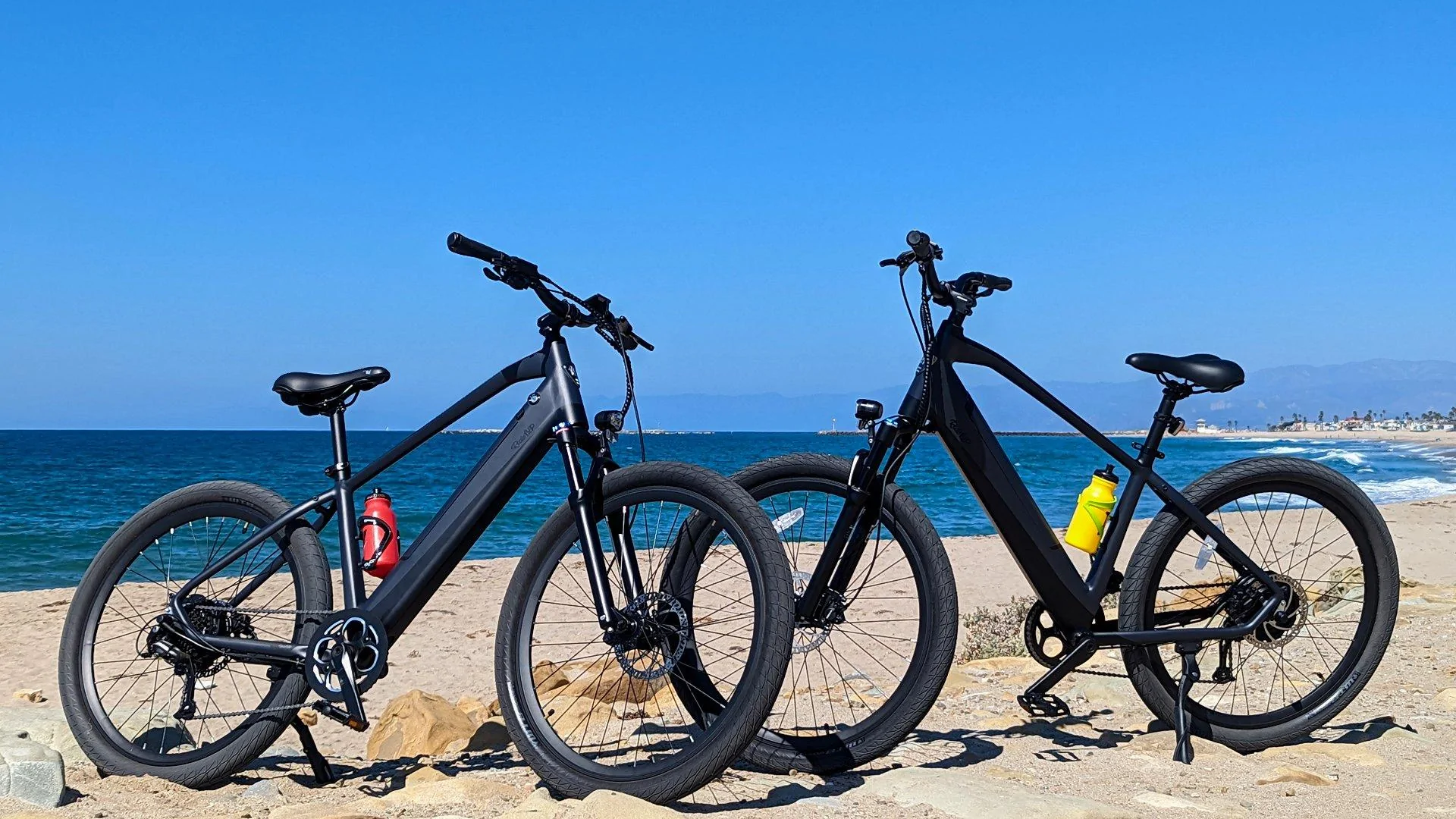
My son and I recently bought E-bikes 40miles of range with top speed of 28mph. They would be perfect for getting around those islands.

Tesla Cybertruck ABC Islands Infrastructure 2bikes
 
OP
OP
ldjessee

ldjessee

Well-known member
First Name
Lloyd
Joined
Apr 22, 2020
Threads
14
Messages
1,148
Reaction score
1,361
Location
Indiana, USA
Vehicles
Nissan Leaf, MYLR, Kaw 1700 Vaquero
Occupation
Business Intelligence Manager & Analyst
Country flag
That kinda makes it sound like they had a choice, tho they've been a colony for most of their written history.

-Crissa
Yes, they did have a choice.

Each island voted and Bonaire voted to stay a part of the Netherlands when the Netherlands Antilles was dissolved. Bonaire joined the Netherlands officially on Oct 10, 2010.

Aruba broke off first, 1986... though is still a part of the Dutch Kingdom (politics is so crazy sometimes). Aruba is supposedly a 'Devolved Parliamentary represtative democracy within a constitutional monarchy'...

Curacao became a 'Parliamentary representative democrocy within a constitutional monarchy' on Oct 10, 2010.

Before Aruba separated in 1986, you are correct, they really did not have much say.
 

Crissa

Well-known member
First Name
Crissa
Joined
Jul 8, 2020
Threads
138
Messages
19,571
Reaction score
31,475
Location
Santa Cruz
Vehicles
2014 Zero S, 2013 Mazda 3
Country flag
Yes, they did have a choice.

Each island voted and Bonaire voted to stay a part of the Netherlands when the Netherlands Antilles was dissolved. Bonaire joined the Netherlands officially on Oct 10, 2010.

Aruba broke off first, 1986... though is still a part of the Dutch Kingdom (politics is so crazy sometimes). Aruba is supposedly a 'Devolved Parliamentary represtative democracy within a constitutional monarchy'...

Curacao became a 'Parliamentary representative democrocy within a constitutional monarchy' on Oct 10, 2010.

Before Aruba separated in 1986, you are correct, they really did not have much say.
They had an option to leave, not join. The majority of their population is ethnic Dutch, so... There's not as much a sense of being ignored.

-Crissa
 

JBee

Well-known member
First Name
JB
Joined
Nov 22, 2019
Threads
18
Messages
4,913
Reaction score
6,362
Location
Australia
Vehicles
Cybertruck
Occupation
. Professional Hobbyist
Country flag
I'd assume they still have fossil use because they have BOPEC an Venezuelan oil depot on the island they can tap from? Cheapest fuel on the planet atm, so RE investment is likely to be expensive in comparison.

The biggest problem with "island grids", which I also live in, is supply intermittency. Storage helps, but the cheapest way to keep baseload operational is fuel powered generation, which is also what we have. In our case they simply cycle through a few fossil generators that run at partial load, meaning that most of the power (up to 80-90%) can come from solar and wind, but when load ramps up they just throttle up the generators, or start one or two more. The other benefit is that they don't need large storage to overcome times with no wind at night, and as such off peak times are fairly cheap to operate in as well using fuel.

It would be an ideal place to implement V2G though, in that any extra battery capacity in EV's could be used to buffer the grid, seeing they don't need all the range on a small island.


charliemagpie

Well-known member
First Name
Charlie
Joined
Jul 6, 2021
Threads
48
Messages
2,982
Reaction score
5,369
Location
Australia
Vehicles
CybrBEAST
Occupation
retired
Country flag
I haven't tried to get my head around how much storage would be needed around the world.

Once a Megapack is installed, I'm guessing it's there for 20 years ?. (at a stretch)

I just googled 'how many towns in the world?

A. 4 Million

Expect Megapak factories to spring up like mushrooms !!
 

Jhodgesatmb

Well-known member
First Name
Jack
Joined
Dec 1, 2019
Threads
89
Messages
6,487
Reaction score
9,025
Location
San Francisco Bay area
Website
www.arbor-studios.com
Vehicles
Tesla Cybertruck FS AWD, Tesla Model Y LR
Occupation
Retired AI researcher
Country flag
I have just returned from spending time on the ABC islands (Aruba, Bonaire, and Curacao). Each Island is different, but I could not get over how small these islands were, but they were buying vehicles that had hundreds of miles of range... that was a complete waste... and they were overpaying for a feature they literally could never use. Not only range, but top speed.

None of the three have what I would call a freeway, most roads are narrow. On Bonaire, there is a road that went for like 10 miles and it was one way. You just had to make a 15 mile loop if you drove past where you wanted to go... or risk going the wrong way on a road so narrow that it barely fit a minivan.

Bonaire also had wind turbines and some solar panels, but from the dozen or so windturbines (that were put in a while ago, they looked to be older and smaller designs) provided the island with 50% of their electricity, the other 50% coming from diesel generators... but they had no electric storage (battery, etc), and I saw two turbines were not spinning (curtailment). Now Bonaire is the least populated of the three, with just over 21,000 people by most estimations since 2019 census.

Aruba was interesting, it was heavily populated (120,000-150,000 people, depending on who you believed about undocumented people), but hardly had any solar and no wind turbines. I think (my opinion) was that they have an oil refinery.

Curacao had a larger population (over 150,000 residents, 15,000 refugees, plus some number of undocumented people), but had some solar, but I did not see any wind turbines (I did not travel around that whole island). It was a much more crowded feeling.

Anyway, it just shocked me how Bonaire had some electric scooters (as well as gas) for rent, but the other two islands only had gas scooters for rent. An electric scooter with 20-30 miles of range on an island that has less rain fall than Arizona seems like a great way to get around. Even better way would be ebike... where pedaling could extend range. The highest elevation is like 600ft above sea level, but those are usually concentrated into a few hills around the islands.

And, the three islands together have less sq miles than the county I live in (Monroe, Indiana). So, dry, sunny, windy locations with almost nothing more severe than a thunderstorm and those so rare that when they happened before and as I arrived, people were comparing it to a storm that hit the islands in the 1800s...

Seems like the faster they could switch off of fossil fuels, the better for their economies and condition of the islands.

Bonaire, know for its diving and reefs, has many laws in place to protect the reefs, like you cannot drop an anchor, you have to either tie up to a buoy ball or a dock. It being the smallest in population and middle size in land area, is also the cleanest of the three islands.

It is funny how these places (islands with access to lots of renewable resources) could be switched off of fossil fuels, but have not.

But, they are looking into it. There was an article in the news there about this seaweed they were going to cultivate that grows some ridiculous multiple faster than wheat, but was more nutritious. I do not read Spanish, Dutch, nor Papiamento, so I was not really able to follow it from the local news.

Anyway, on all the islands, they have pickup trucks and they all burn diesel or gas. They could really use a 100-200 mile range pickup truck there that could charge off of 110 or 220.

Cybertruck would be overkill, except... they have LOTS of cactus and trees and bushes with large, sharp thorns. Had several people warn us about watching where you were stepping, 3 inches and they would go right thru a shoe or flipflop... and many trucks are all scratched up from these. Stainless steel would be an advantage there.

4 wheel steering would help greatly with some of the narrow and tight streets.

Just wanted to share my experiences and how I think it relates to electrical vehicles and the Cybertruck.
Was the diving great?
 

JBee

Well-known member
First Name
JB
Joined
Nov 22, 2019
Threads
18
Messages
4,913
Reaction score
6,362
Location
Australia
Vehicles
Cybertruck
Occupation
. Professional Hobbyist
Country flag
I haven't tried to get my head around how much storage would be needed around the world.

Once a Megapack is installed, I'm guessing it's there for 20 years ?. (at a stretch)

I just googled 'how many towns in the world?

A. 4 Million

Expect Megapak factories to spring up like mushrooms !!
The idea is not to double up on storage. The worst ROI is an asset that is only used intermittently, so having a bunch of Megapacks sitting around on decaying power grid network infrastructure that is incapable of supporting the transition to EV, is probably the lese efficient way to implement storage. Much better to use the EV's themselves as storage as an embedded solution, and be able to move that storage from charging from solar during the day at work, to supplying power at home at night. You cut down on the storage, and you reduce the network load at work and home.

This island case would be a prime example for using V2G/V2X. No megapacks required, and no power line upgrades either to make them work.
 

charliemagpie

Well-known member
First Name
Charlie
Joined
Jul 6, 2021
Threads
48
Messages
2,982
Reaction score
5,369
Location
Australia
Vehicles
CybrBEAST
Occupation
retired
Country flag
The idea is not to double up on storage. The worst ROI is an asset that is only used intermittently, so having a bunch of Megapacks sitting around on decaying power grid network infrastructure that is incapable of supporting the transition to EV, is probably the lese efficient way to implement storage. Much better to use the EV's themselves as storage as an embedded solution, and be able to move that storage from charging from solar during the day at work, to supplying power at home at night. You cut down on the storage, and you reduce the network load at work and home.

This island case would be a prime example for using V2G/V2X. No megapacks required, and no power line upgrades either to make them work.
Maybe in 50 years or whatever, when the EV rollout is complete, and enough of them come with V2G.

Akin to raising funds using volunteers Vs professionals. Lucky if the former turns up!

Scaling Megapack and renewables to service specific numbers is the way to go.
Sponsored


Top