
HaulingAss
Well-known member
- Joined
- Oct 3, 2020
- Threads
- 28
- Messages
- 10,337
- Reaction score
- 20,763
- Location
- Western Washington, USA
- Vehicles
- Cybertruck DM, 2010 F-150, 2018 Performance Model 3, 2024 Performance Model 3

Locking differentials will make very little difference in deep sand. Locking differentials are worlds better than open differentials on uneven ground because a lifted wheel can absorb no torque, causing no torque to go to the opposite wheel. In deep sand, however, in most instances, both wheels on each axle will be able to absorb roughly the same amount amount of torque so the locking differential is not doing much work. Yes, better than an open differential, but I have seen plenty of rigs with locking differentials left incapacitated, up to their axles in fine, dry sand.The licking diffs is the one software update that I am most looking forward to.
Sand may all look the same, like sand, but it varies widely in regard to how much weight it can support. It's mostly due to the size of the grains (coarser is better), the angularity of the grains (more angular is better) and the moisture content (higher moisture is better until saturation is reached). The worst sand is dry, fine sand that has been polished into smooth dust. Wind can deposit the finer sand in depressions, and this is where many get stuck, but it can also deposit in non-intuitive places too.
How capable a given vehicle setup is in sand is primarily a function of how much weight per square inch the sand can support relative to the load per unit area of the vehicle's contact patches. That means a tire with a larger footprint can be mobile in finer sand. A lighter vehicle, with the same sized tires, is more mobile in finer sand. Also, a nearly worn out tread is better than a new tread. That's right, the tread blocks assist the tire in digging in, a slick will evenly compact the grains and give you a better chance of staying on top.
Anyone buying a Cybertruck primarily for duty in dry sand should use the widest possible tires without deep, aggressive tread blocks and, obviously, avoid unnecessary weight in the vehicle. This will greatly increase the range of the vehicle in fine, dry sand by preventing the vehicle from sinking in as much. Of course, wider tires will have a negative impact on range on hard surfaces.
Also, a tire construction specifically designed to be aired down will be beneficial. This type of tire often has a very low maximum speed rating, it's more of an agricultural type tire. I believed the All-Terrain tires that come on the Foundation Series have a higher speed construction that is not designed to run very-low pressures, the sidewalls are reinforced to not deform much under high cornering and acceleration forces and pressures too low will cause repetitive fatigue failure of the tire structure, ruining them. Airing down moderately will help quite a bit in dry sand, by allowing the face of the tread to "cup" which assists in creating a solid foundation of sand under the tires. You definitely don't want the 50-65 psi cold recommended on the pavement, but don't get lazy and fail to air back up as soon as you don't need the low pressures. This kind of tire, designed for hard, relatively smooth surfaces, can be ruined (lose their good driving characteristics and become much weaker and more susceptible to flats) surprisingly quickly by driving with too low of pressures, especially at highway speeds, due to fatigue from repeated flexing of the fibers comprising the reinforcement, combined with the heat generated from the excessive flexing. More sidewall reinforcement will generate more heat as it flexes repeatedly.
Sponsored

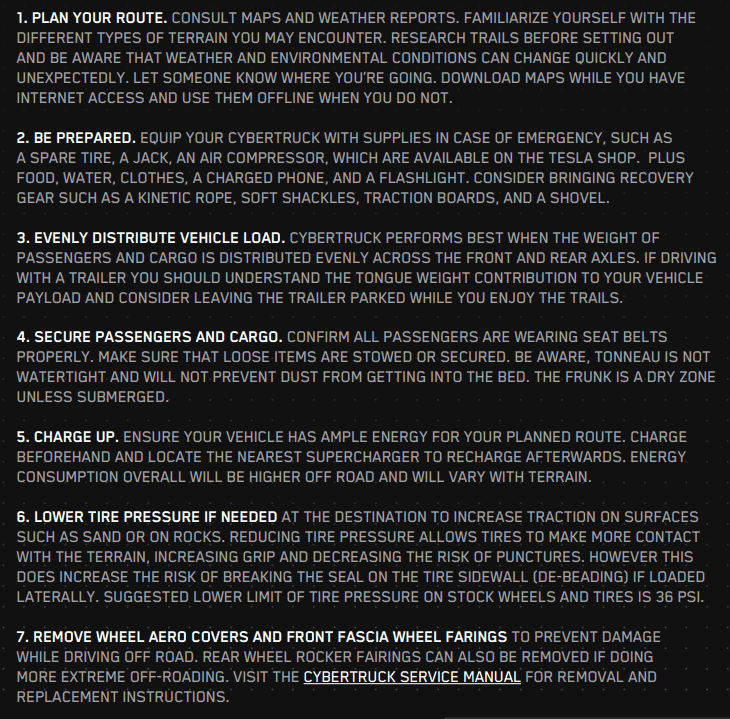
 . If I pull the trigger, I will get 17 or 18 inch wheels, and replace the tires with something with softer sidewalls. I've run Wildpeaks AT3s on my past few Jeeps, if they would work I will get them, they are a great tire for both highway and beach. Definitely go down to 15, no reason not to if you are airing down might as well do it right, just a few minutes extra time airing back up.


