
Sponsored

What do you use for hard water spots removal?

OP
OP

WhTsup

Active member
Joined
Aug 19, 2024
Threads
2
Messages
41
Reaction score
6
Location
TX
Vehicles
Cyberbeast
Country flag
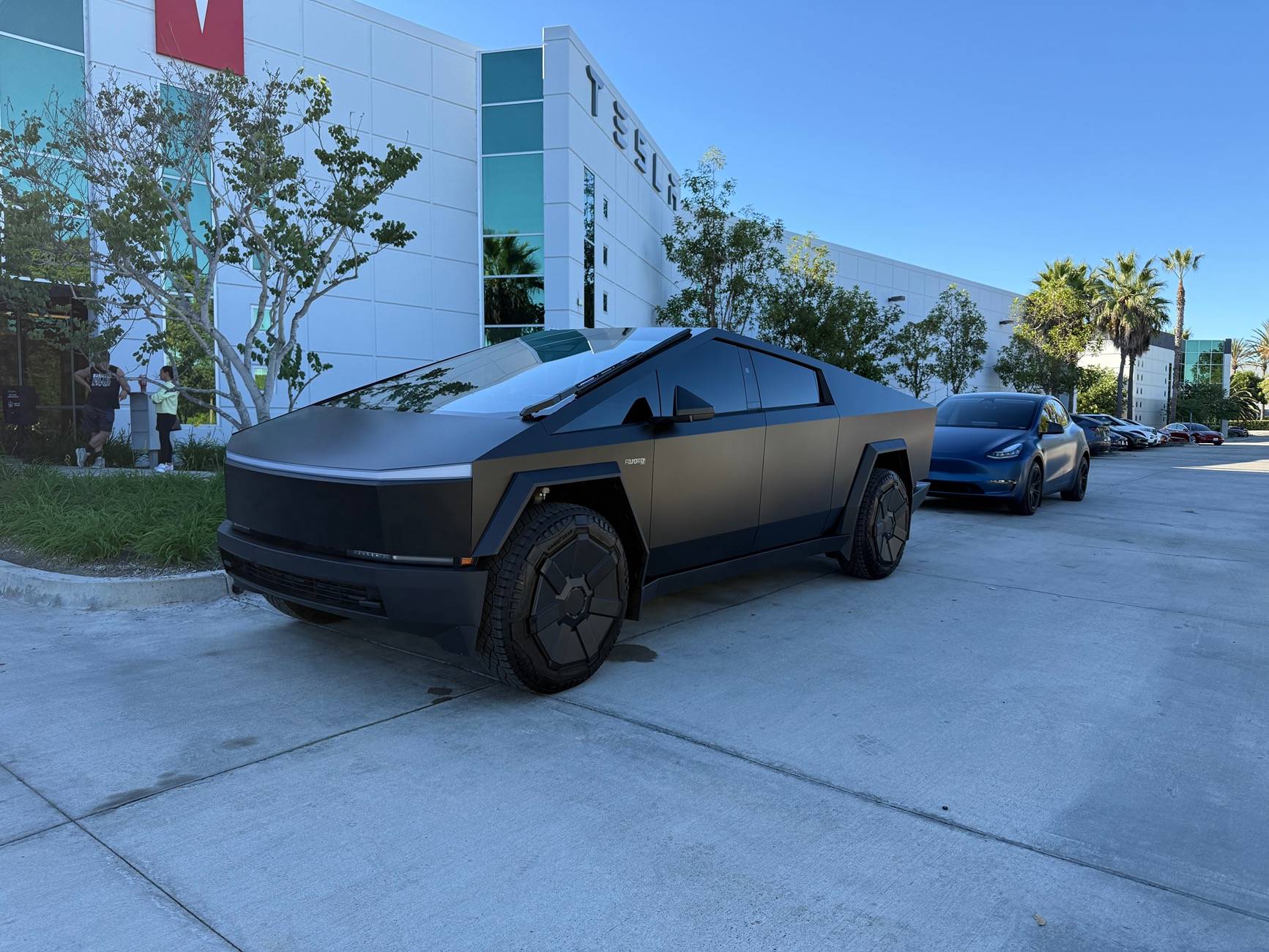
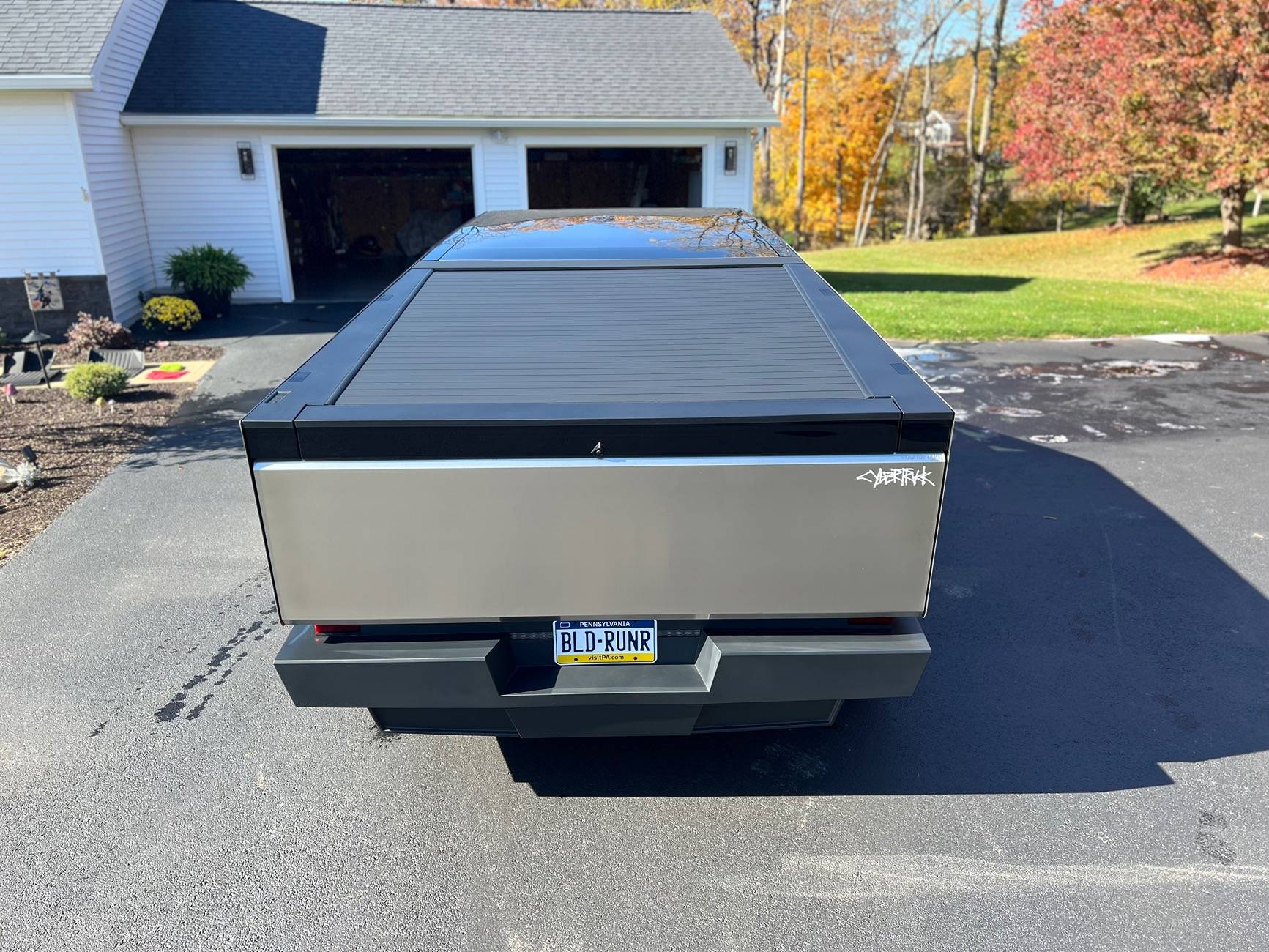
I figured out the perfect solution for hard water spots!!!

New PPF color from Tesla called Cyber-black!

picked her up yesterday. Love it!

IMG_1262.jpeg
I talked with an installer and removal of the material is a pain. It will leave residue all over the vehicle and fresh install will be 2x $$$. After cleaning the vehicle once, I'm not convinced PPF is the best option. Cleaning the vehicle is not that bad at all. Purely from cleaning perspective, I do not think PPF is a such great deal. Changing color is different story.
Sponsored


Guylouis

Well-known member
First Name
Guy
Joined
Dec 18, 2023
Threads
14
Messages
678
Reaction score
1,064
Location
San Diego
Vehicles
F.S. CyberBeast, XP, YP, 3P
Country flag
I talked with an installer and removal of the material is a pain. It will leave residue all over the vehicle and fresh install will be 2x $$$. After cleaning the vehicle once, I'm not convinced PPF is the best option. Cleaning the vehicle is not that bad at all. Purely from cleaning perspective, I do not think PPF is a such great deal. Changing color is different story.
Luckily I did it through Tesla and it comes with five-year warranty. I don’t plan on keeping the truck more than three years lol
 

CGIIRL

Well-known member
First Name
Troy
Joined
Dec 26, 2023
Threads
6
Messages
72
Reaction score
89
Location
Illinois
Vehicles
Cybertruck Founder Cyberbeast , 3 Performance
Occupation
Sales
Country flag

CT user

Member
First Name
Alex
Joined
Feb 6, 2025
Threads
0
Messages
5
Reaction score
0
Location
California
Vehicles
CT and model 3
Country flag
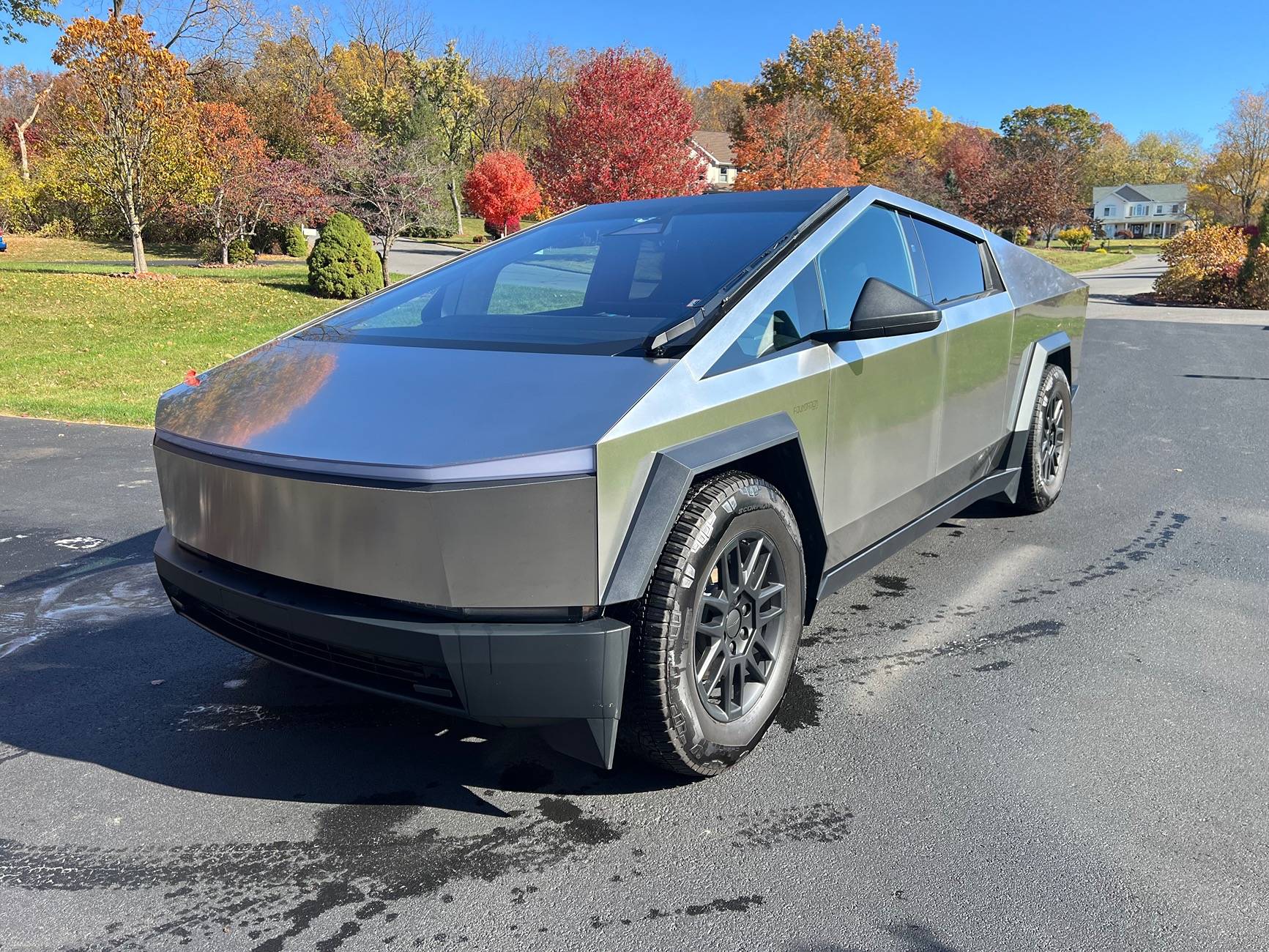
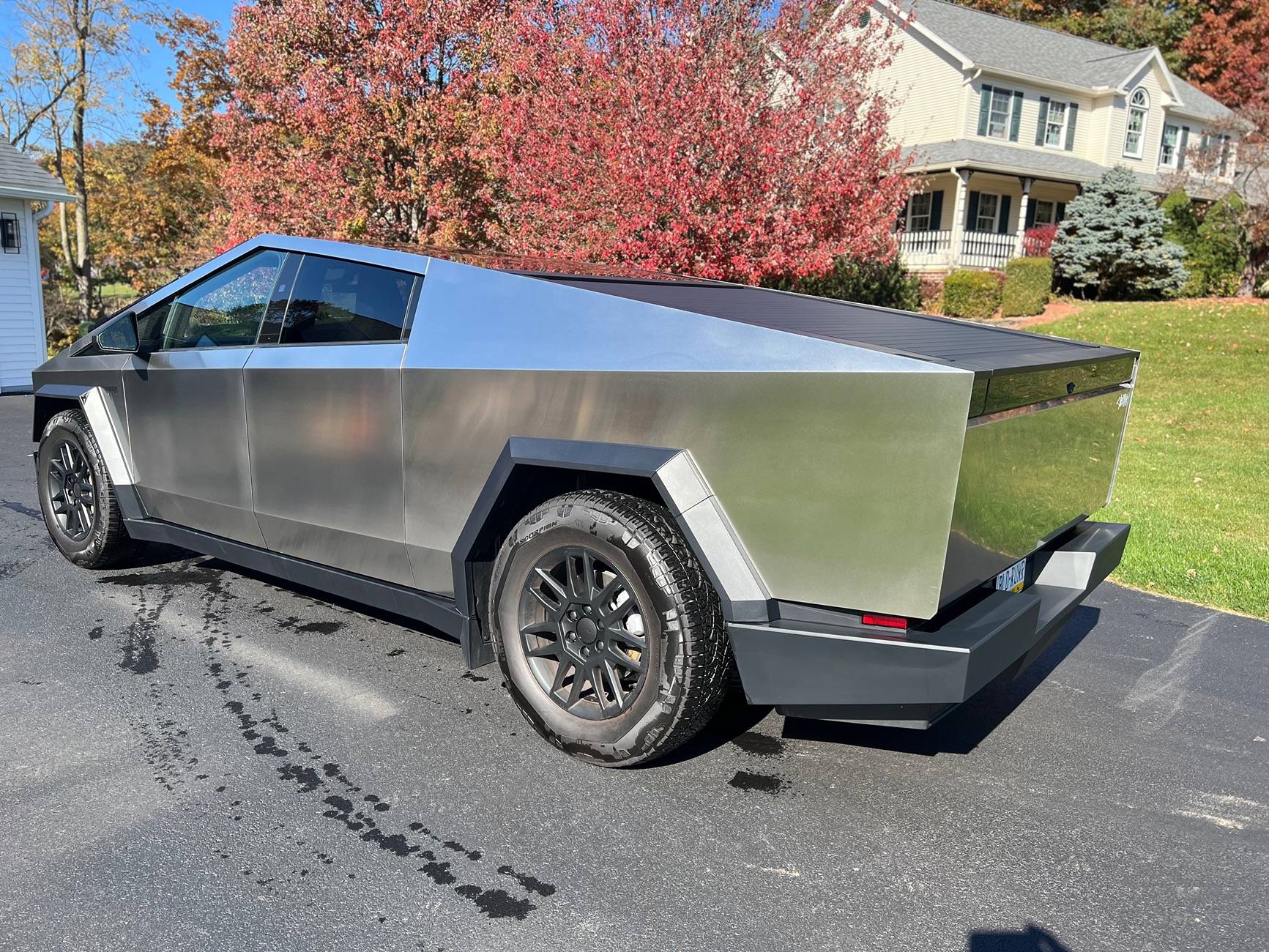
I tried Maguair’s soap which I had used on all of my previous Teslas. Was not happy with how the cybertruck looked. So I bought a container of the Cybersudz.

I used a foam cannon, then wiped with a soft mitt, then sprayed with a high-pressure hose. I’m extremely pleased with the results. The stainless steel is very clean, and seems to actually have a shine to it. see pictures. (I also use Sprayway for spot removal).

Highly recommend the Cybersudz. It’s a bit pricey, but I’m pretty sure I can get almost 10 washes with the foam cannon per container so really not too pricey.
IMG_3986.jpeg
IMG_3985.jpeg
IMG_3984.jpeg
Did any one else try this cybersudz? I'm curious and want to try the waterless spray!


CT user

Member
First Name
Alex
Joined
Feb 6, 2025
Threads
0
Messages
5
Reaction score
0
Location
California
Vehicles
CT and model 3
Country flag
Denatured alcohol
I don't know Frank I think alcohol is harsh on the truck and when I asked AI this is what I got:

Denatured alcohol can have several side effects when used on the stainless steel exterior body of a Cybertruck:

Immediate Effects
1. Streaks and residue: Denatured alcohol can leave behind streaks and residue on the stainless steel surface, which may be difficult to remove.
2. Dulling of finish: The solvent properties of denatured alcohol can dull the finish of the stainless steel, making it appear less shiny or reflective.
3. Removal of wax or coatings: Denatured alcohol can strip away any wax or protective coatings on the stainless steel surface, leaving it vulnerable to corrosion.

Long-term Effects
1. Corrosion: Denatured alcohol can react with the stainless steel, potentially leading to corrosion or the formation of rust.
2. Pitting or etching: The acidity in denatured alcohol can cause pitting or etching on the stainless steel surface, creating small holes or marks.
3. Damage to surrounding materials: Denatured alcohol can damage or discolor surrounding materials, such as plastics, rubbers, or paints.

Safety Precautions
1. Avoid using denatured alcohol: Unless absolutely necessary, avoid using denatured alcohol on the Cybertruck's stainless steel exterior body.
 

CT user

Member
First Name
Alex
Joined
Feb 6, 2025
Threads
0
Messages
5
Reaction score
0
Location
California
Vehicles
CT and model 3
Country flag
I don't know Frank I think alcohol is harsh on the truck and when I asked AI this is what I got:

Denatured alcohol can have several side effects when used on the stainless steel exterior body of a Cybertruck:

Immediate Effects
1. Streaks and residue: Denatured alcohol can leave behind streaks and residue on the stainless steel surface, which may be difficult to remove.
2. Dulling of finish: The solvent properties of denatured alcohol can dull the finish of the stainless steel, making it appear less shiny or reflective.
3. Removal of wax or coatings: Denatured alcohol can strip away any wax or protective coatings on the stainless steel surface, leaving it vulnerable to corrosion.

Long-term Effects
1. Corrosion: Denatured alcohol can react with the stainless steel, potentially leading to corrosion or the formation of rust.
2. Pitting or etching: The acidity in denatured alcohol can cause pitting or etching on the stainless steel surface, creating small holes or marks.
3. Damage to surrounding materials: Denatured alcohol can damage or discolor surrounding materials, such as plastics, rubbers, or paints.

Safety Precautions
1. Avoid using denatured alcohol: Unless absolutely necessary, avoid using denatured alcohol on the Cybertruck's stainless steel exterior body.
And this from Grok
  • Risk of Corrosion if Not Rinsed Properly: Although denatured alcohol is generally less corrosive to metals like stainless steel, it must be rinsed off promptly. If left on the surface, especially under certain environmental conditions, it could potentially lead to corrosion over time.
  • Potential Damage to Protective Layers: While stainless steel is known for its durability, the Cybertruck's exterior does not have a clear coat, meaning any chemical interaction is directly with the metal. If denatured alcohol is not used correctly (e.g., left on too long), it might affect the metal's surface, possibly leading to discoloration or affecting the reflective properties of the steel over time.
  • Abrasiveness Over Time: According to some user experiences and discussions, repeatedly using harsh chemicals like denatured alcohol might contribute to very gradual wear on the metal, especially if used aggressively or without following up with proper care like washing and drying
 

rlhamil

Well-known member
First Name
Richard
Joined
Apr 1, 2020
Threads
6
Messages
553
Reaction score
603
Location
Glen Burnie, Maryland
Vehicles
2002 Trans Am WS6, 2018 Kia Sportage, 2024 Cyberbeast FS
Occupation
retired
Country flag
Citrisurf is probably good, but IMO it's expensive.

It's roughly 10-15% citric acid by weight, the rest unlisted but probably mostly water.

Pure citric acid powder is relatively cheap. If you use distilled water (no sense killing some of the citric acid with water that has minerals in it), you should be able to figure out the weights easily enough. Use metric, where one liter of water weighs 1 kg, and convert the weight of the citric acid to metric too, and you can figure out a reasonable starting ratio.

Mix well, so there's no powder left.

I haven't tried it, but I don't see why it wouldn't work about as well. Maybe add a small squirt of Dawn or something like that, to help it spread. Try that in very small amount first to make sure it doesn't react (foam up).

I found 2 lb bags of citric acid powder for under $9; and distilled water is $1.37 or so per gallon at Walmart. A spray bottle is a couple of bucks. So you could probably make 5 gallons for about $25 or so. Contrast that to around $200 (bit higher or lower depending on whether it's plus or not) for 5 gallons of Citrisurf.

https://www.amazon.com/Spicy-World-Grade-Citric-Pound/dp/B00K2814ZK/

Wear gloves, and if you might splash, eye protection. (also with the commercial product)
 

CT user

Member
First Name
Alex
Joined
Feb 6, 2025
Threads
0
Messages
5
Reaction score
0
Location
California
Vehicles
CT and model 3
Country flag
Citrisurf is probably good, but IMO it's expensive.

It's roughly 10-15% citric acid by weight, the rest unlisted but probably mostly water.

Pure citric acid powder is relatively cheap. If you use distilled water (no sense killing some of the citric acid with water that has minerals in it), you should be able to figure out the weights easily enough. Use metric, where one liter of water weighs 1 kg, and convert the weight of the citric acid to metric too, and you can figure out a reasonable starting ratio.

Mix well, so there's no powder left.

I haven't tried it, but I don't see why it wouldn't work about as well. Maybe add a small squirt of Dawn or something like that, to help it spread. Try that in very small amount first to make sure it doesn't react (foam up).

I found 2 lb bags of citric acid powder for under $9; and distilled water is $1.37 or so per gallon at Walmart. A spray bottle is a couple of bucks. So you could probably make 5 gallons for about $25 or so. Contrast that to around $200 (bit higher or lower depending on whether it's plus or not) for 5 gallons of Citrisurf.

https://www.amazon.com/Spicy-World-Grade-Citric-Pound/dp/B00K2814ZK/

Wear gloves, and if you might splash, eye protection. (also with the commercial product)
Hey Richard,

Thanks so much for sharing your thoughts on Citrisurf and the idea of a DIY citric acid and distilled water solution! I really appreciate the cost breakdown you provided—it definitely makes the case for a budget-friendly alternative. That said, I came across a review on Amazon for Citrisurf that gave me a bit of pause. Marlyn Y. mentioned:
"This was recommended by Tesla to remove stubborn stains from the stainless-steel panels of the Cybertruck. I followed the instructions, but it didn’t help with the stains at all. Worse, it left new stains that I couldn’t remove without abrasive cleaning."

It’s a bummer to hear that, and it got me thinking about your DIY solution. While it sounds like a cost-effective option, I wanted to dig a little deeper into the pH levels and any potential risks, especially when it comes to the Cybertruck’s stainless steel body. Here’s what I found:

A Quick Look at pH and Stainless Steel
  • A 10-15% citric acid solution usually has a pH between 2 and 3, which is pretty acidic.
  • Stainless steel is tough and corrosion-resistant, but if it’s exposed to acidic solutions for too long, the protective oxide layer can start to break down. This could lead to staining or a dull finish over time.

Possible Risks of Acidic Exposure
  • Surface Discoloration & Etching: If the solution isn’t rinsed off properly, it might leave uneven discoloration or even etch the surface.
  • More Fingerprints: A weakened protective layer could make the steel more prone to smudges and fingerprints (and let’s be honest, the Cybertruck already attracts enough of those!).
  • Pitting Over Time: Citric acid is gentler than harsher acids, but repeated use without proper neutralization could increase the risk of pitting corrosion down the line.

I’m all for saving money, but I’d hate to risk the Cybertruck’s sleek finish. Maybe a neutral pH stainless steel cleaner could be a safer bet for keeping it looking sharp without the potential downsides. What do you think? I’d love to hear if you’ve got any other recommendations or ideas!
Tesla Cybertruck What do you use for hard water spots removal? {filename}
 

rlhamil

Well-known member
First Name
Richard
Joined
Apr 1, 2020
Threads
6
Messages
553
Reaction score
603
Location
Glen Burnie, Maryland
Vehicles
2002 Trans Am WS6, 2018 Kia Sportage, 2024 Cyberbeast FS
Occupation
retired
Country flag
Hey Richard,

Thanks so much for sharing your thoughts on Citrisurf and the idea of a DIY citric acid and distilled water solution! I really appreciate the cost breakdown you provided—it definitely makes the case for a budget-friendly alternative. That said, I came across a review on Amazon for Citrisurf that gave me a bit of pause. Marlyn Y. mentioned:
"This was recommended by Tesla to remove stubborn stains from the stainless-steel panels of the Cybertruck. I followed the instructions, but it didn’t help with the stains at all. Worse, it left new stains that I couldn’t remove without abrasive cleaning."

It’s a bummer to hear that, and it got me thinking about your DIY solution. While it sounds like a cost-effective option, I wanted to dig a little deeper into the pH levels and any potential risks, especially when it comes to the Cybertruck’s stainless steel body. Here’s what I found:

A Quick Look at pH and Stainless Steel
  • A 10-15% citric acid solution usually has a pH between 2 and 3, which is pretty acidic.
  • Stainless steel is tough and corrosion-resistant, but if it’s exposed to acidic solutions for too long, the protective oxide layer can start to break down. This could lead to staining or a dull finish over time.

Possible Risks of Acidic Exposure
  • Surface Discoloration & Etching: If the solution isn’t rinsed off properly, it might leave uneven discoloration or even etch the surface.
  • More Fingerprints: A weakened protective layer could make the steel more prone to smudges and fingerprints (and let’s be honest, the Cybertruck already attracts enough of those!).
  • Pitting Over Time: Citric acid is gentler than harsher acids, but repeated use without proper neutralization could increase the risk of pitting corrosion down the line.

I’m all for saving money, but I’d hate to risk the Cybertruck’s sleek finish. Maybe a neutral pH stainless steel cleaner could be a safer bet for keeping it looking sharp without the potential downsides. What do you think? I’d love to hear if you’ve got any other recommendations or ideas!
Tesla Cybertruck What do you use for hard water spots removal? {filename}
Neutral won't remove mineral deposits (calcium mostly) nor iron dust deposits (from brake rotors, railways, etc). CLR uses lactic acid and gluconic acid; vinegar removes water spots from glass because it contains acetic acid, etc. Barkeeper's Friend (both the abrasive powder, the less abrasive thick liquid, and the nonabrasive spray) all use oxalic acid.

Tesla's instructions - note maximum time to leave on of 3 minutes; you can always reduce that:

https://service.tesla.com/docs/Publ...UID-E37F1326-EB87-4D02-9007-7034DB54C604.html

Among the last steps are rinse thoroughly. Don't skip the early steps either - wash first, that gets anything that will come off easily out of the way, and keeps dirt from holding your acid solution on.

If you really wanted to neutralize it, another spray bottle with 1.3 times the amount by weight of baking soda compared to the amount by weight in your citric acid spray applied when you wanted to stop the citric acid would do the job...but you'd still need to rinse after that. Neutralizing might make sense if there was any white residue left on textured plastic, but IMO it's probably a waste of effort elsewhere.

Citric acid for cleaning stainless steel seems very common; a lot of it is sold for that purpose. Aside from a thorough rinse afterward, you can vary the time it's on, and the strength of the solution. But I wouldn't reduce the strength much, not by half, say maybe 10% down to 7% or something.

Do small sections at a time rather than large areas, maybe a single panel at a time, which would tend to make any temporary brightening less obvious. But more important, that would prevent you from leaving it on too long.

From what I've read, citric acid used correctly also passivates the stainless steel, (re-)establishing a layer of oxide of the metals in the alloy other than iron; which to some degree happens anyway in time, but some sources suggest doing that to most stainless steel at least once a year even if there's no mineral spots to remove. And what happens with weather (including slightly acid rain) will be less consistent than what you do carefully yourself.

Again, I have not tried any of this, I don't move around all that easily anymore to try to make something the size of a CT consistently spotless. I do see a hint of water spots on the hood (where it's more noticeable), that's not huge so I might try what works on that. I don't have citric acid at the moment, but I may have some reasonable substitutes like high strength white vinegar or ascorbic acid powder.


MeadowShade

Well-known member
First Name
Fred
Joined
Jan 29, 2024
Threads
7
Messages
362
Reaction score
367
Location
VA
Vehicles
Bike
Country flag
I don't know Frank I think alcohol is harsh on the truck and when I asked AI this is what I got:

Denatured alcohol can have several side effects when used on the stainless steel exterior body of a Cybertruck:

Immediate Effects
1. Streaks and residue: Denatured alcohol can leave behind streaks and residue on the stainless steel surface, which may be difficult to remove.
2. Dulling of finish: The solvent properties of denatured alcohol can dull the finish of the stainless steel, making it appear less shiny or reflective.
3. Removal of wax or coatings: Denatured alcohol can strip away any wax or protective coatings on the stainless steel surface, leaving it vulnerable to corrosion.

Long-term Effects
1. Corrosion: Denatured alcohol can react with the stainless steel, potentially leading to corrosion or the formation of rust.
2. Pitting or etching: The acidity in denatured alcohol can cause pitting or etching on the stainless steel surface, creating small holes or marks.
3. Damage to surrounding materials: Denatured alcohol can damage or discolor surrounding materials, such as plastics, rubbers, or paints.

Safety Precautions
1. Avoid using denatured alcohol: Unless absolutely necessary, avoid using denatured alcohol on the Cybertruck's stainless steel exterior body.
The Richmond VA SC told me about Denatured Alcohol and I have some in my wood working shop. I have done the whole truck only once. It takes it down to the metal it does .... water marks ... everything gone and it looks new.
To be honest, I am NOT a clean freak. I think it looks good a little dirty. One other thing to remember, stainless steel is not a single formula. Magnets stick to this CT Stainless Steel. Maybe it is the steel subframe of the panels but magnets stick. It is NOT the same as countertops in kitchens or kitchen appliances.
For me, it does way better than Windex as far as streaking.
 

rlhamil

Well-known member
First Name
Richard
Joined
Apr 1, 2020
Threads
6
Messages
553
Reaction score
603
Location
Glen Burnie, Maryland
Vehicles
2002 Trans Am WS6, 2018 Kia Sportage, 2024 Cyberbeast FS
Occupation
retired
Country flag
I'd wonder about denatured alcohol, which is in theory ethanol with something unpleasant and toxic added so it can't be consumed. Oddly enough, bay rum aftershave could use otherwise non-denatured ethanol insofar as bay tree (different from "bay leaf" aka laurel) oil is toxic and considered a denaturant, although it smells good. (Caribbean cooking may use bay tree leaves in small quantities, but the amount of oil in them is negligible.)

Insofar as there's something added to the ethanol in denatured alcohol, it could leave a residue, which is what I'd wonder about. Darn rare that they tell you what the actual denaturant(s) is/are so that it you look up how that might affect the behavior.

Everclear would not have that problem, but that's expensive because of the alcohol tax. High purity and even very high strength ethanol for lab use exists, but it's very hard to buy because it's not subject to the alcohol tax. It's also problematic because near 100%, it will evaporate VERY fast.

I would NOT use methanol (a different kind of alcohol) which is toxic, bad on your skin, and could conceivably damage stainless steel.

Isopropyl alcohol (rubbing alcohol, but with no wintergreen or anything else, just isopropyl alcohol and water) should be ok, although rinsing afterward would not be a bad idea.

Apparently alcohol (ethanol or isopropyl) can dissolve very mild water (mineral) stains. Heavier ones are still likely to require a mild acid.

PS for streak free (but not necessarily water spots), turns out there are different varieties of Sprayway glass cleaner. They're all pretty good, but the foaming one is perhaps not the best, nor the scented ones. There's one that does NOT say it's foaming or scented, but DOES say "leaves no film". That's the one that might be used on non-coated optics (water alone probably best on coated glass because you never know what the coating might be sensitive to) when it's important to leave no residue. I recall that because where I worked tended to order that for glass cleaner. They generally ordered quality products, except that they eventually banned Spray 9 (very effective pump spray general purpose cleaner/disinfectant) because it was irritating; yeah, you wanted to use gloves and might want a mask. All the substitutes were eco-something, which is fine if they're as effective, but they weren't. (Spray 9 is not recommended on glass, and you'd definitely want to rinse it off on stainless steel or plastic. It won't remove water spots but might remove iron dust spotting.)
 

M0unt41nm4n

Well-known member
Joined
Jan 23, 2024
Threads
20
Messages
1,236
Reaction score
2,137
Location
Durango, CO and Moab, UT
Vehicles
23 Ford F350 Plat, 22 F150 Plat, 20 Jeep Gladiator, CT-AWD
Country flag
Hey Richard,

Thanks so much for sharing your thoughts on Citrisurf and the idea of a DIY citric acid and distilled water solution! I really appreciate the cost breakdown you provided—it definitely makes the case for a budget-friendly alternative. That said, I came across a review on Amazon for Citrisurf that gave me a bit of pause. Marlyn Y. mentioned:
"This was recommended by Tesla to remove stubborn stains from the stainless-steel panels of the Cybertruck. I followed the instructions, but it didn’t help with the stains at all. Worse, it left new stains that I couldn’t remove without abrasive cleaning."

It’s a bummer to hear that, and it got me thinking about your DIY solution. While it sounds like a cost-effective option, I wanted to dig a little deeper into the pH levels and any potential risks, especially when it comes to the Cybertruck’s stainless steel body. Here’s what I found:

A Quick Look at pH and Stainless Steel
  • A 10-15% citric acid solution usually has a pH between 2 and 3, which is pretty acidic.
  • Stainless steel is tough and corrosion-resistant, but if it’s exposed to acidic solutions for too long, the protective oxide layer can start to break down. This could lead to staining or a dull finish over time.

Possible Risks of Acidic Exposure
  • Surface Discoloration & Etching: If the solution isn’t rinsed off properly, it might leave uneven discoloration or even etch the surface.
  • More Fingerprints: A weakened protective layer could make the steel more prone to smudges and fingerprints (and let’s be honest, the Cybertruck already attracts enough of those!).
  • Pitting Over Time: Citric acid is gentler than harsher acids, but repeated use without proper neutralization could increase the risk of pitting corrosion down the line.

I’m all for saving money, but I’d hate to risk the Cybertruck’s sleek finish. Maybe a neutral pH stainless steel cleaner could be a safer bet for keeping it looking sharp without the potential downsides. What do you think? I’d love to hear if you’ve got any other recommendations or ideas!
Tesla Cybertruck What do you use for hard water spots removal? {filename}
I did some fairly long posts on DIY citrisurf with citric acid along with posts about citric acid and passivation in another thread. I suggest that you read it. Citric acid is the best thing that you can do for stainless steel to give it a solid exterior. There are a lot of articles on the net by stainless steel manufacturers and companies that use stainless steel that discuss the reason they use citric acid to clean thier products.

As for folks who complain it doesn’t work.. 99% of them don’t follow the directions. I also suggest that you read how to utilize it as it needs to be on your truck for 15-30 minutes and remain wet, before wiping and rinsing it off.
 

rlhamil

Well-known member
First Name
Richard
Joined
Apr 1, 2020
Threads
6
Messages
553
Reaction score
603
Location
Glen Burnie, Maryland
Vehicles
2002 Trans Am WS6, 2018 Kia Sportage, 2024 Cyberbeast FS
Occupation
retired
Country flag
Guys I'm confused now :cry:
Water spots are usually calcium or magnesium minerals, that are carried by water but once deposited, may not dissolve with just water. A mild acid will remove them; dilute (10-15%) citric acid is a top choice for stainless steel. The only open questions are what strength and how long to leave it on without changing the color (which is less of a problem if you do a whole panel at a time without dripping onto another panel). A citric acid treatment tends to be a GOOD thing, it brings up a very thin layer of the non-iron components of the stainless steel alloy, which will be protective ("passivating"). Some have said that even fingerprint resistance is a bit better after passivating.

Water spots COULD occasionally be acid rain, likelier if you live near a coal power plant. The usual acids in acid rain are VERY dilute sulfuric or nitric acid. That would likely have a very slight etching effect rather than being a whitish mineral water spot. You're not likely to be able to remove that, short of a very careful (to minimally or not at all change the finish) buffing out.

There can also be iron dust spots (NOT rusting of the stainless steel), typically from brake rotors or railways. For those, Tesla recommends 3 minutes with Citrisurf 77 (there are other formulas; the MSDS for Citrisurf 77 simply says less than 15% citric acid by weight) followed by a BLUE (only!) Scotch-Brite pad.
https://service.tesla.com/docs/Publ...UID-E37F1326-EB87-4D02-9007-7034DB54C604.html

They don't appear to have specific advice for water spots on stainless steel. Other sources suggest it could take as long as 15 to 30 minutes at room temperature to remove them. Obviously start short (like 3-5 minutes) and if that doesn't work, repeat for longer.

One acid that should be avoided with stainless steel is hydrochloric (muriatic) acid. Presumably hydrofluoric acid would be even worse (it's super nasty), but since it's not widely available, I wouldn't worry about that.

It's not complicated, but it's not just push a button and forget about it. :)
Sponsored


Top