cyberjeff25
Well-known member
- First Name
- jeffrey
- Joined
- Sep 3, 2024
- Threads
- 5
- Messages
- 186
- Reaction score
- 284
- Location
- temecula california
- Vehicles
- cyberbeast
- Occupation
- registerd investment advisor

- Thread starter
- #1
In the past I could only set the charging amp to 40. No issues. But it seems with the last update the charging amp max. Moved to 48 amps?
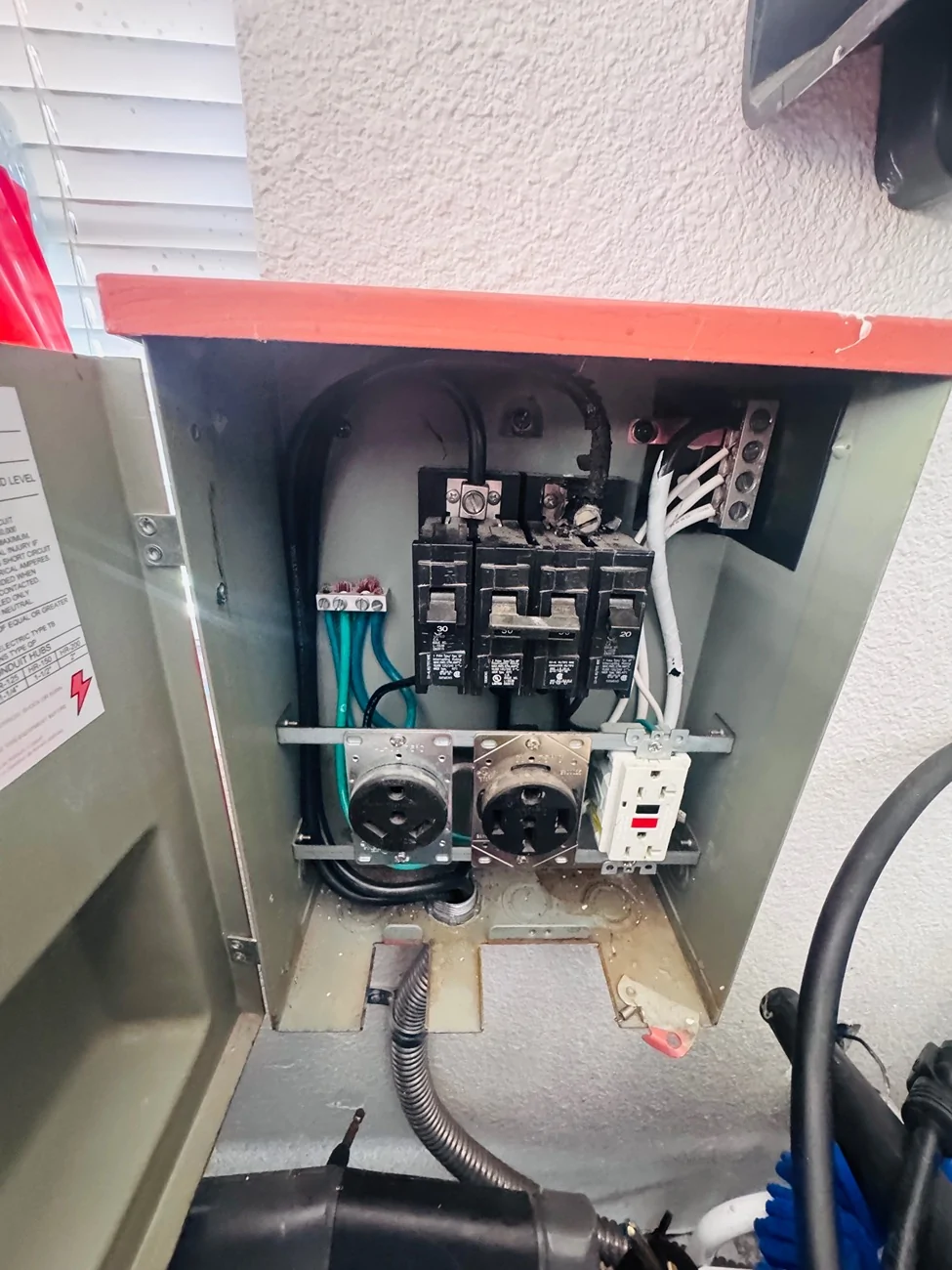
I have a RV panel with a 50,30 and 20 amp receptacle - with - breaker for each - never had a problem charging at 40 amps but usually at the charge level to 35 amps.
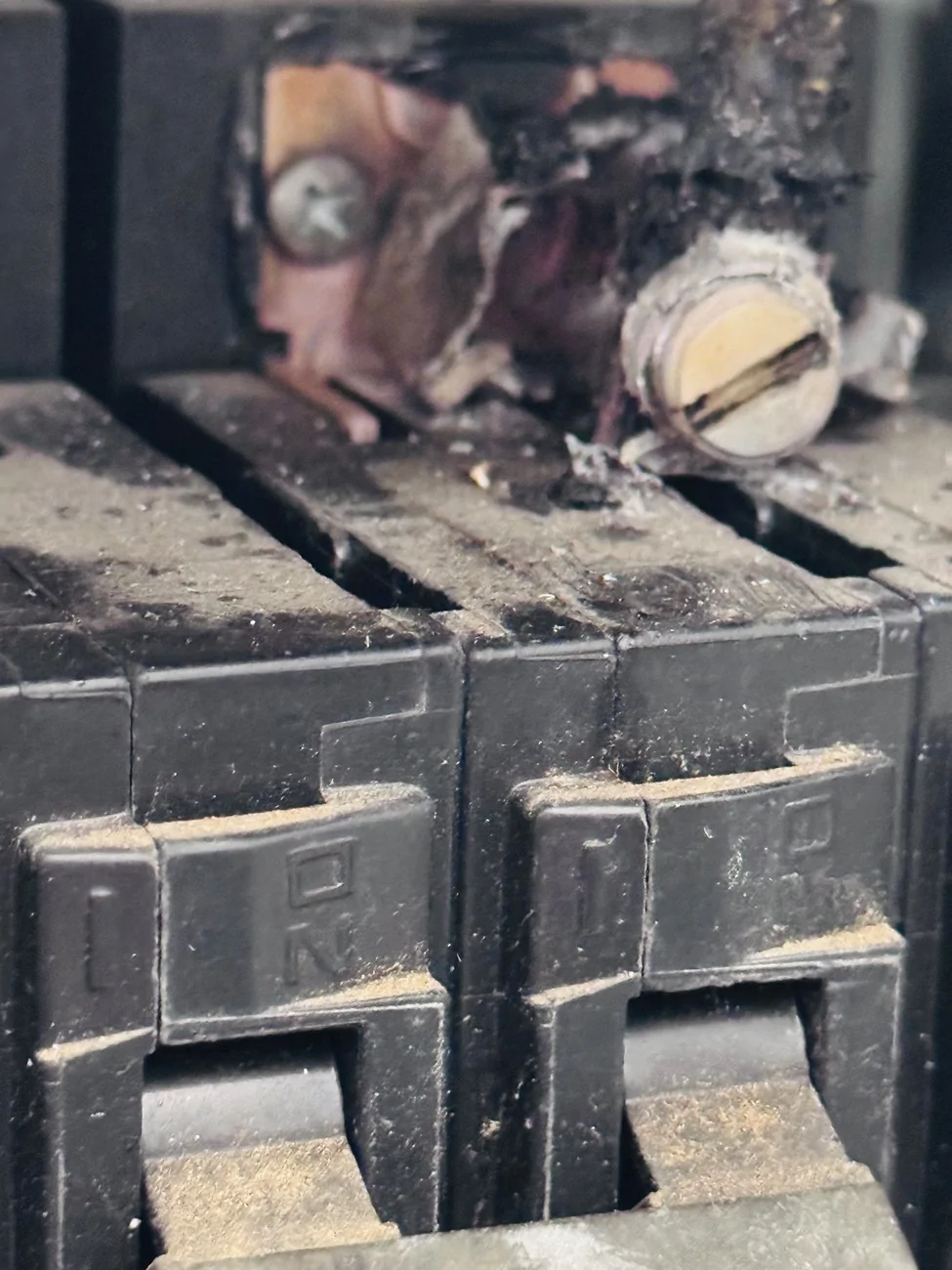
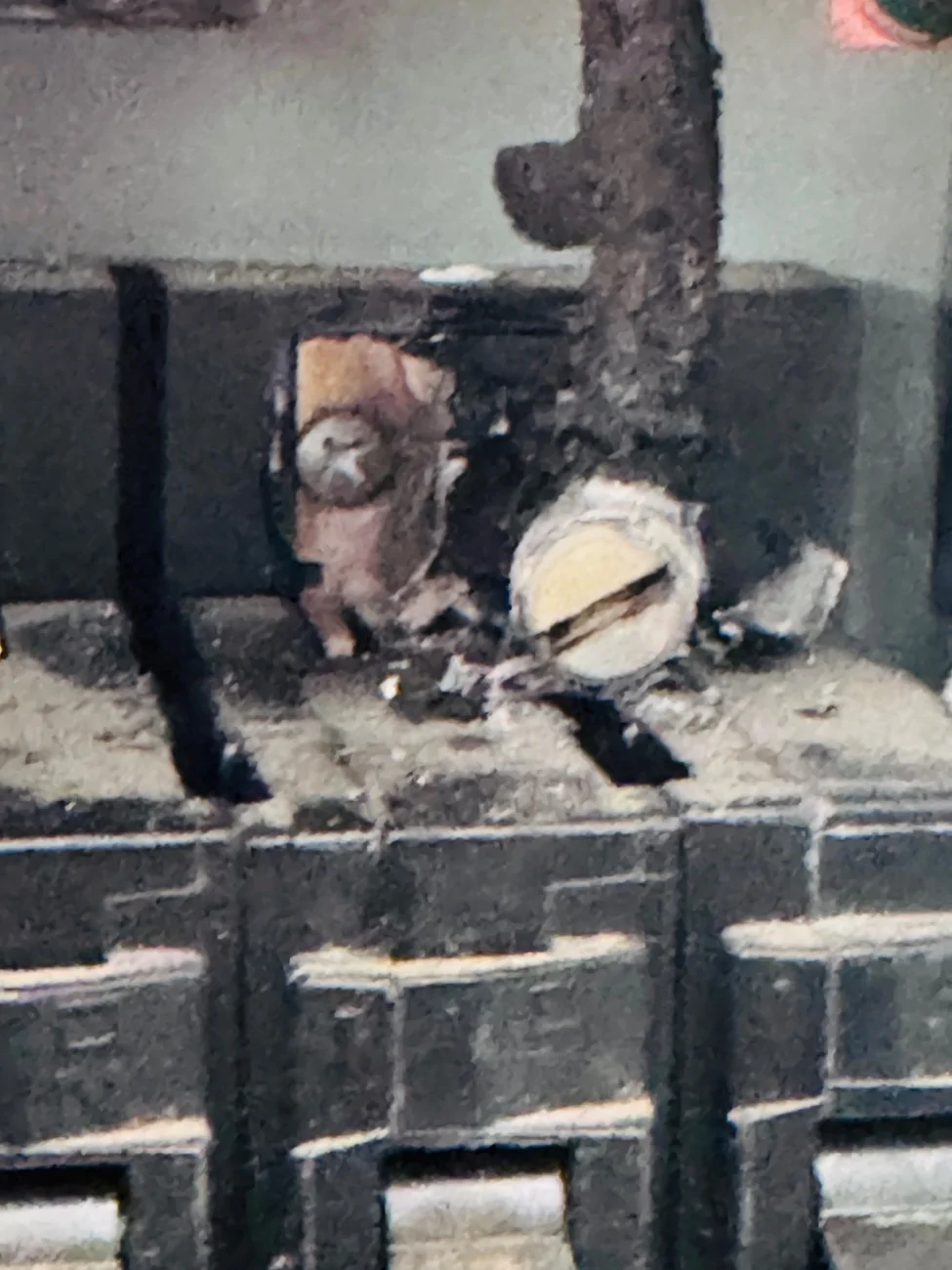
Last night it seems the charge rate was set to 48 amps- and the 50 amp breaker blew but the bus inside actually melted before the breaker blew.
This RV panel can’t handle a sustained 48 amp draw without the bus where the breakers are inserted actually melted.
This is using the Tesla charger received with the truck.
I guess an rv panel usually experiences a 48 amp draw to start the A/C units and once the compressor is running the amp draw pulls back a lot. But a Tesla charger draws 48 amps - maybe more- constantly.
I don’t recall a selection for 48 amp charging- I am using the plug in Tesla charger with a 50 amp plug on the unit.
Even most of the 50 amp receptacles are not rated for over than 50 amps - for real - guys replacing their dryer receptacles should beware as Home Depot does not even sell a 50 amp receptacle that is rated for any higher amp draw - requires going to a Amazon.
Make sure your receptacle is rated for a lot more than 50 amps.
Also if you are ever at a RV park and using your portable Tesla charger with the 50 amp plug you should set the amp charge rate way down below ;8 amps- maybe 30 amps is enough.
My installation uses number 4 wires which was large enough protect the wiring but the I assumed (wrongly) that a 48 amp draw from a 50 amp rv charge post - would have no issue charging at 48 amps. But the internal bus could not take a constant 48 amp draw
Solution was to buy the actual Wall mounted Tesla charger for $500 and have it installed directly to the number #4 220 volt and ground wires -
Moral of the story check what your charging amperage is set at in the truck and be careful not to set to 48 amps unless you have a true receptacle at 48 amps - which requires the correct breaker in your main panel - 60 amp breaker ideally- and #4 or larger wire and a receptacle rated for something more than 48 amps as the constant draw can create heat that a receptacle rated for only 48 amps cannot support- it will melt.

Best
Jeff
I have a RV panel with a 50,30 and 20 amp receptacle - with - breaker for each - never had a problem charging at 40 amps but usually at the charge level to 35 amps.
Last night it seems the charge rate was set to 48 amps- and the 50 amp breaker blew but the bus inside actually melted before the breaker blew.
This RV panel can’t handle a sustained 48 amp draw without the bus where the breakers are inserted actually melted.
This is using the Tesla charger received with the truck.
I guess an rv panel usually experiences a 48 amp draw to start the A/C units and once the compressor is running the amp draw pulls back a lot. But a Tesla charger draws 48 amps - maybe more- constantly.
I don’t recall a selection for 48 amp charging- I am using the plug in Tesla charger with a 50 amp plug on the unit.
Even most of the 50 amp receptacles are not rated for over than 50 amps - for real - guys replacing their dryer receptacles should beware as Home Depot does not even sell a 50 amp receptacle that is rated for any higher amp draw - requires going to a Amazon.
Make sure your receptacle is rated for a lot more than 50 amps.
Also if you are ever at a RV park and using your portable Tesla charger with the 50 amp plug you should set the amp charge rate way down below ;8 amps- maybe 30 amps is enough.
My installation uses number 4 wires which was large enough protect the wiring but the I assumed (wrongly) that a 48 amp draw from a 50 amp rv charge post - would have no issue charging at 48 amps. But the internal bus could not take a constant 48 amp draw
Solution was to buy the actual Wall mounted Tesla charger for $500 and have it installed directly to the number #4 220 volt and ground wires -
Moral of the story check what your charging amperage is set at in the truck and be careful not to set to 48 amps unless you have a true receptacle at 48 amps - which requires the correct breaker in your main panel - 60 amp breaker ideally- and #4 or larger wire and a receptacle rated for something more than 48 amps as the constant draw can create heat that a receptacle rated for only 48 amps cannot support- it will melt.
Best
Jeff
Sponsored