Sponsored

Is this a rain sensor??

Leifmb

Well-known member
First Name
Leif
Joined
May 12, 2024
Threads
27
Messages
490
Reaction score
781
Location
California
Vehicles
2025 Cyberbeast
Country flag
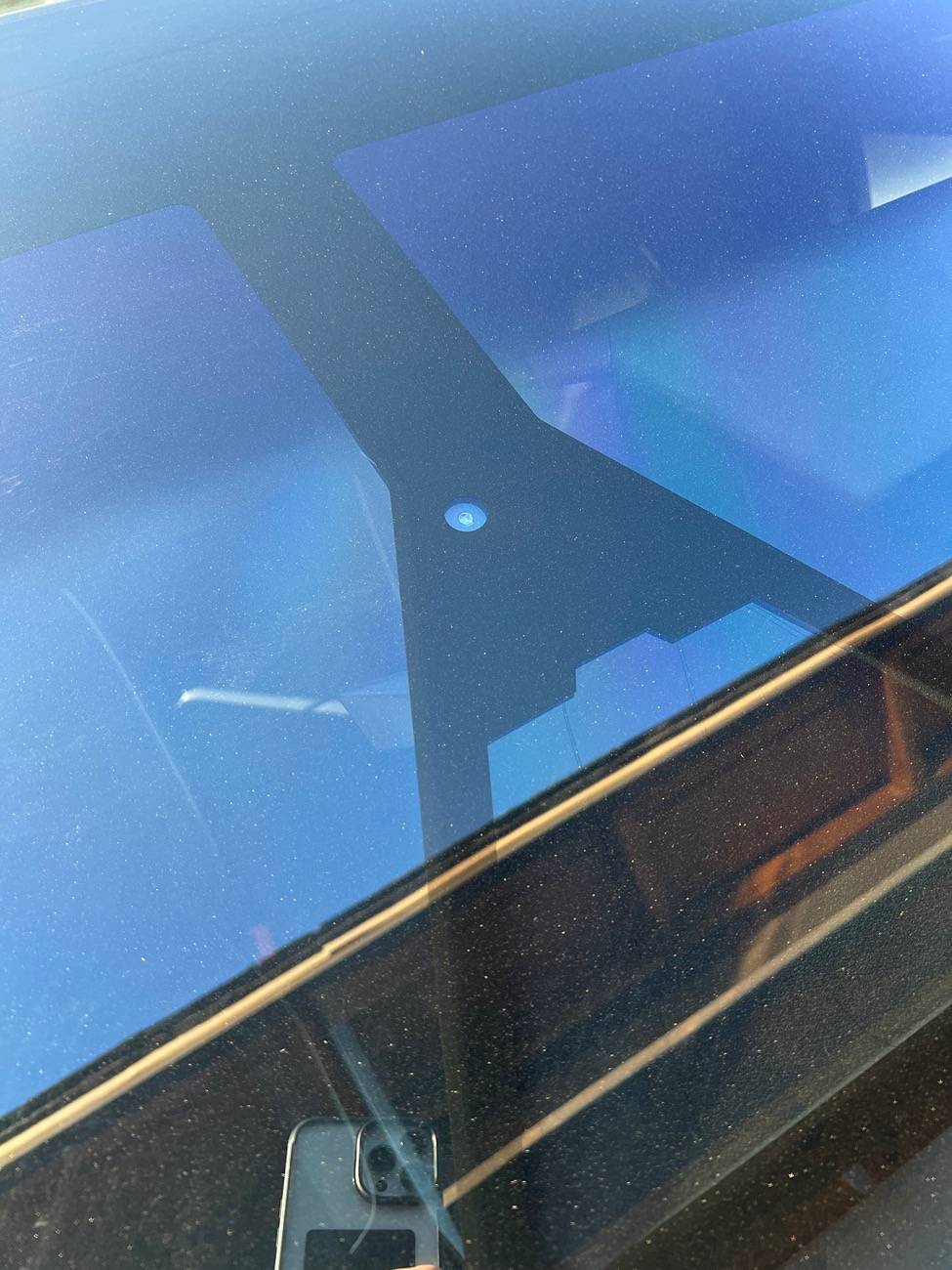
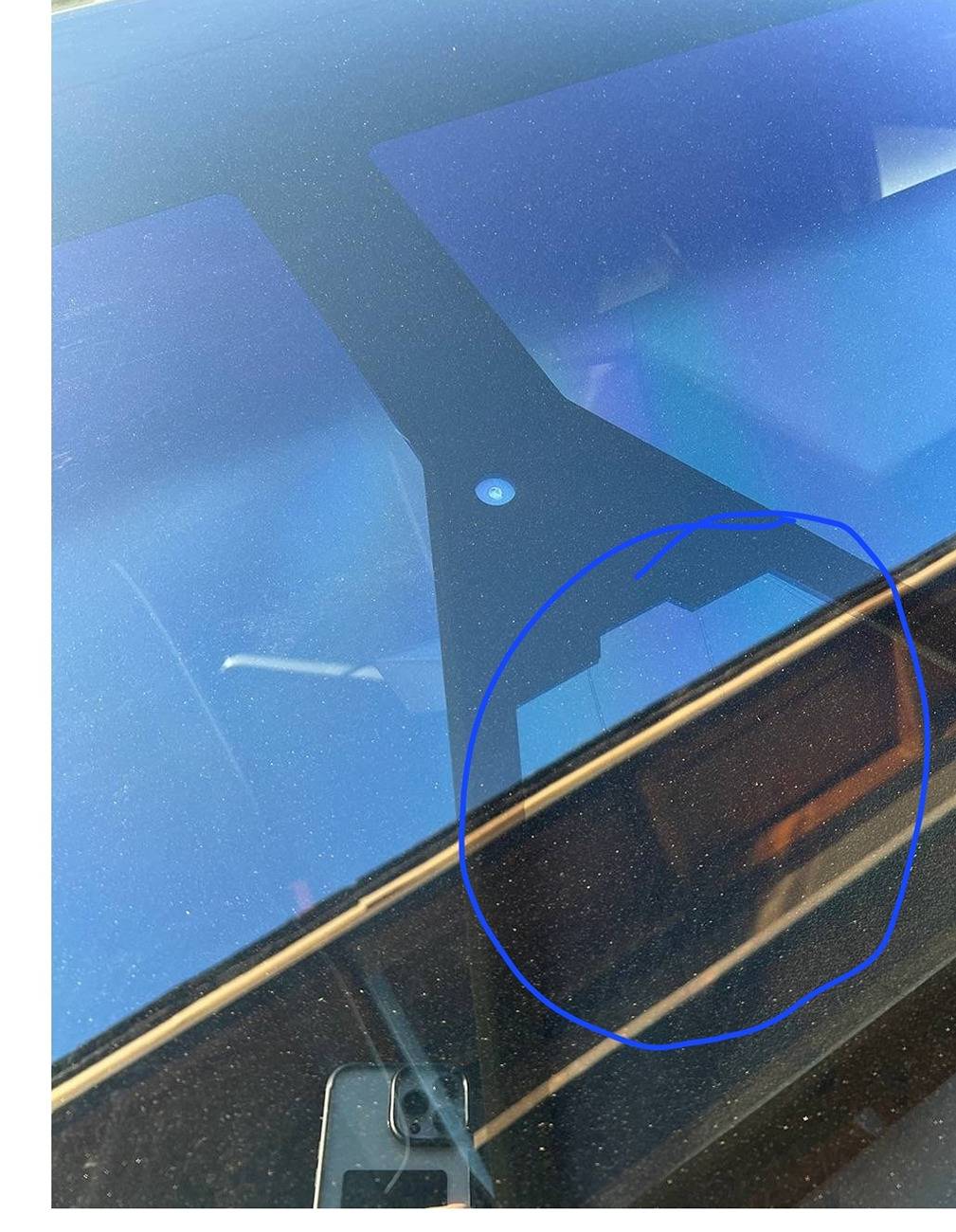
Just took delivery of a 2025 CB and noticed what looks like a rain sensor on the top of the windshield cameras-is it new or already existing and maybe some light sensor?

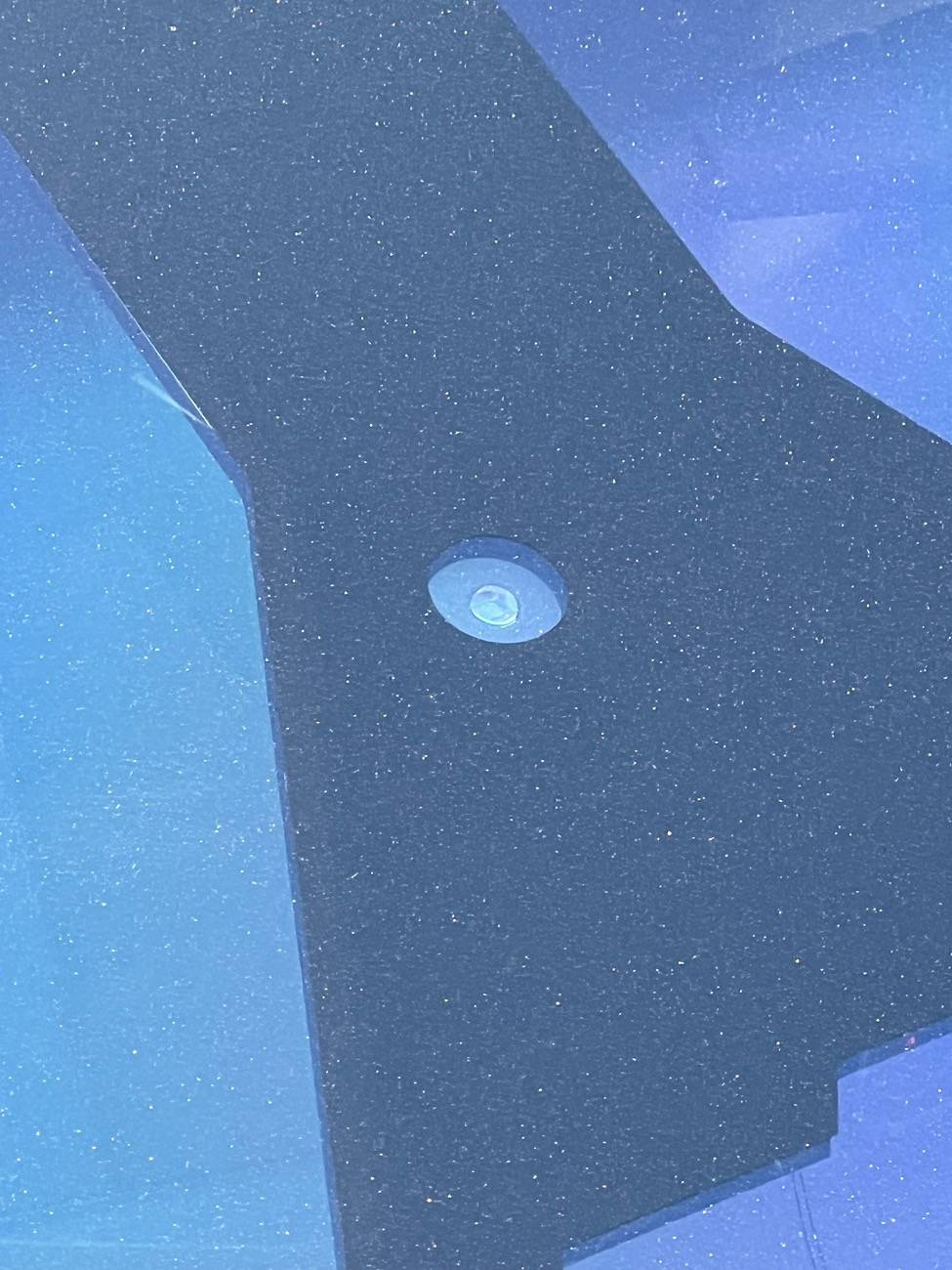
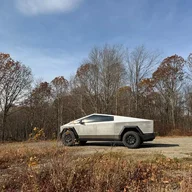
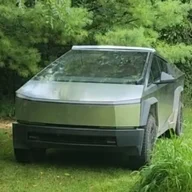
Tesla Cybertruck Is this a rain sensor?? IMG_8521


Tesla Cybertruck Is this a rain sensor?? IMG_8520
Sponsored


SSonnentag

Well-known member
First Name
Shawn
Joined
Feb 24, 2020
Threads
12
Messages
623
Reaction score
1,229
Location
Arizona
Vehicles
2018 MX and 2023 MYP
Occupation
IT Specialist
Country flag
I hadn't noticed that before. I have no further insights on its purpose though. Could be a light sensor for headlight activation???
 
  • Like
Reactions: REM

RonSol

Well-known member
First Name
Ron
Joined
Feb 19, 2020
Threads
0
Messages
196
Reaction score
586
Location
Archbald PA
Vehicles
MY LR / CT / 3P
Occupation
Systems Engineer
Country flag
My CT built on 12-7 has the same setup.
 
OP
OP
Leifmb

Leifmb

Well-known member
First Name
Leif
Joined
May 12, 2024
Threads
27
Messages
490
Reaction score
781
Location
California
Vehicles
2025 Cyberbeast
Country flag
My CT built on 12-7 has the same setup.
Good to know-I searched all over and it was difficult to find a clear picture of that! So, what is that sensor-light? Rain? Anyone know for sure?
 

The Tesla Guy

Well-known member
First Name
Daniel
Joined
Mar 15, 2024
Threads
7
Messages
438
Reaction score
393
Location
Washington
Website
youtubeteslaguy.com
Vehicles
23MS Plaid, 23MY, LR,Order-FoundationCyberTruck DM
Occupation
Retired
Country flag
ChatGPT says.

The circular cutout in the front windshield camera assembly of the Tesla Cybertruck, as seen in your photo, is likely designed for a sensor or camera. Based on Tesla’s design for their vehicles, this could be for:
1. Forward-Facing Camera System – Tesla vehicles use a suite of cameras for Autopilot and Full Self-Driving (FSD) features, and a clear cutout ensures an unobstructed view for a specific sensor or camera.
2. Rain/Light Sensor – Many modern vehicles have rain and light sensors integrated into the windshield to control automatic wipers and headlights.
3. ADAS (Advanced Driver Assistance Systems) Sensor – Some vehicles use these cutouts to house additional ADAS sensors to improve the accuracy of lane-keeping and adaptive cruise control.

Since this is the Cybertruck, which has a different windshield and camera placement than other Tesla models, this cutout is most likely for an important sensor in the driver-assist system.


jf64k

Well-known member
Joined
Dec 12, 2023
Threads
34
Messages
1,227
Reaction score
1,989
Location
Los Angeles
Vehicles
2020 MYLR (Lola), 2024 FS AWD (Deckard 263-54)
Country flag
My FS AWD (113xx Delivered May 2024) has that too.
 

SCTesla

Well-known member
Joined
Jun 11, 2024
Threads
6
Messages
2,463
Reaction score
3,679
Location
USA
Vehicles
22 Model S, 24 CT
Country flag
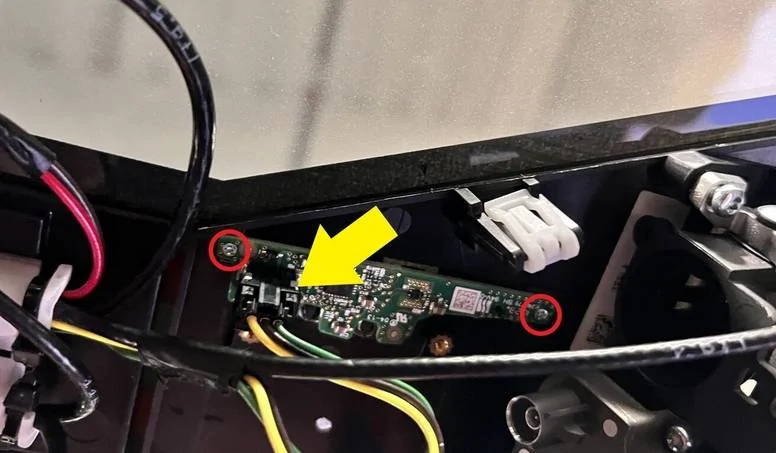
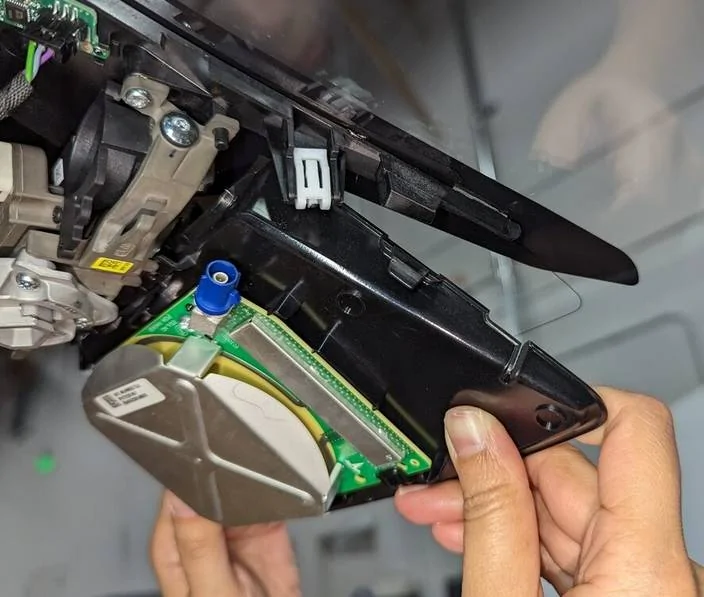
From the service manual, it looks like the GNSS antenna. There is no rain sensor.
 

mongo

Well-known member
Joined
May 27, 2024
Threads
5
Messages
4,520
Reaction score
5,496
Location
SE Michigan
Vehicles
Cyberbeast
Country flag
  • Like
Reactions: REM


Macgreiner

Well-known member
First Name
Mac
Joined
Jun 3, 2021
Threads
10
Messages
415
Reaction score
908
Location
Maryland
Vehicles
i3 (sold), S70D(sold), R1200RT, LR3, P3D, MYAWD
Occupation
Global Operations
Country flag
Tesla went to camera based rain detection. That is why auto wipe is so sh!t.
 

SSonnentag

Well-known member
First Name
Shawn
Joined
Feb 24, 2020
Threads
12
Messages
623
Reaction score
1,229
Location
Arizona
Vehicles
2018 MX and 2023 MYP
Occupation
IT Specialist
Country flag
I'm leaning toward it being an actual rain sensor. Tesla may not currently utilize the sensor, but I'm thinking it was an inexpensive addition that may come into play later.

I asked GROK how most rain sensors work and was given this:

  1. Sensor Placement: The rain sensor is usually embedded in the windshield, often near the rearview mirror or behind it. This location is chosen because it's less likely to be obstructed or affected by other elements like the wipers themselves.
  2. Infrared Light: The sensor emits infrared light into the windshield. This light beam travels through the glass and reflects back to a detector within the sensor.
  3. Detection of Rain: When rain drops or moisture land on the outside of the windshield, they alter the way light is reflected back to the sensor. Water on the glass causes some of the light to scatter, which reduces the amount of light that returns to the detector.
  4. Signal Processing:
    • Less Light Detected: More rain leads to less light being detected because the water droplets scatter the light.
    • More Light Detected: A dry windshield reflects more light back to the sensor.
  5. The sensor measures these changes in light intensity or the angle of reflection. By analyzing how much light is reflected back compared to when the glass is dry, the sensor can determine if it's raining and how heavily.
  6. Wiper Activation:
    • The data from the sensor is sent to the vehicle's control unit.
    • Based on the intensity of rain detected, the control unit decides the speed and frequency of the wiper operation. For light drizzle, the wipers might move slowly or intermittently, while in heavy rain, they would move faster.
  7. Adaptive Control: Many modern systems also adapt over time. They might learn from driver inputs if the driver manually adjusts the wipers, refining the sensitivity and response to better match the driver's preferences.
 

mongo

Well-known member
Joined
May 27, 2024
Threads
5
Messages
4,520
Reaction score
5,496
Location
SE Michigan
Vehicles
Cyberbeast
Country flag
I'm leaning toward it being an actual rain sensor. Tesla may not currently utilize the sensor, but I'm thinking it was an inexpensive addition that may come into play later.

I asked GROK how most rain sensors work and was given this:

  1. Sensor Placement: The rain sensor is usually embedded in the windshield, often near the rearview mirror or behind it. This location is chosen because it's less likely to be obstructed or affected by other elements like the wipers themselves.
  2. Infrared Light: The sensor emits infrared light into the windshield. This light beam travels through the glass and reflects back to a detector within the sensor.
  3. Detection of Rain: When rain drops or moisture land on the outside of the windshield, they alter the way light is reflected back to the sensor. Water on the glass causes some of the light to scatter, which reduces the amount of light that returns to the detector.
  4. Signal Processing:
    • Less Light Detected: More rain leads to less light being detected because the water droplets scatter the light.
    • More Light Detected: A dry windshield reflects more light back to the sensor.
  5. The sensor measures these changes in light intensity or the angle of reflection. By analyzing how much light is reflected back compared to when the glass is dry, the sensor can determine if it's raining and how heavily.
  6. Wiper Activation:
    • The data from the sensor is sent to the vehicle's control unit.
    • Based on the intensity of rain detected, the control unit decides the speed and frequency of the wiper operation. For light drizzle, the wipers might move slowly or intermittently, while in heavy rain, they would move faster.
  7. Adaptive Control: Many modern systems also adapt over time. They might learn from driver inputs if the driver manually adjusts the wipers, refining the sensitivity and response to better match the driver's preferences.
Rain sensors have a larger opening in the mask.
There is also no such part in the catalog nor schematic.
It appears to be the same type temperature humidity sensor as other models.
Sponsored


Top