someccie
Well-known member
- Joined
- Oct 11, 2023
- Threads
- 4
- Messages
- 76
- Reaction score
- 145
- Location
- Maryland
- Vehicles
- Cybertruck Beast
- Occupation
- Network Dude

- Thread starter
- #16
Absolutely love this. Was contemplating doing the same and was hoping someone had done it before me!
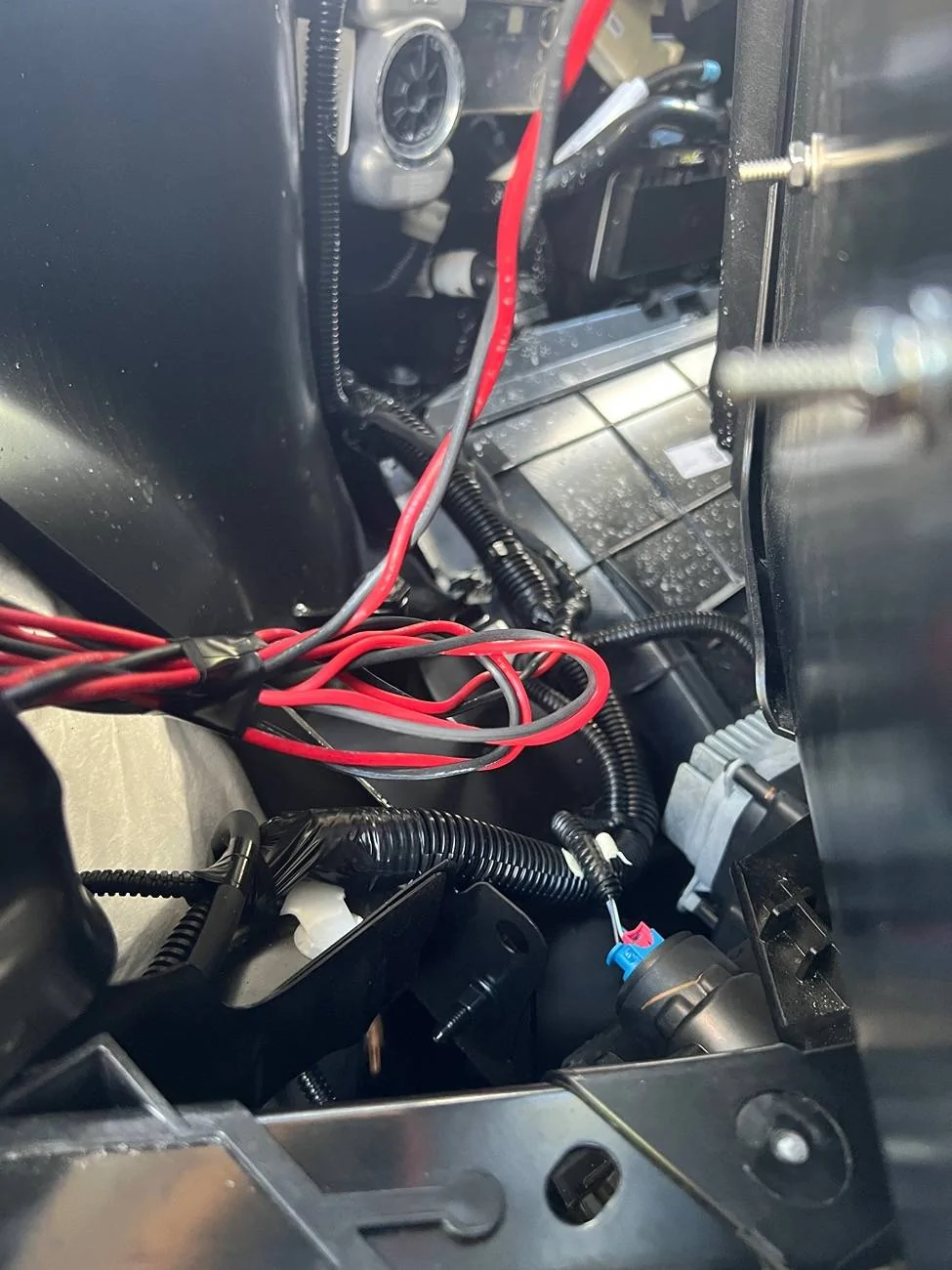
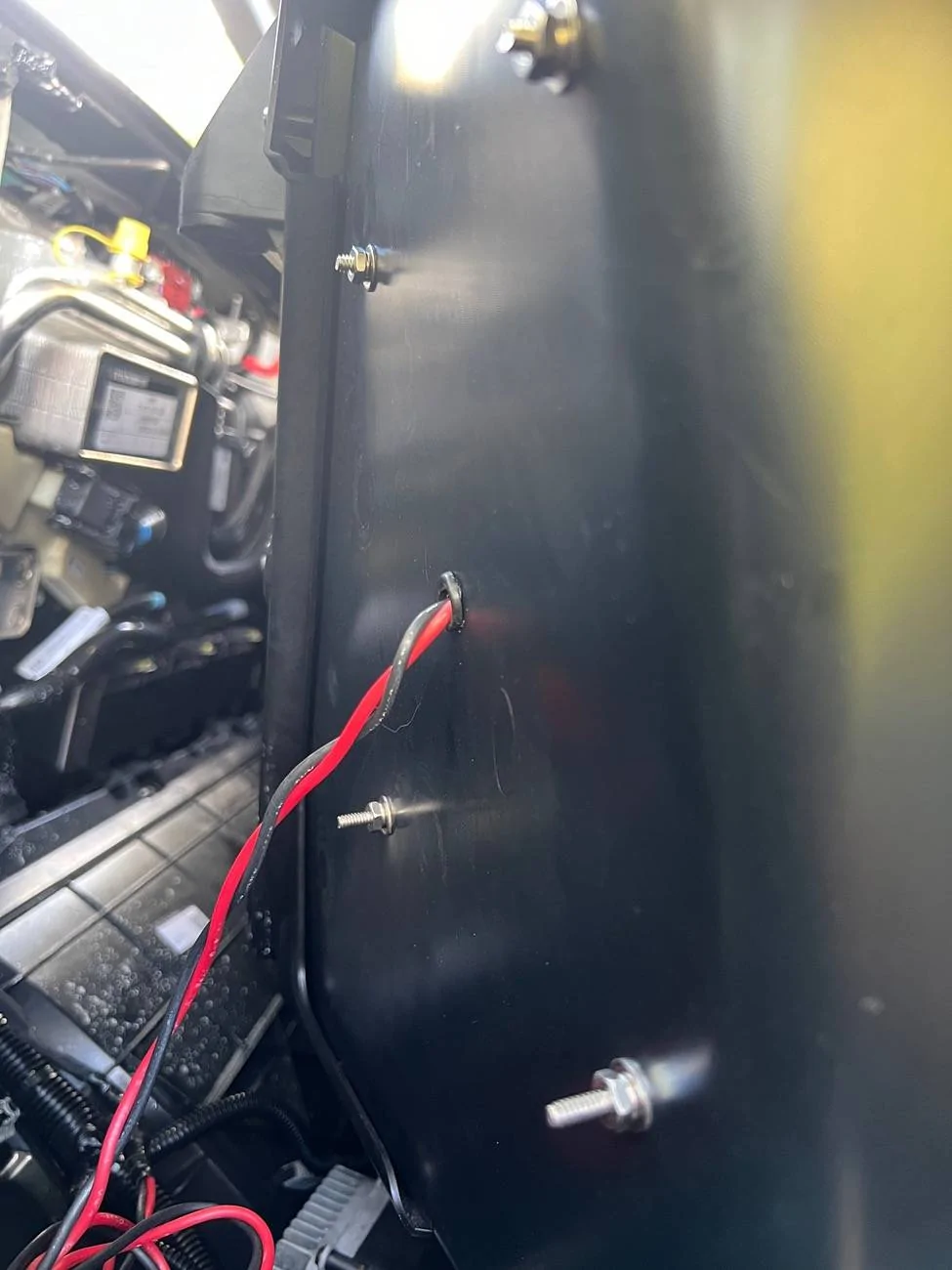
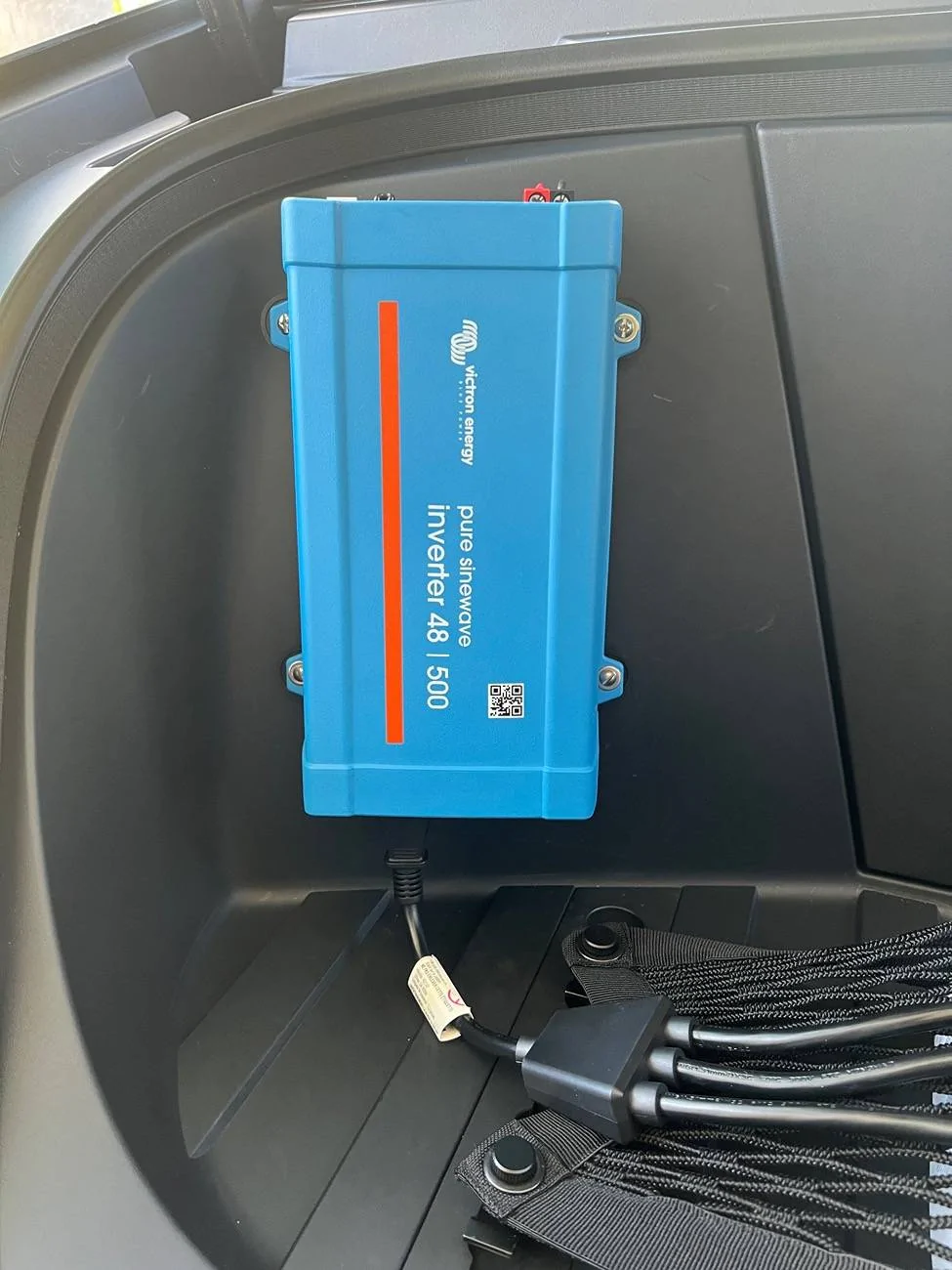
I’m thinking about mounting the DC/DC step down behind the frunk liner and drilling a hole to put a 12V outlet receptacle in the liner. This way it’s a clean install, basically same as if they had decided to put a 12V outlet up there.
One big question though, per the manual it seems that once you exit the truck you must keep the AC outlets active to keep the 48V on. Is this true?
I was hoping the LV side would stay on as long as sentry mode was enabled, like our model Y. That way you have less phantom drain than if the huge DC/AC outlet inverter is kept powered on all night. The idle current draw from the main inverter is higher than the power draw of the cooler!
If there’s no way to keep 48V power on without the outlets on than it would sort of defeat the purpose for me and I’d probably just use a 2kW power station in the vault to run my cooler back there and then fast charge it once a day off the truck to be more power efficient.
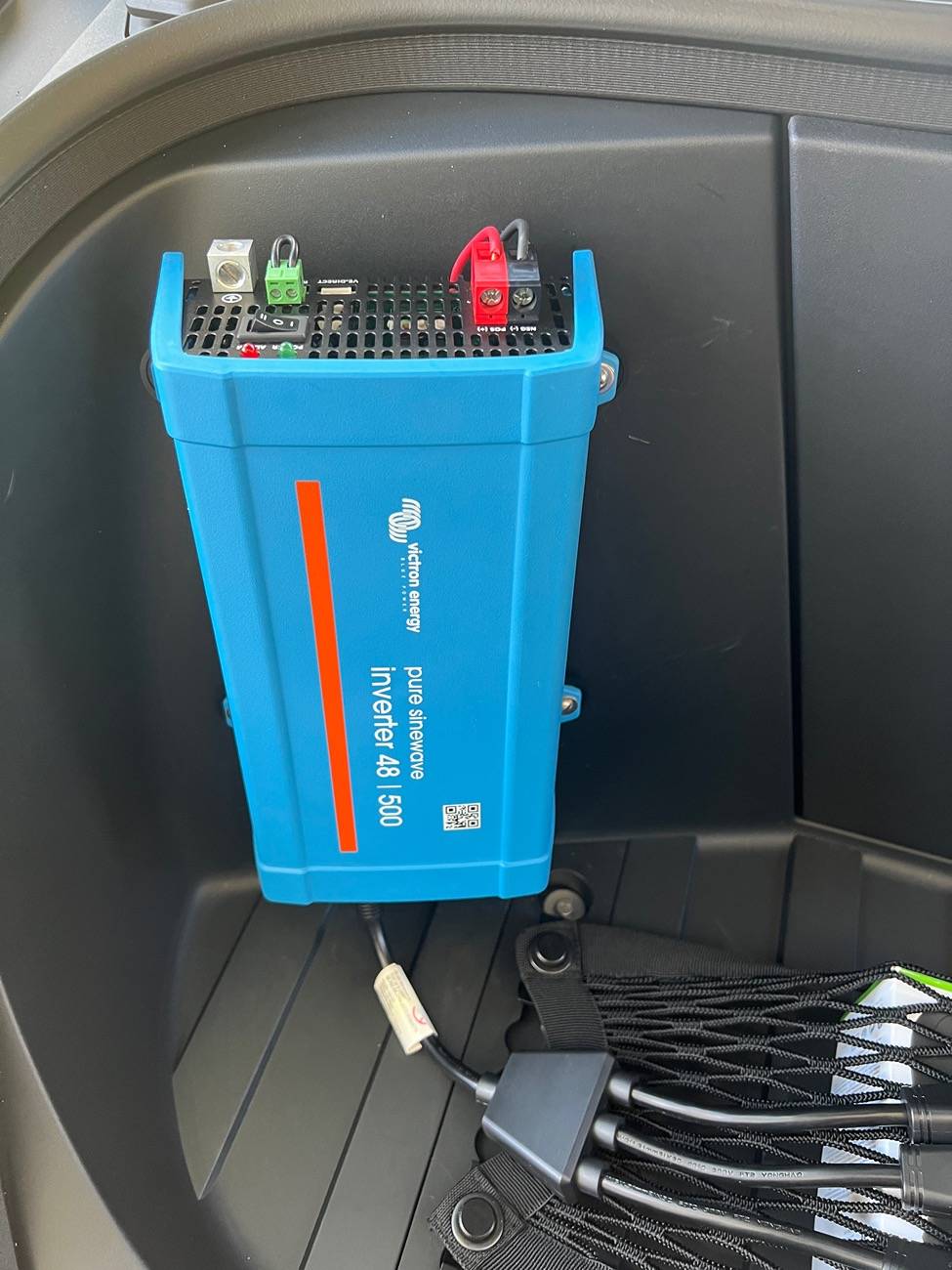
I haven't revisited this install, but I would like to put the step-down converter behind the liner too. This was just a temporary installation to ensure it would work. After a month of use, it works fine, but I want to give it another few weeks of warmer weather.
The frunk connection is unrelated to the interior 120V or bed 120/240V outlets; therefore they do not have to be switched on to remain on. I have noticed that the frunk connection turns off after some deep sleep time, likely 12-18 hours. I will have to do some testing after an upcoming work trip to verify what that timeline looks like.
I have no interest in wiring directly to the 48V battery. I want to ensure this is a safe installation that is easily removable and will not interfere with any other systems in play on the vehicle. Wiring into the battery could add extra load into the system without any safety constraints (fuses and/or current limiters), which could compromise safety, and I certainly wouldn't recommend anyone go that route. Tesla provided these 48V extensions for convenience and they are current limited to not break the other systems and we should stick to those. The 120/240V outlets aren't wired to other vehicle systems, but are also current limited for safety reasons.
Sponsored