jackychu
Well-known member
- First Name
- Jacky
- Joined
- Mar 18, 2024
- Threads
- 27
- Messages
- 124
- Reaction score
- 345
- Location
- San Jose, CA
- Vehicles
- Cybertruck, Model Y

- Thread starter
- #1
I’m back from Alaska!
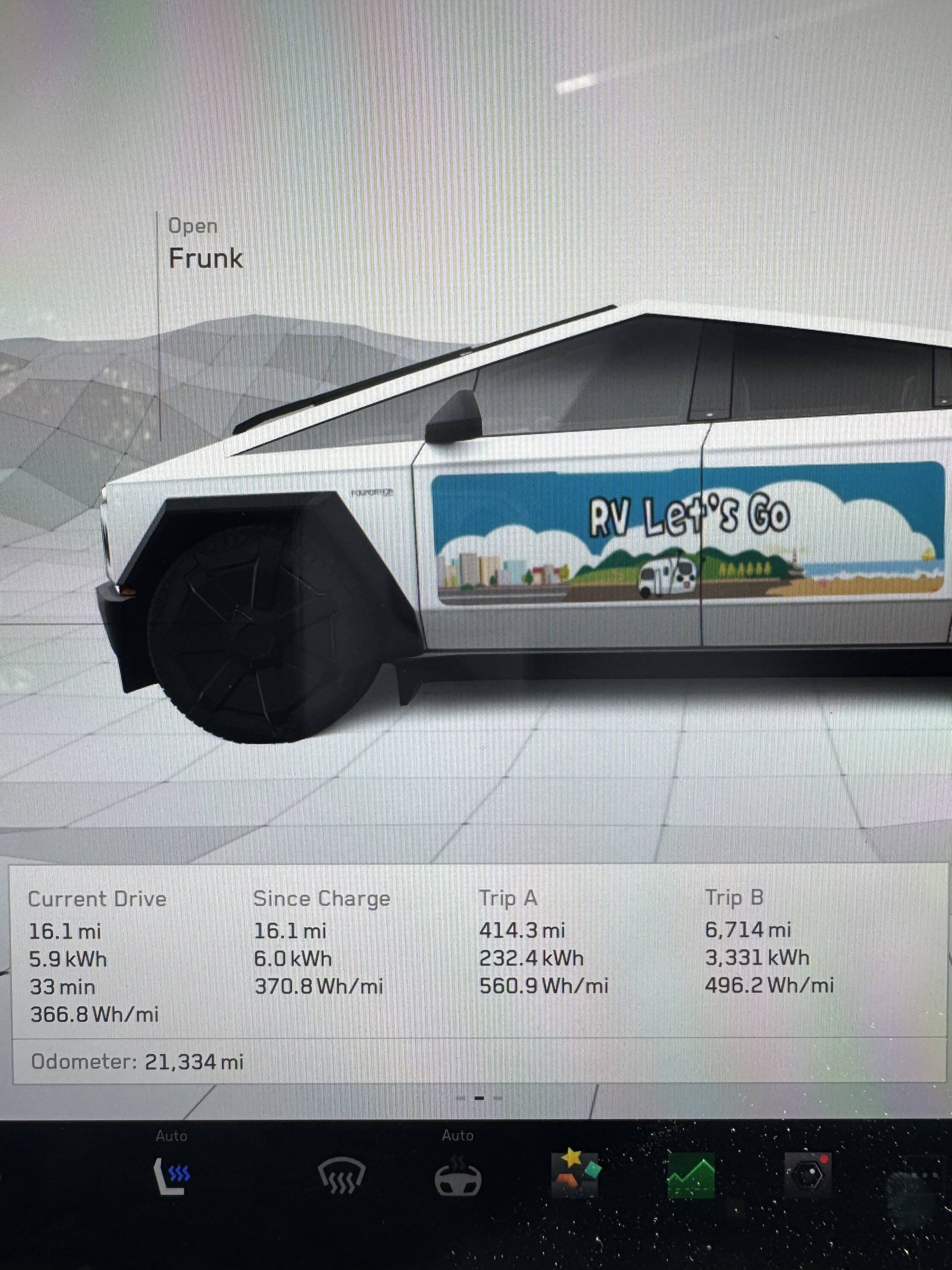
15 days, 6,200 miles round trip from San Jose, CA.
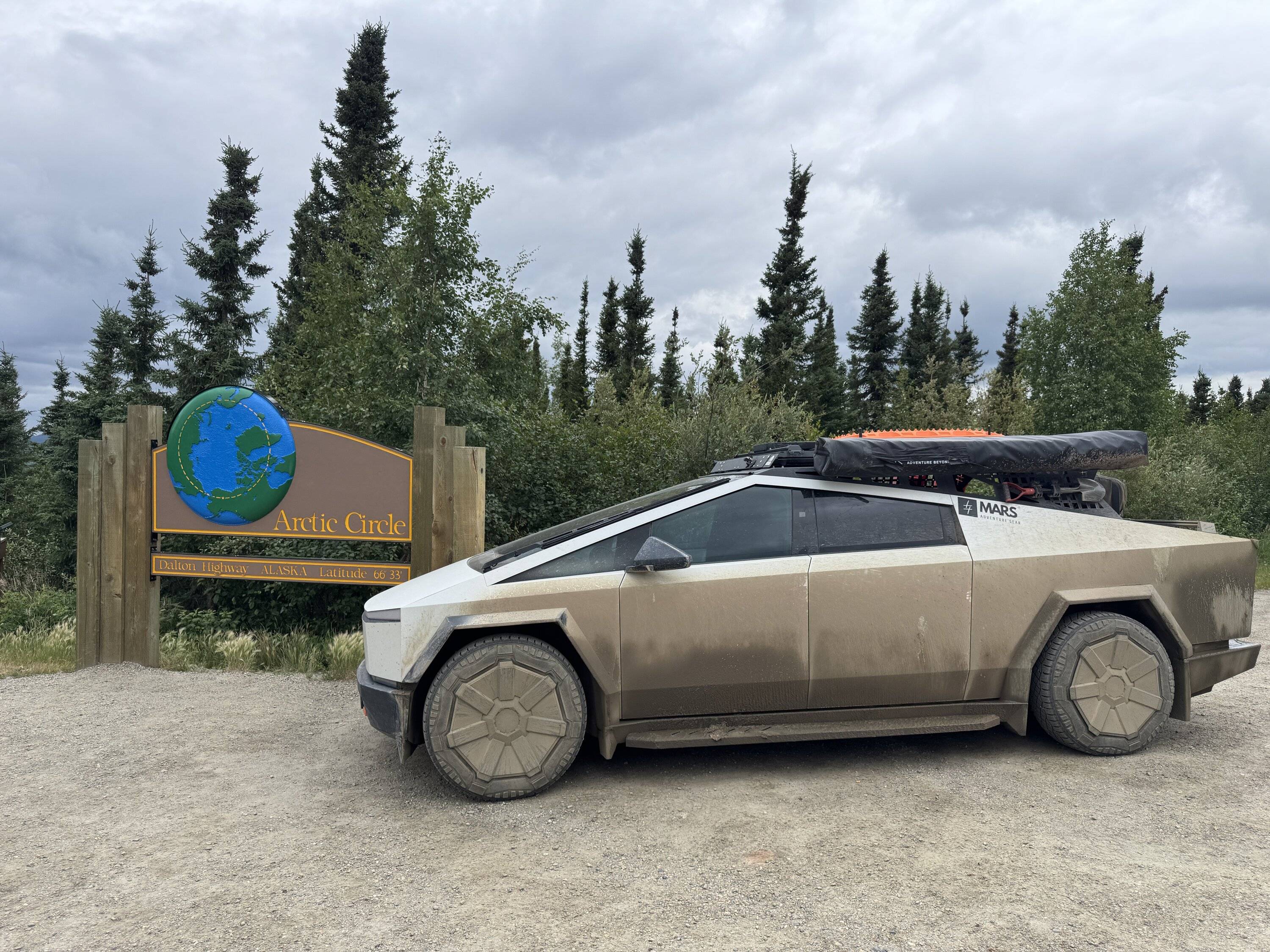
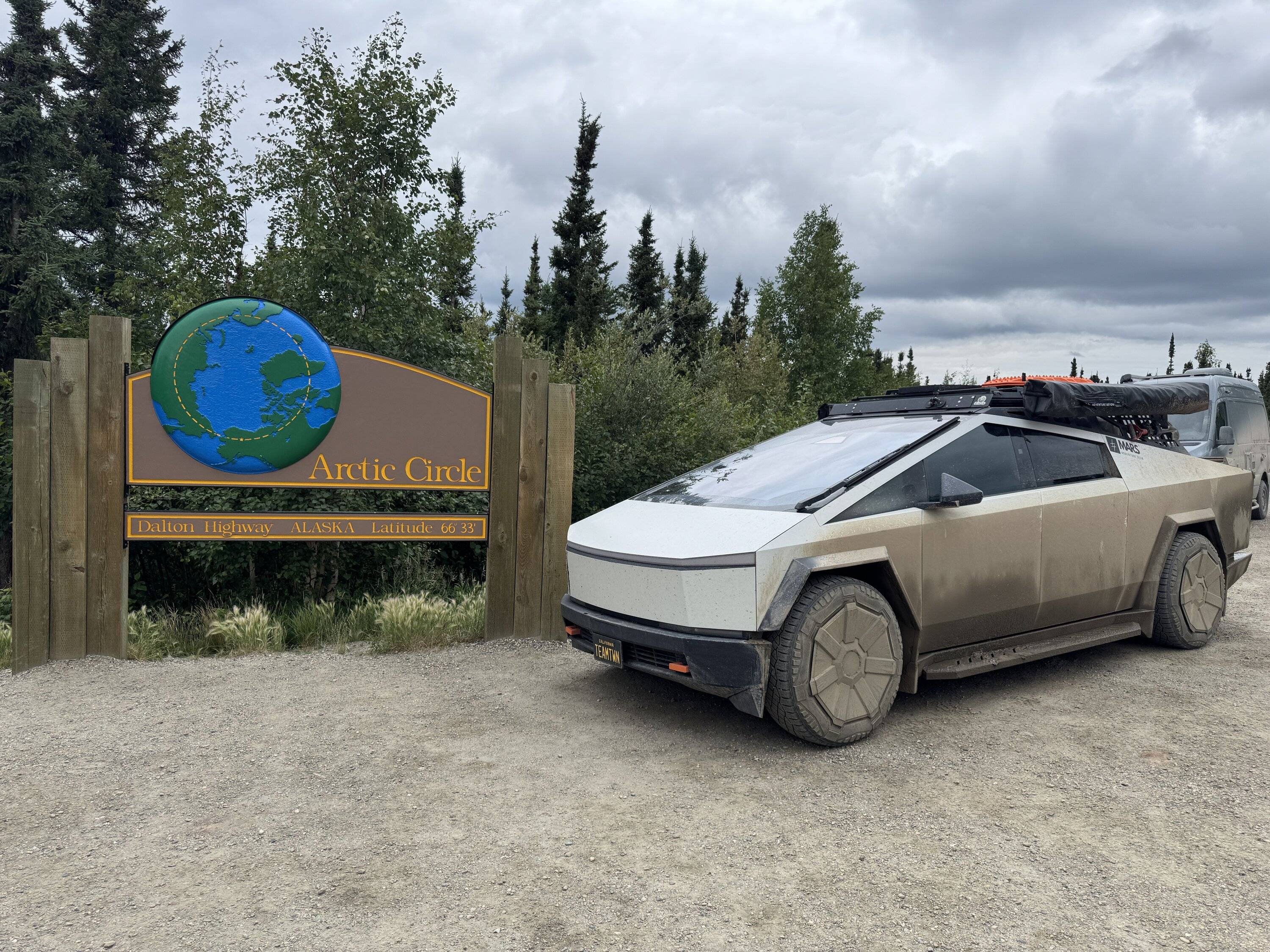
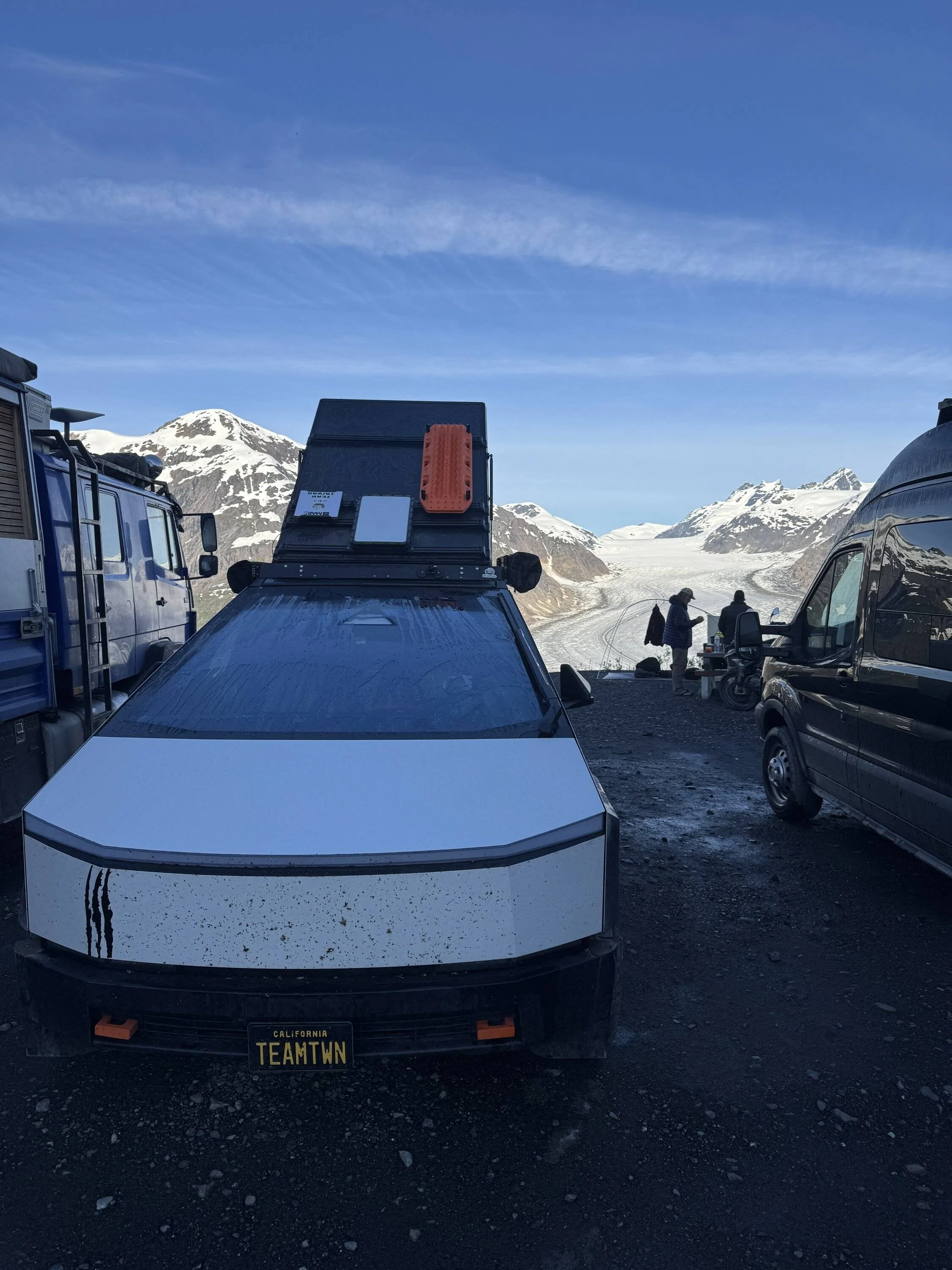
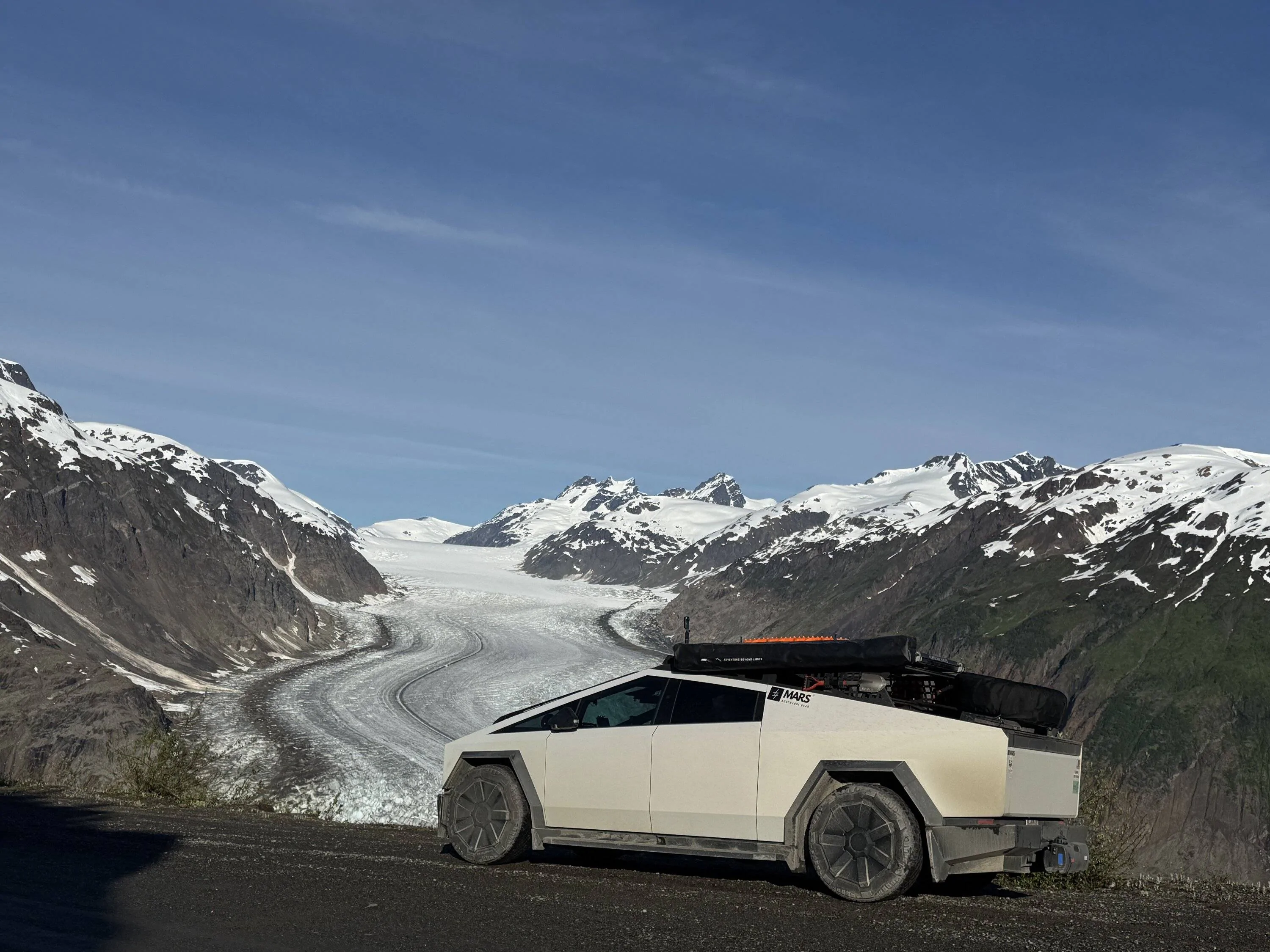
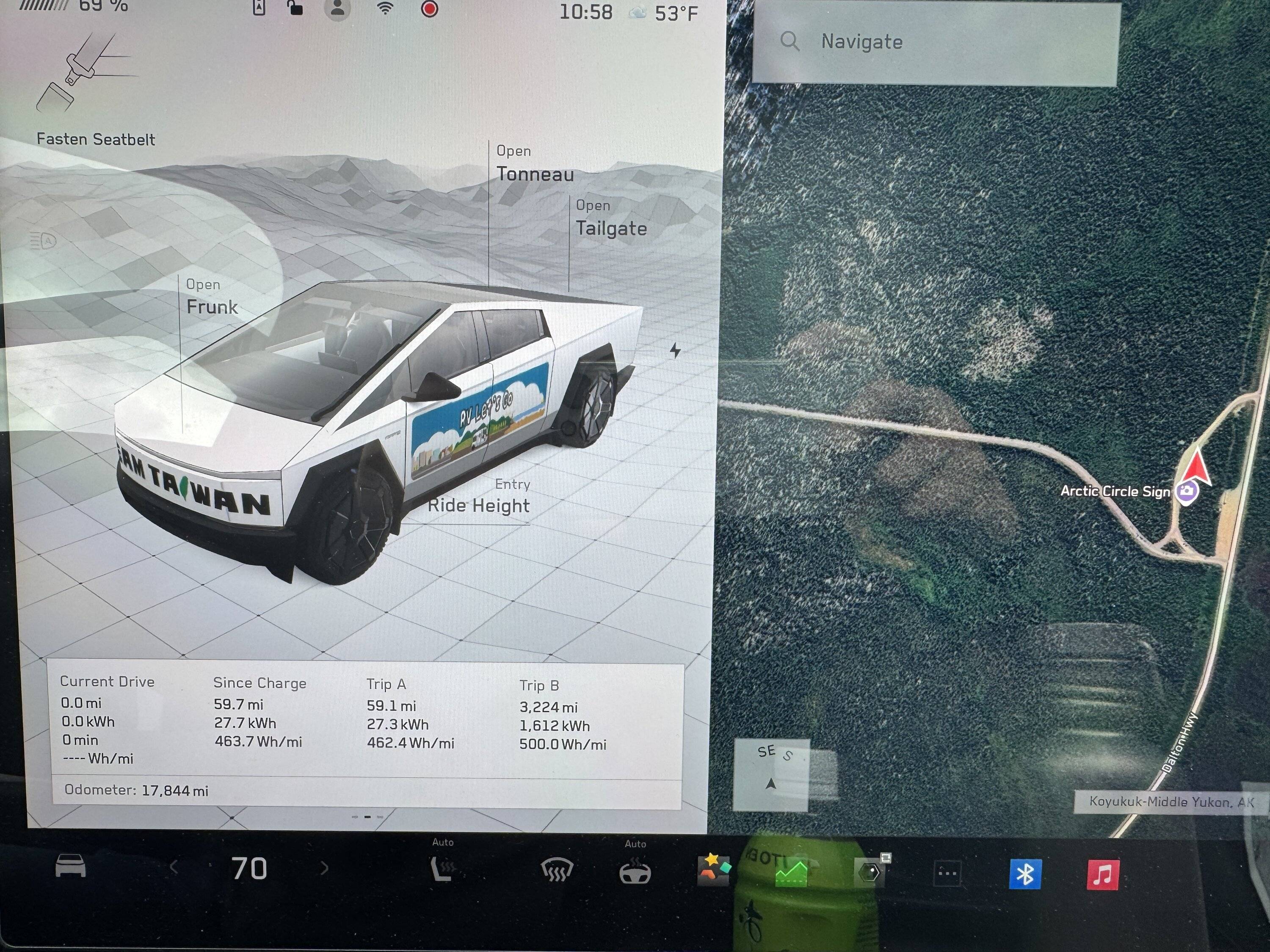
I reached the Arctic Circle sign, camped at a mountain summit, and stayed in front of a glacier.
What an amazing and wonderful trip—especially in an electric vehicle.
Here are the details of how I managed charging on the road:
? Charging Log Spreadsheet
There were three different non-Tesla charging networks I used: FLO, BC Hydro, and EVC Canada.
I brought the A2Z CCS1 to NACS adapter with me. Most chargers worked fine—except for BC Hydro.
Not every BC Hydro station worked reliably. For example, one might work one day but fail the next.
EVC Canada was generally okay, though sometimes I had to plug and unplug a few times to get it to work.
FLO chargers were the most reliable, but also the slowest—typically 50 kW or even as low as 25 kW.
In total, I spent about 4 full days just charging, including overnight charging at RV parks.
The 3 most challenging routes were:
On these routes, I stayed at RV parks and charged overnight.
At Yukon River Camp, they offered a Level 1 charger (NEMA 14-50 outlet), but it only delivered 5 kW.
It was a flat rate of $100. I thought I could use my own mobile charger instead of theirs, which was limited to just 24A.
Why didn’t I go all the way to Coldfoot or Prudhoe Bay (Arctic Ocean)?
I ran out of time. To reach Prudhoe Bay, I would’ve needed at least 5 more days due to slow charging along the way.
So I turned back from the Arctic Circle sign.
Hope this charging info helps you plan your own EV journey.
Enjoy the ride!
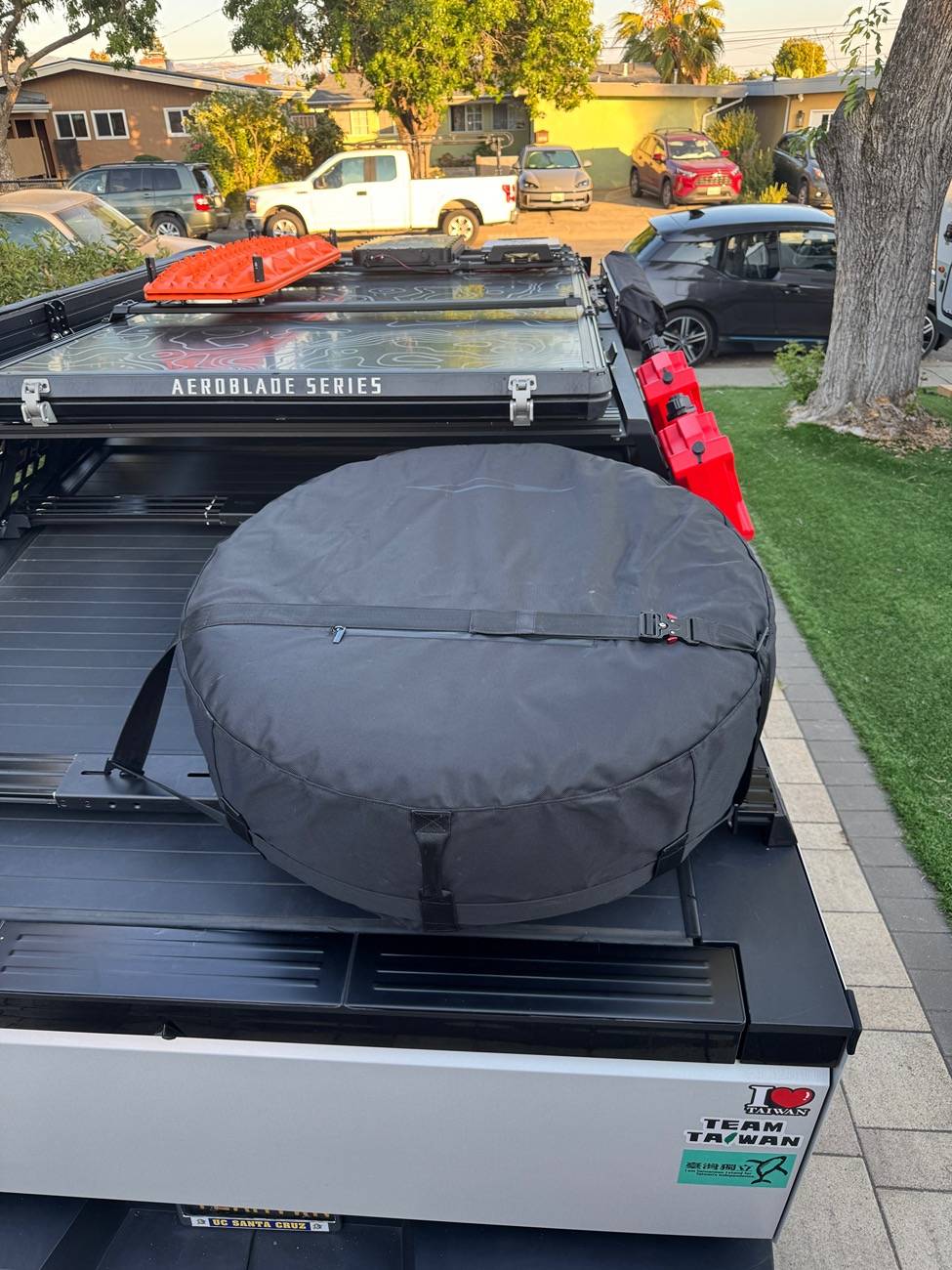
Big thanks to @Mars Adventure Gear for supporting me on this journey. The AeroBlade RTT was impressively energy-efficient, and all the other camping gear was easy to use and reliable throughout the trip. I’m already looking forward to my next adventure: driving the Dempster Highway all the way to the Arctic Ocean—and hopefully, seeing the aurora along the way.


15 days, 6,200 miles round trip from San Jose, CA.
I reached the Arctic Circle sign, camped at a mountain summit, and stayed in front of a glacier.
What an amazing and wonderful trip—especially in an electric vehicle.
Here are the details of how I managed charging on the road:
? Charging Log Spreadsheet
There were three different non-Tesla charging networks I used: FLO, BC Hydro, and EVC Canada.
I brought the A2Z CCS1 to NACS adapter with me. Most chargers worked fine—except for BC Hydro.
Not every BC Hydro station worked reliably. For example, one might work one day but fail the next.
EVC Canada was generally okay, though sometimes I had to plug and unplug a few times to get it to work.
FLO chargers were the most reliable, but also the slowest—typically 50 kW or even as low as 25 kW.
In total, I spent about 4 full days just charging, including overnight charging at RV parks.
The 3 most challenging routes were:
On these routes, I stayed at RV parks and charged overnight.
At Yukon River Camp, they offered a Level 1 charger (NEMA 14-50 outlet), but it only delivered 5 kW.
It was a flat rate of $100. I thought I could use my own mobile charger instead of theirs, which was limited to just 24A.
Why didn’t I go all the way to Coldfoot or Prudhoe Bay (Arctic Ocean)?
I ran out of time. To reach Prudhoe Bay, I would’ve needed at least 5 more days due to slow charging along the way.
So I turned back from the Arctic Circle sign.
Hope this charging info helps you plan your own EV journey.
Enjoy the ride!
Big thanks to @Mars Adventure Gear for supporting me on this journey. The AeroBlade RTT was impressively energy-efficient, and all the other camping gear was easy to use and reliable throughout the trip. I’m already looking forward to my next adventure: driving the Dempster Highway all the way to the Arctic Ocean—and hopefully, seeing the aurora along the way.
Sponsored