DarinCT
Well-known member
- First Name
- Darin
- Joined
- Dec 16, 2020
- Threads
- 8
- Messages
- 357
- Reaction score
- 625
- Location
- California
- Vehicles
- M3, CT triM

For an EE, I imagine it's pretty straight forward. The grid is full of sources, runs, nodes, and loads. LMP (Locational Marginal Pricing) = Energy price + Trasmission congestion cost + Loss Price. LMP data are public. Example here. The greater than number of node hops, the more the congestion and loss price goes up. Each line has a different capacity (of course). Tesla knows the location and SOC for all the PowerWall (and potentially EV in this equation); they know the marginal cost per public data.Thing is I do see it his way and if he had read my posts he'd have known that.
Your most informative post makes it clear that there are many regulatory hurdles to be cleared. Investor owned utilities won't be in a big hurry to get on board and will only do so when legislation forces them to.
That aside, what I love about the Tesla program is that it makes this sort of sharing possible within the current grid structure, that is, they have the technical part of the problem solved. No need for new anti-islanding protocols, voltage regulation, THD.... standards. The system works in the current infrastructure (understood that I am probably being naive about something here).
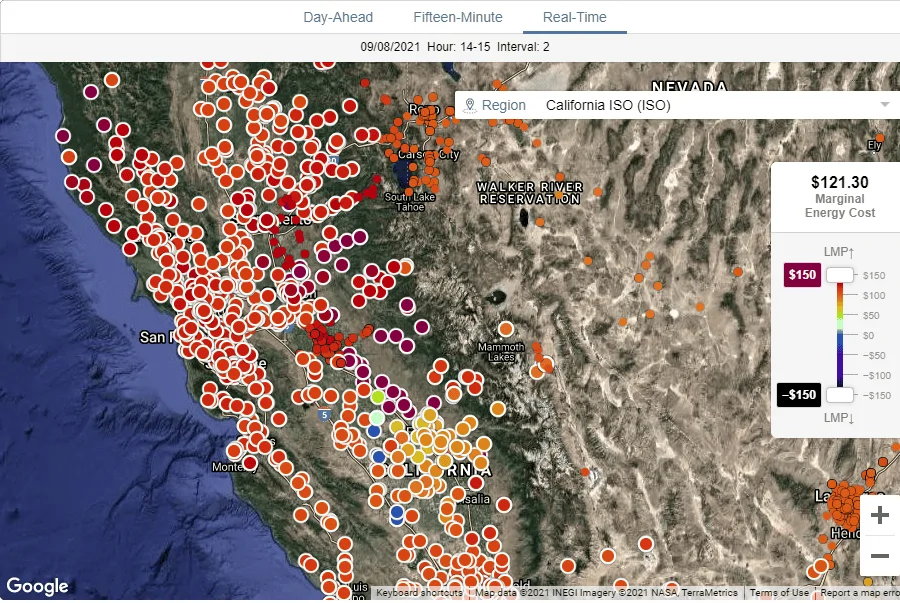
The issue I imagine is one of scale vs proximity. By providing local power via PowerWall, transmission and loss price go down and margin goes up but at the expense of aggregation. I'm sure Tesla knows how much profit they could have earned over the last couple of years already. That's the nut of it.
There are a myriad of other issues e.g. maximizing environmentally friendly mix per mandate, all the while managing the voltage and market.
The above is all operating on the assumption that they are becoming active in the spot market or day ahead market. As far as I can tell, no announcement has been made about revenue streams.
I'm not sure who the "you" , we agree just not on the CT part.To argue is it possible, probable or too costly, that Musk will connect Tesla EV’s stored energy into his new VPP is almost comical to me. If you don’t believe hardware is being designed and tested simultaneously, to access this stored EV power, with the VPP Beta; you are ignoring how Musk operates and Musk time when unlimited funding is available.
Tesla's already have bidirectional charging, Musk has already stated Tesla is an energy company, and we are all aware how Musk operates. On the other hand, "Musk time" is something that probably shouldn't be counted on positively or negatively.

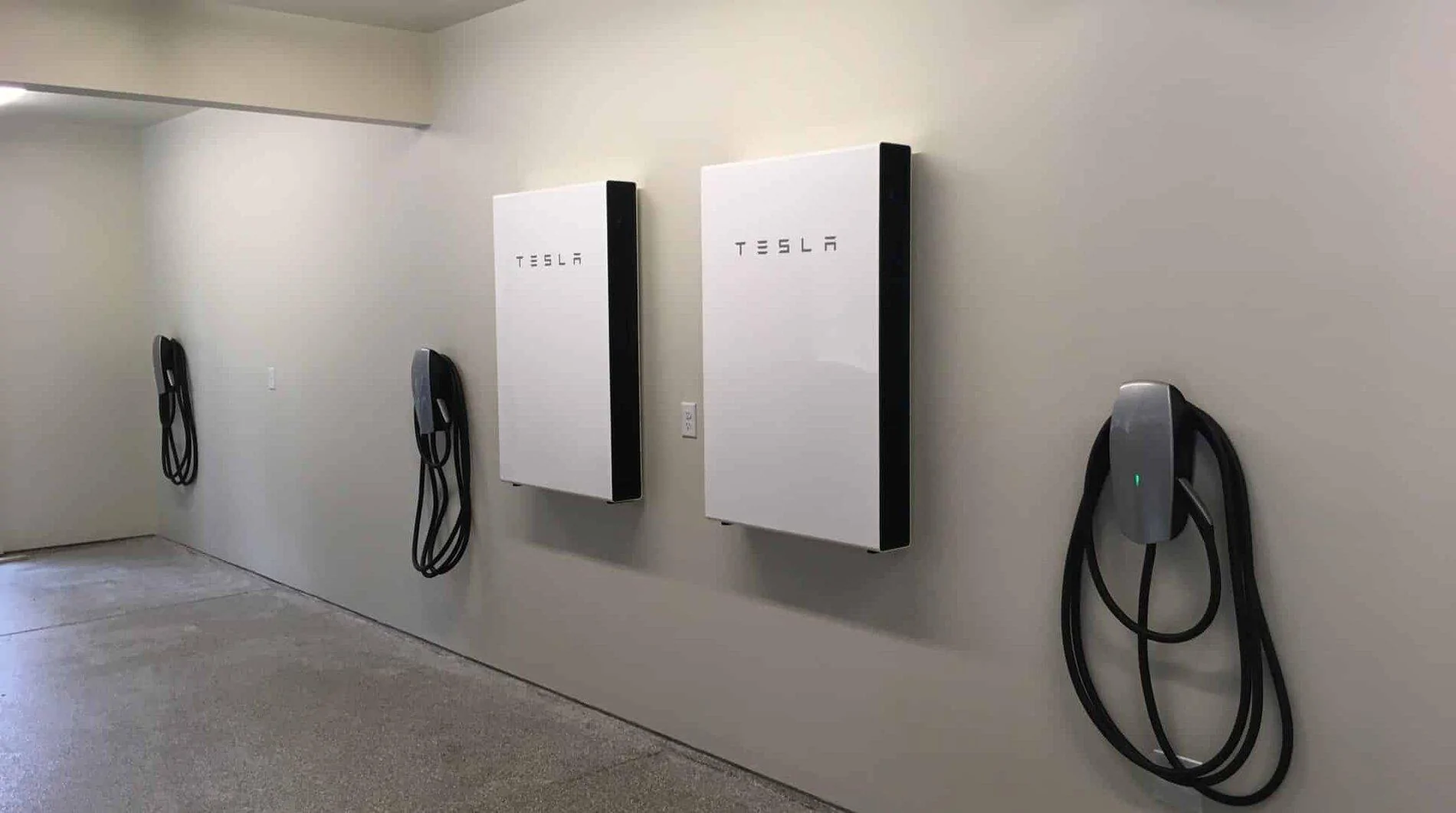
Btw, nice PowerWalls. We live in a municipal utility district and our at night rate is dirt cheap. The ROI for a PowerWall would be roughly 10 years so we passed.
Sponsored