Sponsored

cvalue13

Well-known member
Joined
Aug 17, 2022
Threads
74
Messages
7,153
Reaction score
13,769
Location
Austin, TX
Vehicles
F150L
Occupation
Fun-employed
Country flag
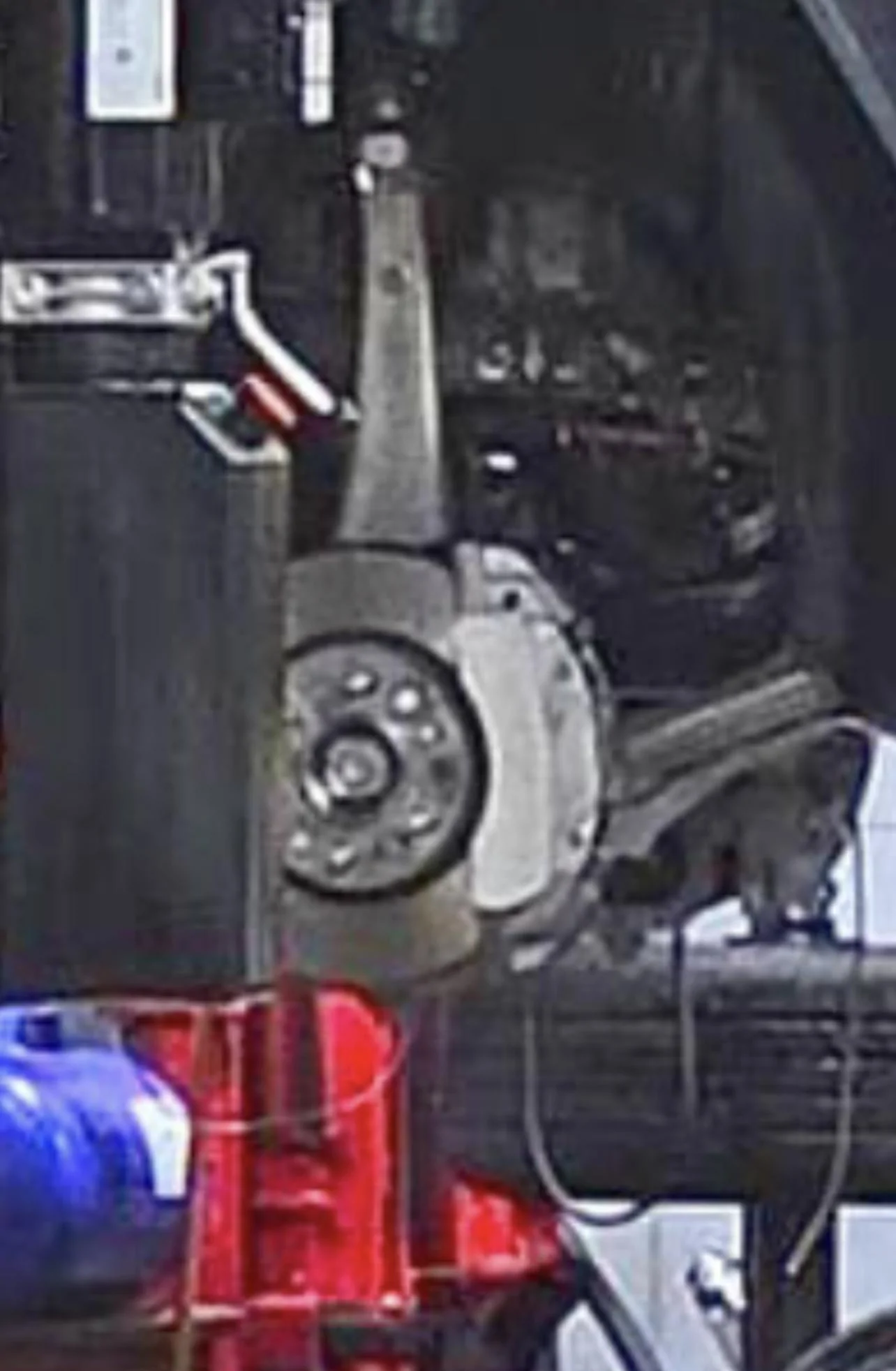
You know that is a rear caliper you're showing for the ct?
yes and it’s a totally fair point if you feel that makes the compare misleading

I was intending more regarding the disks than the calipers, and grabbed the first closeup pic in the search

so to correct that error but also better make the compare point intended
Tesla Cybertruck Cybertruck vs Lamborghini Urus: DRAG RACE 31587B46-3948-435A-A122-601FA73D5555


once we’ve seen and noted this caliper is bigger than the rear (thank you), now look at the lugs, which is the relevant compare for size.

then see:
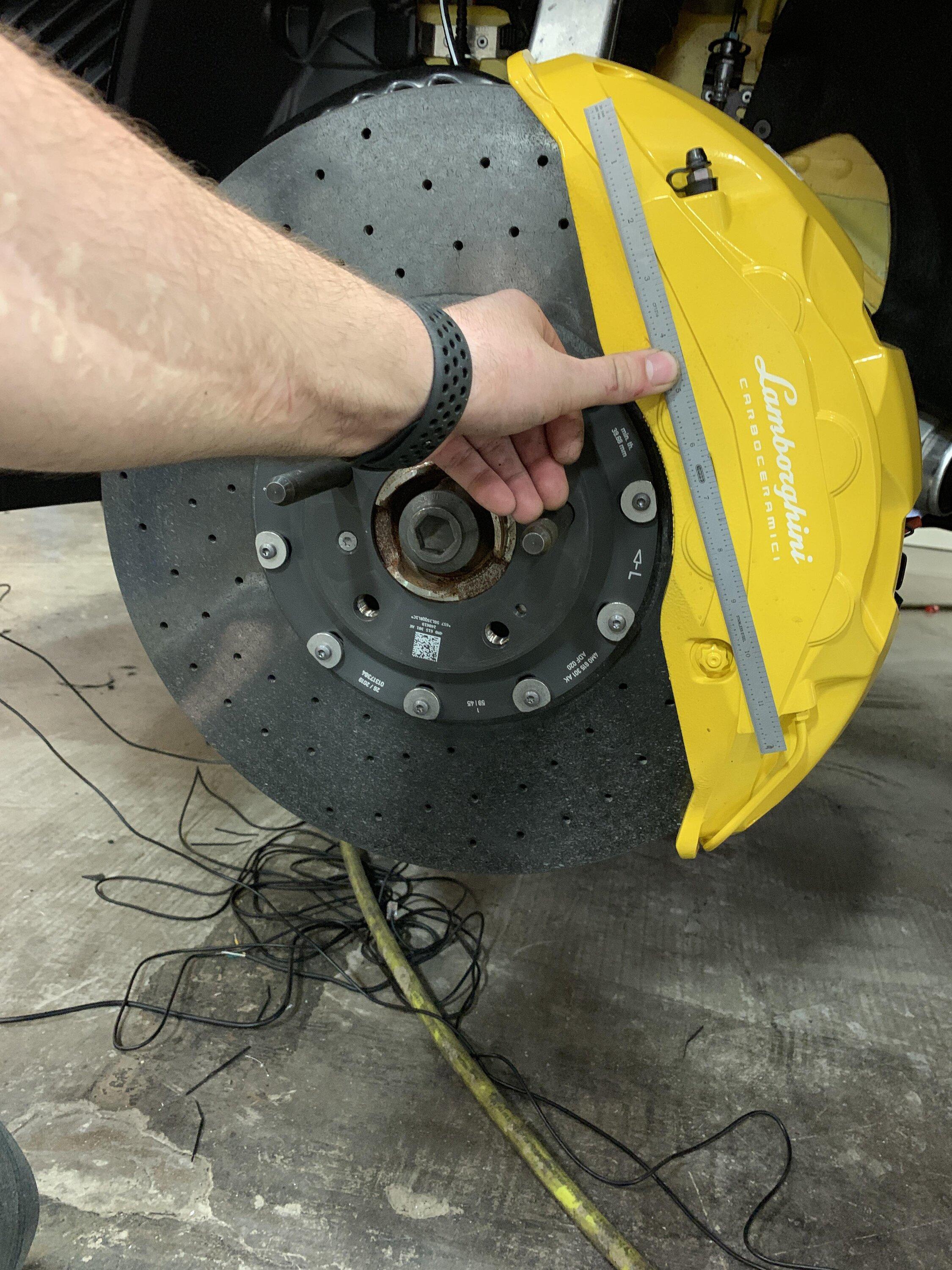
Tesla Cybertruck Cybertruck vs Lamborghini Urus: DRAG RACE D5E70327-D0A4-4DBE-94DB-4B24B2A7C9AE


and note that the CTs also appear to be some standard disk material (we sure don’t hear Tesla bellowing about their advanced brakes materials)

back to the calipers - while we don’t have a good compare of the beefiness of the CTs calipers, just have to show the Urus’s for the Tim The Toolman grunts
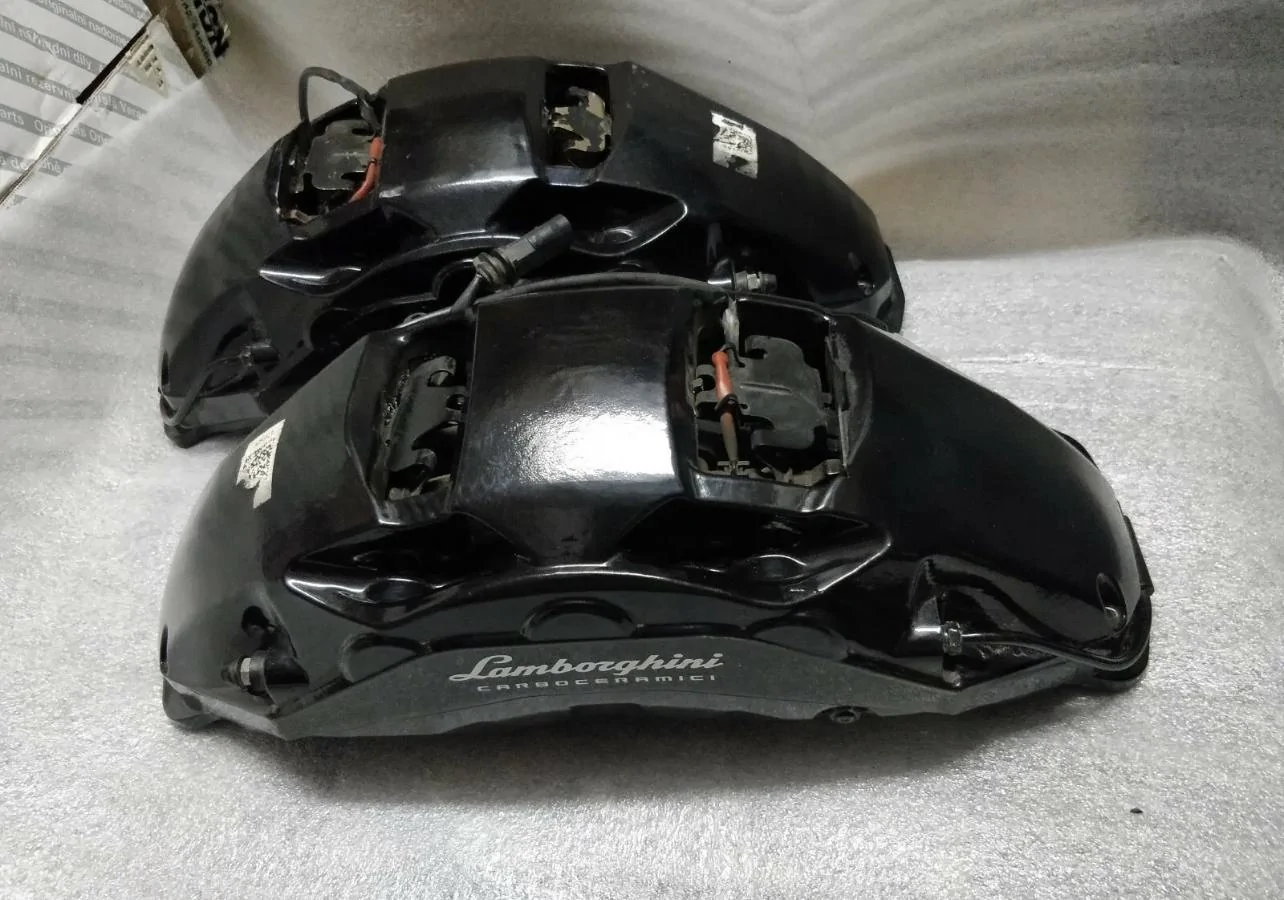
Tesla Cybertruck Cybertruck vs Lamborghini Urus: DRAG RACE E5258CE5-E30E-4339-B79D-DEC022AF03B2


The biggest diffrence between robust brakes and wimpy ones is not 70 to 0 mph distance. Its brake fade. The second and third time you try that 70 to 0 is where stopping distances become enormous.

Ct should be fine for emergency braking at speed, just dont try to do it repeatedly.

in all, I’ll admit being biased by having read a few accounts of what becomes of the Plaid’s brakes on tracks, how poorly it handles on tracks, all jaundicing my view of Tesla’s inattentive news to brakes - and that’s when it’s a car not a truck

and like the Plaid, I (obviously) get riled up at the idea of releasing a “performance” vehicle with acceleration like this, saying it’s “faster than a 911” but then having to resort to “should be ok for emergency braking just don’t do it repetitively” - all from a company that styles itself a leader in safety and “performance”

put differently, this is the “performance“ Cyberbeast Tesla is giving to media to drag alongside a eg Urus, the company itself markets using vids of dragging a 911, but then says nothing about nor appears to invest in braking tech … until it accumulates so much press for it’s brakes not experiencing just fade, but melting off to complete failure, that it later releases a $20,000 upgrade kit ($15K just for the brakes)
Sponsored


 

PilotPete

Well-known member
First Name
Pete
Joined
May 8, 2023
Threads
12
Messages
1,578
Reaction score
3,969
Vehicles
Porsche, BMW, M3LR on order
Occupation
Chief Pilot
Country flag
Without seeing and feeling the CT brakes, there are possibly many things that could be affecting the stopping distance. You CAN lock the brakes with single piston caliper. But the better the brakes, the less fade, AND the finer control you have at the limit. With smaller rotors and pads, your control at limit is course. The comments about tuning the ABS "tuning" are valid. One of the best ABS systems I've seen uses the internal reference system (laser ring gyros) for speed reference at the 1ms level, and allows the tires to turn at 99% of the speed of the IRUs. The ability to bring a large mass at a high speed down to 0 quickly is amazing. However, the system ain't cheap. In a $75M plane, it's not a big deal, in a car, no way. But it demonstrates how well the ABS can assist in stopping in the dry. It used to be that you could stop faster WITHOUT ABS. Now, I would question that capability with some of these new systems.
 

JBee

Well-known member
First Name
JB
Joined
Nov 22, 2019
Threads
18
Messages
4,913
Reaction score
6,362
Location
Australia
Vehicles
Cybertruck
Occupation
. Professional Hobbyist
Country flag
yes and it’s a totally fair point if you feel that makes the compare misleading

I was intending more regarding the disks than the calipers, and grabbed the first closeup pic in the search

so to correct that error but also better make the compare point intended

31587B46-3948-435A-A122-601FA73D5555.jpeg


once we’ve seen and noted this caliper is bigger than the rear (thank you), now look at the lugs, which is the relevant compare for size.

then see:

D5E70327-D0A4-4DBE-94DB-4B24B2A7C9AE.jpeg


and note that the CTs also appear to be some standard disk material (we sure don’t hear Tesla bellowing about their advanced brakes materials)

back to the calipers - while we don’t have a good compare of the beefiness of the CTs calipers, just have to show the Urus’s for the Tim The Toolman grunts

E5258CE5-E30E-4339-B79D-DEC022AF03B2.jpeg


in all, I’ll admit being biased by having read a few accounts of what becomes of the Plaid’s brakes on tracks, how poorly it handles on tracks, all jaundicing my view of Tesla’s inattentive news to brakes - and that’s when it’s a car not a truck

and like the Plaid, I (obviously) get riled up at the idea of releasing a “performance” vehicle with acceleration like this, saying it’s “faster than a 911” but then having to resort to “should be ok for emergency braking just don’t do it repetitively” - all from a company that styles itself a leader in safety and “performance”

put differently, this is the “performance“ Cyberbeast Tesla is giving to media to drag alongside a eg Urus, the company itself markets using vids of dragging a 911, but then says nothing about nor appears to invest in braking tech … until it accumulates so much press for it’s brakes not experiencing just fade, but melting off to complete failure, that it later releases a $20,000 upgrade kit ($15K just for the brakes)
Yep exactly.

This is disproportionally out of balance.

Note that the grey iron brake discs that Tesla uses, are not that bad in comparison to ceramic or CF. Their main benefits are smaller size and lower weight for reducing unsprung weights, and for better repeatable performance over long periods of peak use on a track, which is fairly meaningless in a heavy truck, unless you are towing and going downhill a lot. This is where regen should help a fair bit as it also reduce brake temperature. Like driving down Pikes peak using your engine as a brake.

There is nothing stopping the CT having a larger iron disc, even a inch or two would be a huge performance increase, along with a decent set of calipers. But that doesn't mean that this is the only possible cause for the poor performance. There is no doubt in my mind that they "could" do better, even with iron brake rotors.

My question is why they are allowing people to test it in their back lot, with crap laying around all the way along the test strip they could crash into, and then with poorly setup brakes to boot. Instead of at least letting them take it to an actual drag strip up the road and test in relative safety in comparison? A whole bunch of poor choices can quickly lead to something serious happening, and tainting the whole thing even more.

You'd think Tesla is run by some cowboy in Texas....

(lol sorry couldn't resist. But at least our "Stock-men" aren't "boys" riding "cows"! ? )

Tesla Cybertruck Cybertruck vs Lamborghini Urus: DRAG RACE 4aa0639bb5d9fd1174c9a72d93b8df29
 

JBee

Well-known member
First Name
JB
Joined
Nov 22, 2019
Threads
18
Messages
4,913
Reaction score
6,362
Location
Australia
Vehicles
Cybertruck
Occupation
. Professional Hobbyist
Country flag
Without seeing and feeling the CT brakes, there are possibly many things that could be affecting the stopping distance. You CAN lock the brakes with single piston caliper. But the better the brakes, the less fade, AND the finer control you have at the limit. With smaller rotors and pads, your control at limit is course. The comments about tuning the ABS "tuning" are valid. One of the best ABS systems I've seen uses the internal reference system (laser ring gyros) for speed reference at the 1ms level, and allows the tires to turn at 99% of the speed of the IRUs. The ability to bring a large mass at a high speed down to 0 quickly is amazing. However, the system ain't cheap. In a $75M plane, it's not a big deal, in a car, no way. But it demonstrates how well the ABS can assist in stopping in the dry. It used to be that you could stop faster WITHOUT ABS. Now, I would question that capability with some of these new systems.
All depends on your surface conditions. Coefficient goes down to 0.4 for rain, 0.02 for ice. At that point having better brakes is meaningless. On a dry road locking the brakes typically gives the best results, but also ruins the tyre in the process.

They can easily feed back the motor position into the ABS for exact by fraction of degree wheel position. I'm sure they do this already, so this won't improve it much if at all.

The question here is more why they are letting a thing accelerate nearly faster than it can decelerate. Just looks like a general safety concern if this is the case on a production vehicle.
I hope they fix it ASAP, for everyone that is driving one.
 

JBee

Well-known member
First Name
JB
Joined
Nov 22, 2019
Threads
18
Messages
4,913
Reaction score
6,362
Location
Australia
Vehicles
Cybertruck
Occupation
. Professional Hobbyist
Country flag
Even with the same brakes as the lambo, stopping distances will suffer due to CT weight.

I had ceramic disks on my GT3 and f430. They were something like 12k just for the disks and you can't really track them because of the costs. Track guys use steel disks because with aggressive pads, you need something more disposable. And i didn't particularly like them on the street because they didn't feel or perform well when cold.

Unless you want to track a CT, which is not the best platform for that, brakes something like that come on the F350 should be very adequate.
The caliper in your pic does look robust and may just need slightly more agressive pads to lower braking distance. I really think it will be fine for what it is.
Mass isn't even used in calculating braking distance, even though it does impact the final coefficient as does the tyres, and road surface and conditions etc.

https://www.calctool.org/dynamics/stopping-distance


PilotPete

Well-known member
First Name
Pete
Joined
May 8, 2023
Threads
12
Messages
1,578
Reaction score
3,969
Vehicles
Porsche, BMW, M3LR on order
Occupation
Chief Pilot
Country flag
All depends on your surface conditions. Coefficient goes down to 0.4 for rain, 0.02 for ice. At that point having better brakes is meaningless. On a dry road locking the brakes typically gives the best results, but also ruins the tyre in the process.

They can easily feed back the motor position into the ABS for exact by fraction of degree wheel position. I'm sure they do this already, so this won't improve it much if at all.

The question here is more why they are letting a thing accelerate nearly faster than it can decelerate. Just looks like a general safety concern if this is the case on a production vehicle.
I hope they fix it ASAP, for everyone that is driving one.
I'm not sure the ratio of acceleration to deceleration has anything to do with safety. Let's say you slow the CT with a 0-60 of 12 seconds. A car quickly stops on the freeway ahead of you. You either left enough follow room or you didn't. You've been driving at 75 for the past 20 minutes. ALL that matters to you is, how quickly do you hit the brakes, and do you have enough room to allow for the delta deceleration. Now, would I like to see the CT with better stopping distances? Heck yeah!
 

JBee

Well-known member
First Name
JB
Joined
Nov 22, 2019
Threads
18
Messages
4,913
Reaction score
6,362
Location
Australia
Vehicles
Cybertruck
Occupation
. Professional Hobbyist
Country flag
The point was it should never be the other way around, that you should never be able to accelerate faster than you can brake.

Braking should happen at max rate at all times regardless of acceleration. There's little money involved to do so so why spend all that money on crash testing, all just to hit wall with more force?

This is doubly so if you have autopilot watching your every move already in preparation to make an electronic emergency stop for you.

Much rather not hit anything, than hit it at 30mph or much more depending on how much space I have left, just because they skimped on the brake config.

The priority is all wrong if this really is retail delivery spec. Which I seriously hope it's not.
 

SolarWizard

Well-known member
First Name
MB
Joined
Nov 18, 2020
Threads
22
Messages
1,255
Reaction score
2,202
Location
San Diego
Vehicles
AWD
Occupation
solar, DCFC & battery biz owner
Country flag
The biggest diffrence between robust brakes and wimpy ones is not 70 to 0 mph distance. Its brake fade. The second and third time you try that 70 to 0 is where stopping distances become enormous.

Ct should be fine for emergency braking at speed, just dont try to do it repeatedly.
Emergency stopping and towing downhill have a lot of similarities depending on grade and load behind. I think we all understand that regen will reduce the number of brake applications vs a standard ice truck but when SHTF a vehicle called cyberbeast should certainly slow down at least as fast as it speeds up
 

SentinelOne

Well-known member
First Name
Jason
Joined
Dec 18, 2019
Threads
48
Messages
1,434
Reaction score
1,860
Location
Colorado
Vehicles
See Sig
Occupation
IT
Country flag
That would be very useful on a racetrack but it wouldn't stop the truck any faster in an emergency stop because the limiting factor is the coefficent of friction of the tires on the pavement.
I still like big Brembo brakes like 5 of my vehicles have...modulation, feel, temp resistance, etc also count
 

HaulingAss

Well-known member
Joined
Oct 3, 2020
Threads
28
Messages
10,329
Reaction score
20,750
Location
Western Washington, USA
Vehicles
Cybertruck DM, 2010 F-150, 2018 Performance Model 3, 2024 Performance Model 3
Country flag
I still like big Brembo brakes like 5 of my vehicles have...modulation, feel, temp resistance, etc also count
I'm not saying there is no reason to like bigger brakes for more aggressive driving, I'm saying they won't stop a vehicle with anti-lock brakes any faster in a single emergency stop like we saw in the video.

A lot of people are under the mistaken impression that bigger, stronger brakes can magically give their tires a higher coefficient of friction on the pavement and help them stop faster during emergencies. Which of course is false.
Sponsored


Top