
TyPope
Well-known member
- First Name
- Ty
- Joined
- Mar 31, 2020
- Threads
- 33
- Messages
- 3,212
- Reaction score
- 4,926
- Location
- Chesapeake Beach, MD
- Vehicles
- '23 MYLR, FS Cyberbeast 280xx
- Occupation
- Current Operations for... an organization

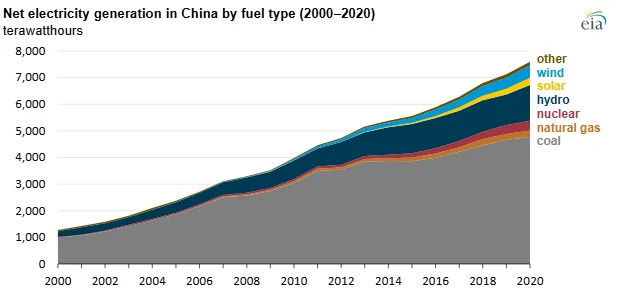
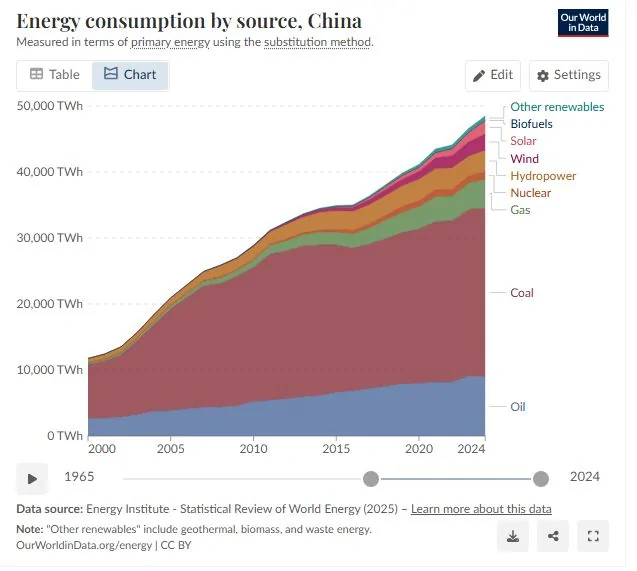
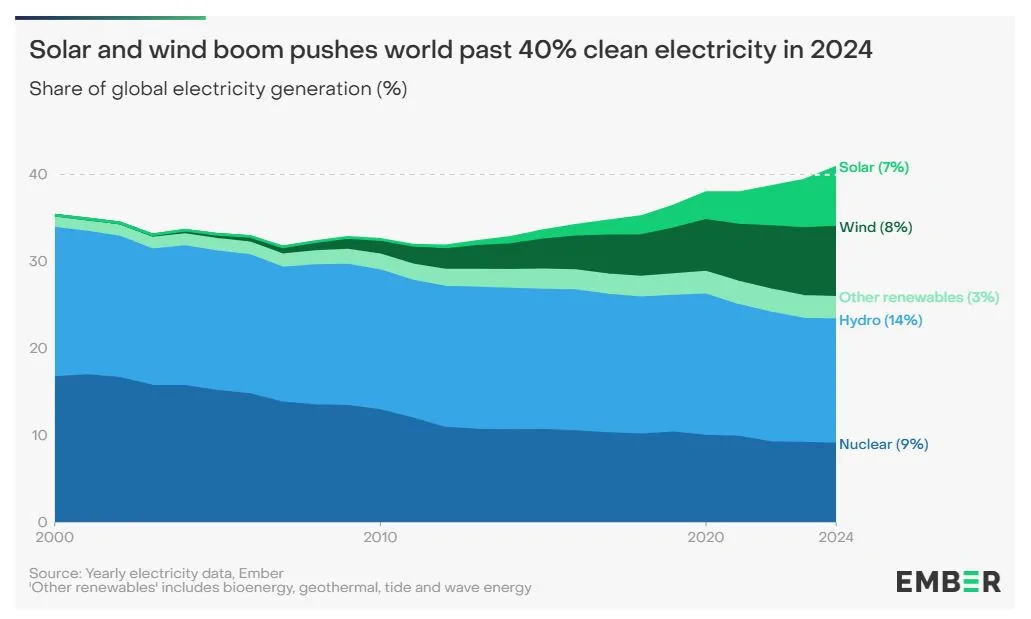
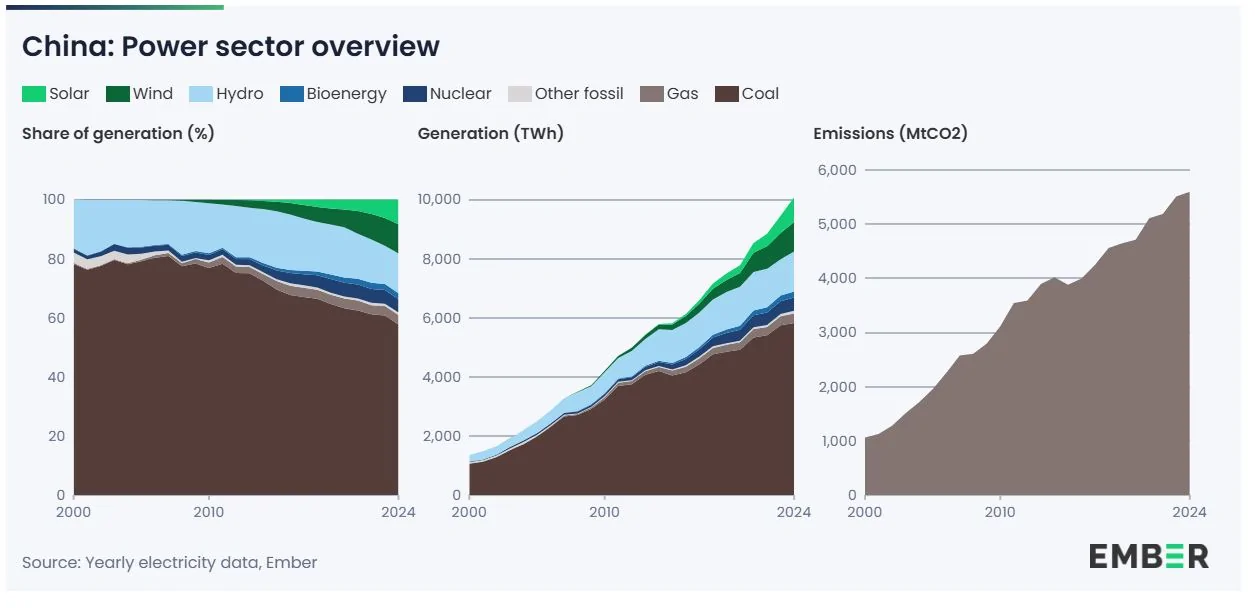
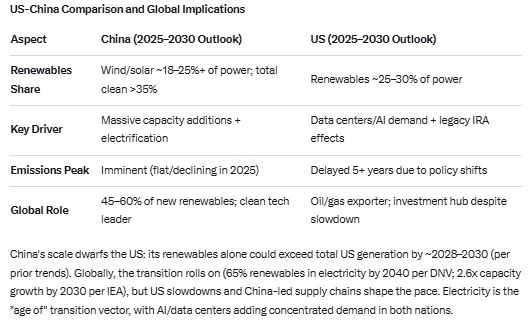
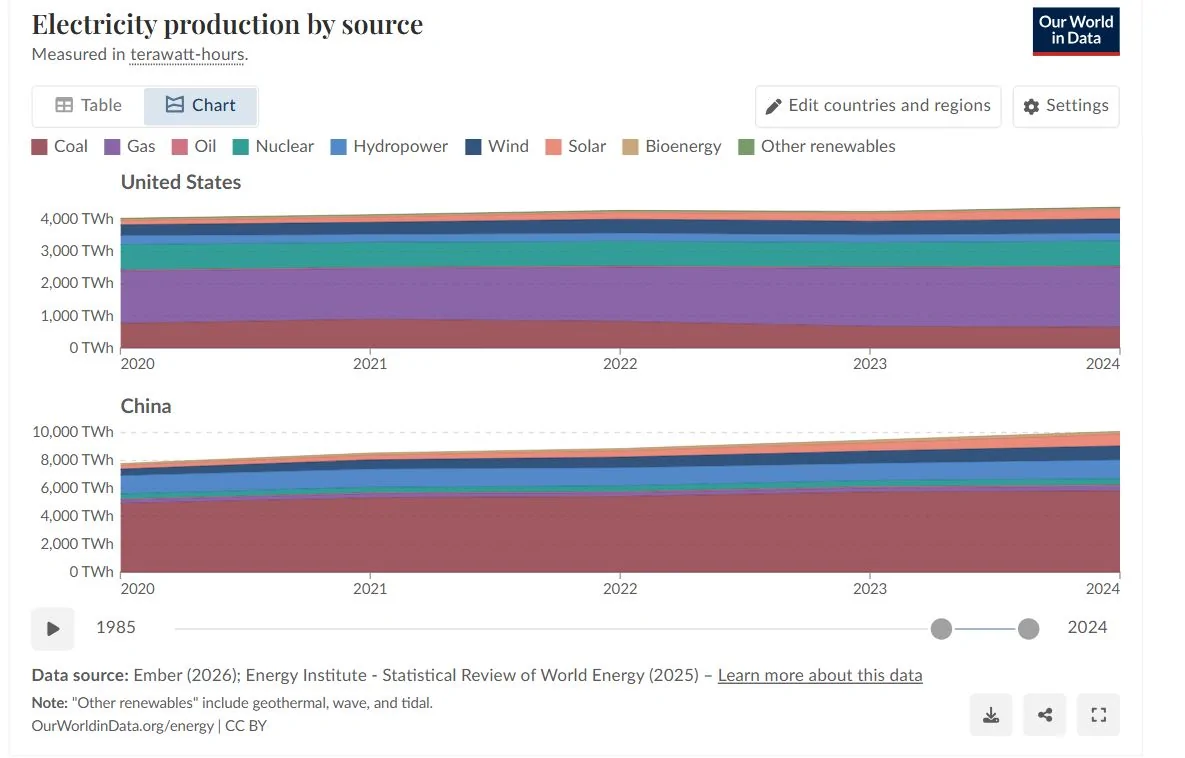
Interesting read. Thank you. I wasn't trying to insinuate that solar was replacing their coal production but just meant it is increasingly taking on some of the burden.The percent of total is a meaningless stat. The fact is that China is still building massive amounts of new coal plants, and that's what matters in the end because of how long they last, and the lack of grid - it is how the actual power that is being used everyday is made, with INCREASING dependency thereon. Those newly built plants aren't going anywhere for many decades. I saw it with my own eyes, by the hundreds in my trip, by the thousands overall. You are using the gross power production capacity numbers to support the idea that their renewables are increasingly even more significant - but that is a misleading number because most of the renewable power cannot be and is not used where it is needed most, due to the lack of grid connection.
You are correct that the middle class is the story - one of the most amazing stories in the history of humankind. In 1990 only 3% of the the country was middle class by western standards. By 2020 more than half was middle class (over 600 million people), and by 2030, less than four years from now, it will be well over 80%. Today the Chinese middle class (again, by western standards - kids through college, two cars) stands at more than double the entire U.S. population.
More than 90% of Chinese families own their own homes, and many own more than one. This change from peasantry to blue collar and manufacturing employment, with the concomitant change in wealth, is the most amazing and rapid change in human living conditions ever - not well understood in the west, but simply fact. We tend to psychologically suppress these facts because of the system and politics, much of which is also mis-perceived outside the country. It really takes getting on the ground to see how entrepreneurial the people have become, relying on themselves for success, and little on the state. There is a very limited and regionally inconsistent social security and unemployment benefit system by western standards. This isn't well understood in the west, where we have a perception that communism creates a nanny state - that's the European style of socialism - in China it pretty much every person for themselves compared to much of the world - family support is far more important than state support.
Chinese politics is a mess, but in reality does not affect how most people live their daily lives. They are travelling more, especially internationally. I've never met a Chinese person who has travelled as much inside China as my wife and I have, and they are often amazed when we show them our motorcycle travels. China has good internet connectivity and mobile service everywhere, no matter how remote, albeit you need a VPN to use google or facebook there, also true in Russia.
Many Chinese students are increasingly being educated in western institutions. Over the past ten years, more than half my students at the JHU Carey Business School have been Chinese - I've gotten to know many, and they are often very aware of the external views that westerners have of China, and have their own fairly blunt assessment of the risks and issues in their homeland. These views have a fairly wide perspective, similar to our political divisions in the U.S. - not the single-minded monolithic assumptions than many westerners apply to the supposed Chinese state-compliant-population - they can be independent thinkers and are often more creative than we in the west tend to believe.
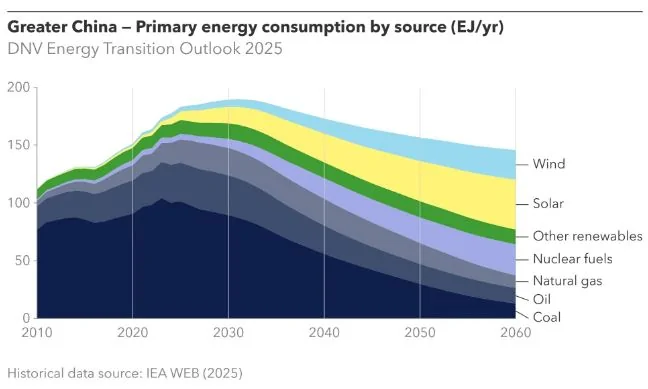
Circling this back to power, there's a reason they've needed massive increases in new power - and it's mostly good. But it is the single largest factor that also degrades life quality in China. Air pollution pervades all parts of the country - every town and city. The current policies there are window dressing to worldwide demand for reduced dependency on fossil fuels. And that's all it is - the renewables are big and growing, but not much used, and the fact is that EVERY day they increase their total usage of fossil fuels if not the percentage - because there is no workable alternative. It was depressing to see in person, and overwhelming to me given our trip that went to every part of the country, so we saw just how entrenched and growing this dependence on coal has become, mostly in just the past 30 years. Most every day while riding we went through multiple towns or cities - and in every case it was the same pattern - we would ride out of the smoke cloud where everyone lives, across cleaner open air, toward the next town and its smoke cloud, repeat.
Some areas are too far north for solar to work (just as solar doesn't work in Norway or Alaska), and others are too far away from the hydro production - or they have no grid so the local leaders build a couple more coal plants - because that's what they have in abundance. I don't know what the answer will be, but clearly the west is not the problem with respect to fossil fuels, and even if we completely terminated all use of fossil fuels, the rest of the world would still use more than are burned today, with the trend line still heading up. It is a rock and hard place conundrum.
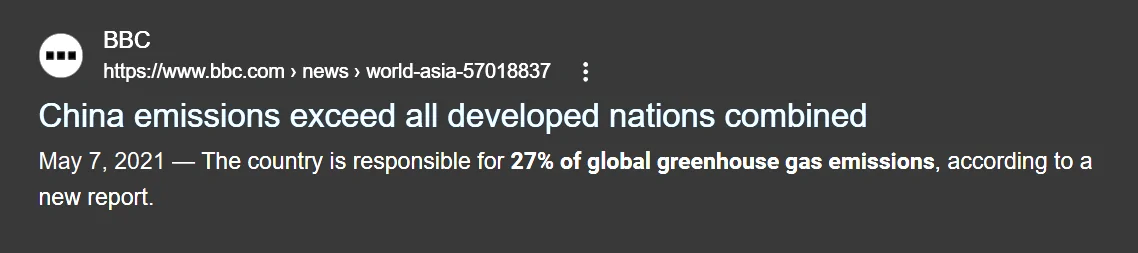
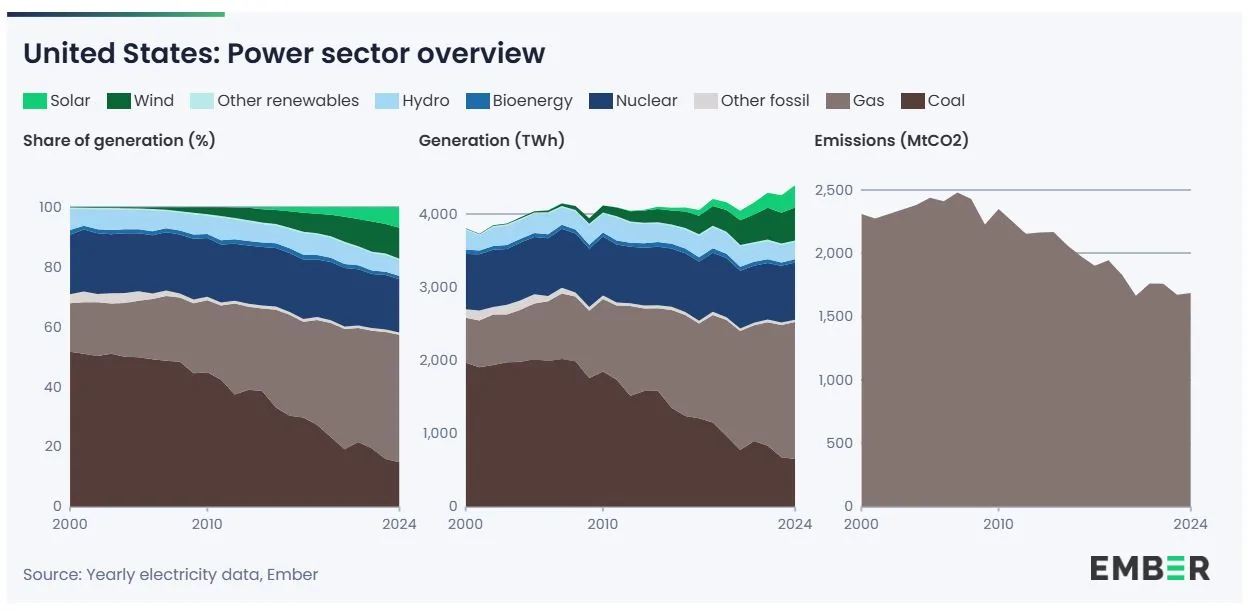
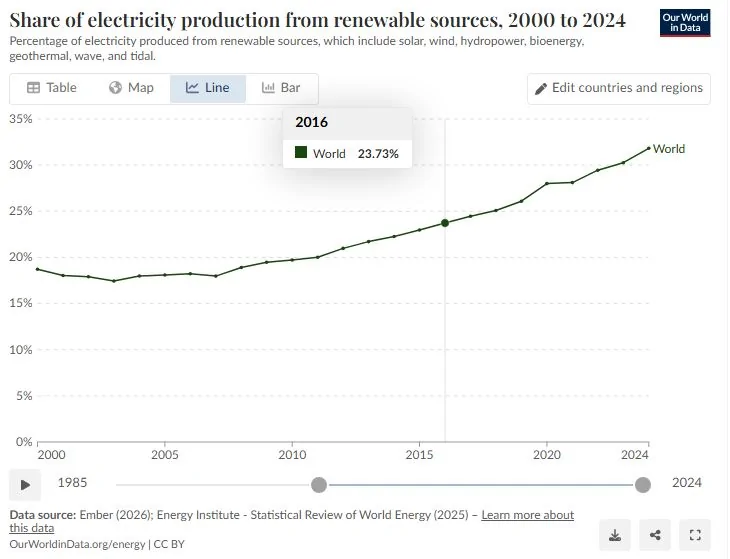
The cold hard facts are that virtually everything we do in the U.S. with respect to reducing fossil fuel dependency is nearly meaningless trivia in the big picture. All that is said as a person with two Teslas, 83 kwh of solar panel production, and a carbon-neutral oyster aquaculture farm - when our lib friends congratulate us on being socially conscious, I reply that all those lifestyle facts are 100% meaningless BS despite being a good story. Because what's going on in China far eclipses everything we do here and in Europe to reduce fossil fuel usage.
Sponsored




 Dumb, dumb, dumb, dumb, dumb.