
Sponsored
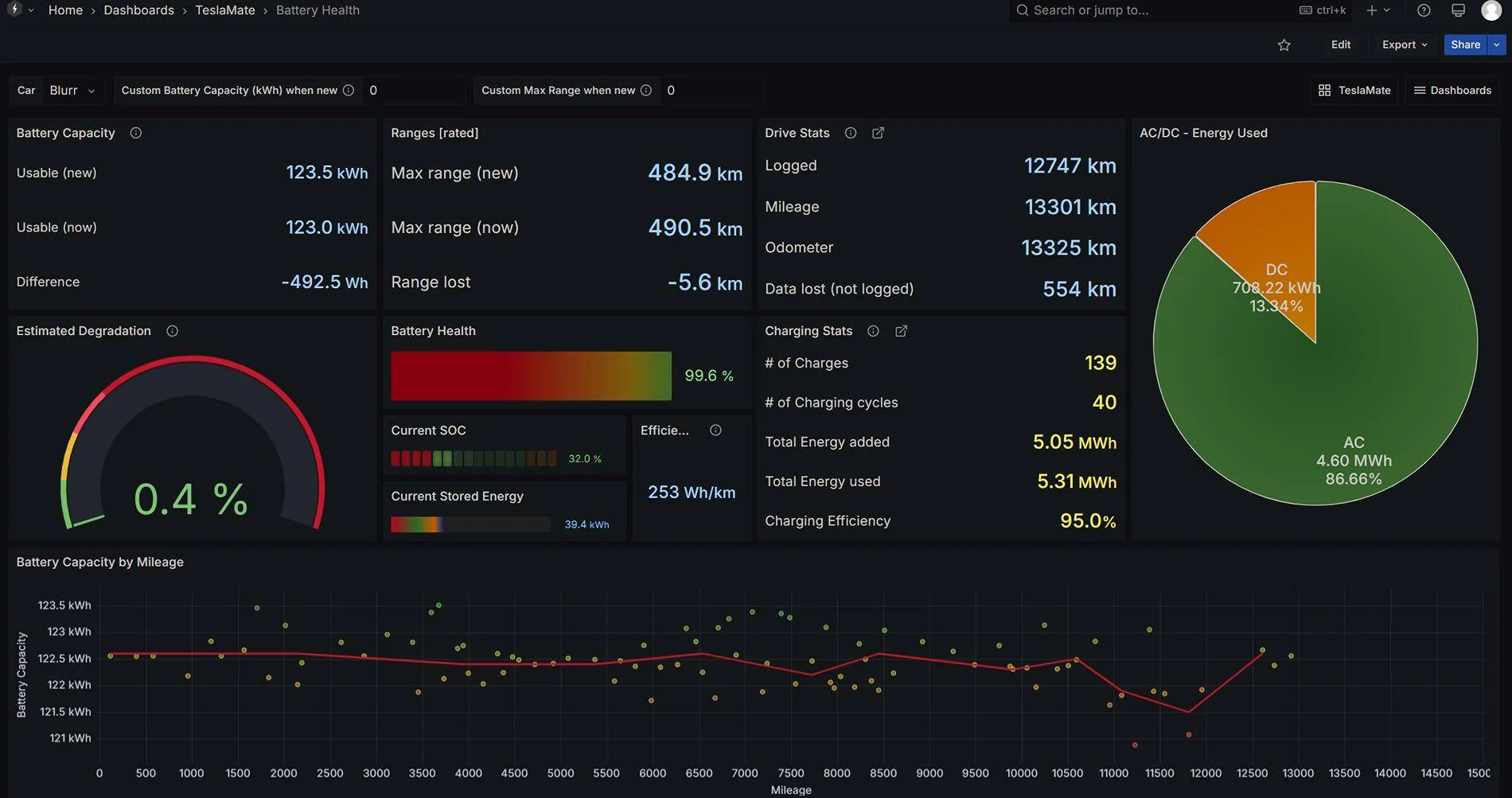
Cybertruck Battery Degradation after 11-months, 29,000-miles is still 0%
- Thread starter thecybertruckguy
- Start date
- Watchers 28

BrockN
Well-known member
- First Name
- Brock
- Joined
- Jan 1, 2025
- Threads
- 7
- Messages
- 413
- Reaction score
- 621
- Location
- Kamloops BC Canada
- Vehicles
- '24 FS Cybertruck, '23 MY, '15 MS
- Occupation
- Engineer

Bend over and cough... ?


Jager
Well-known member
- First Name
- Jeff
- Joined
- May 25, 2020
- Threads
- 25
- Messages
- 346
- Reaction score
- 1,098
- Location
- Virginia
- Vehicles
- 2024 Cybertruck AWD, 2022 Model 3 LR AWD

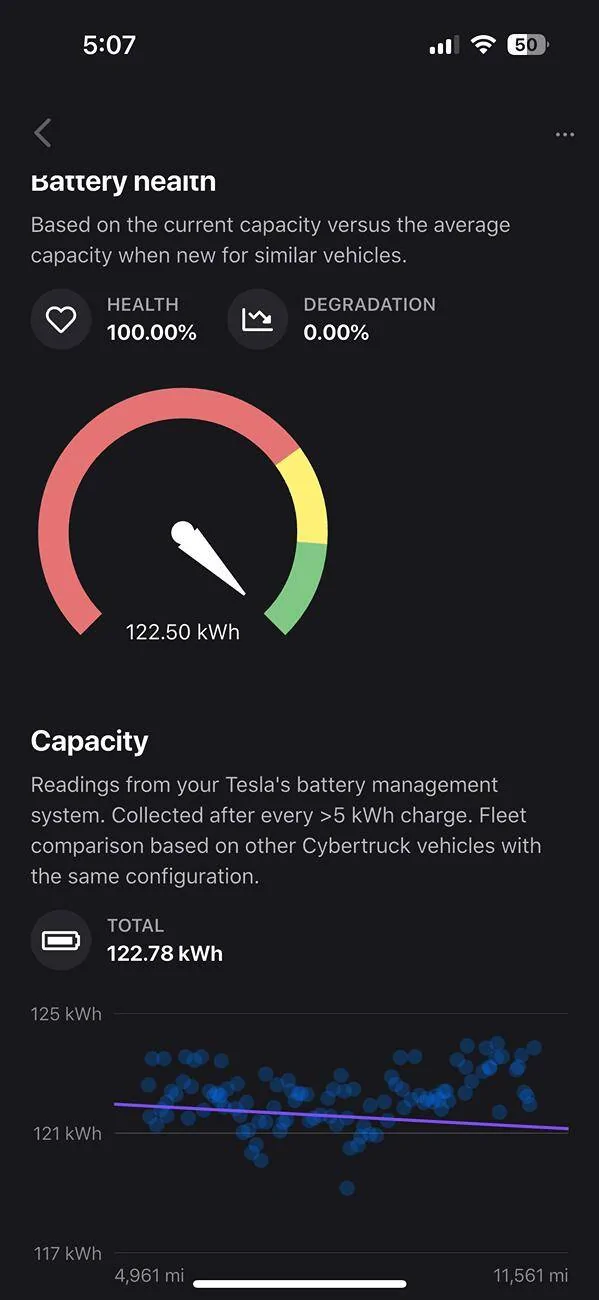
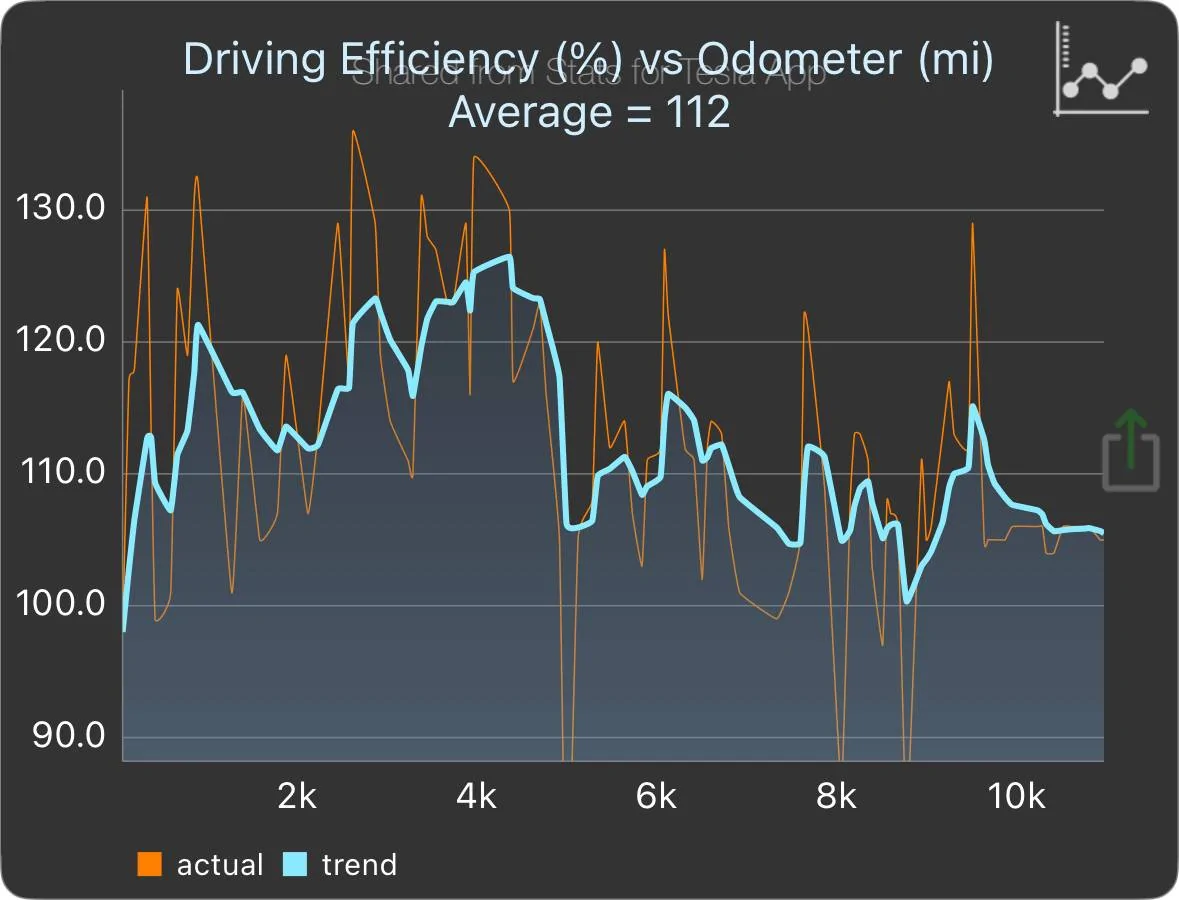
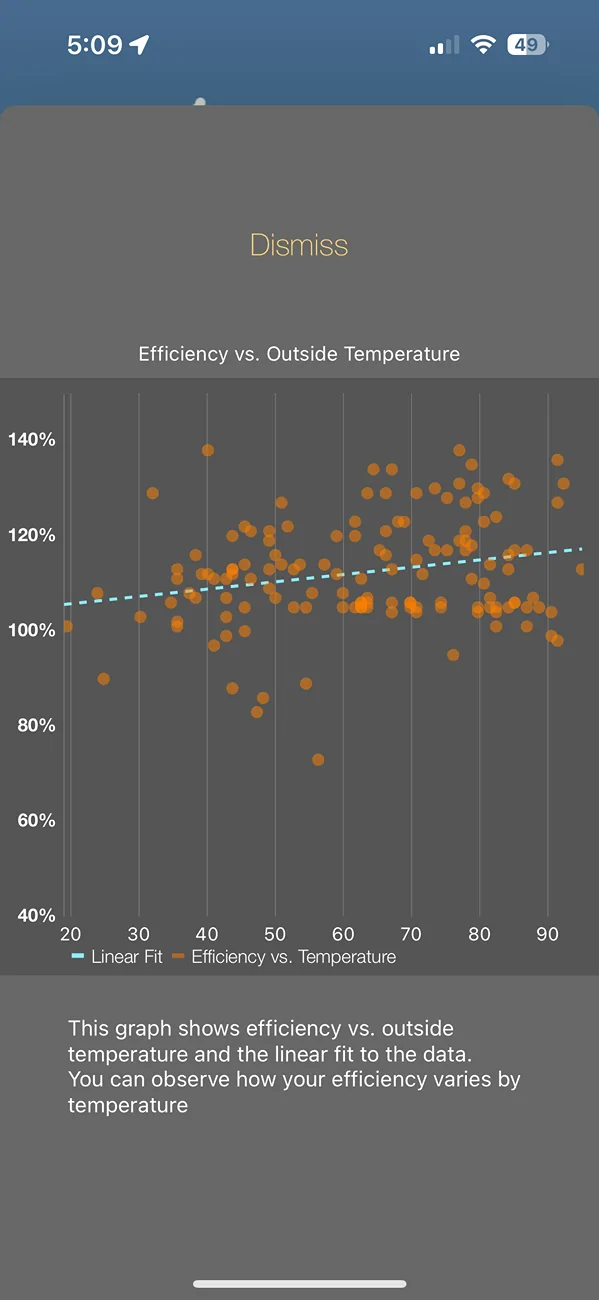
I'm a month behind the OP - ten months and 11,000 miles. But, likewise, no degradation being reported at present.
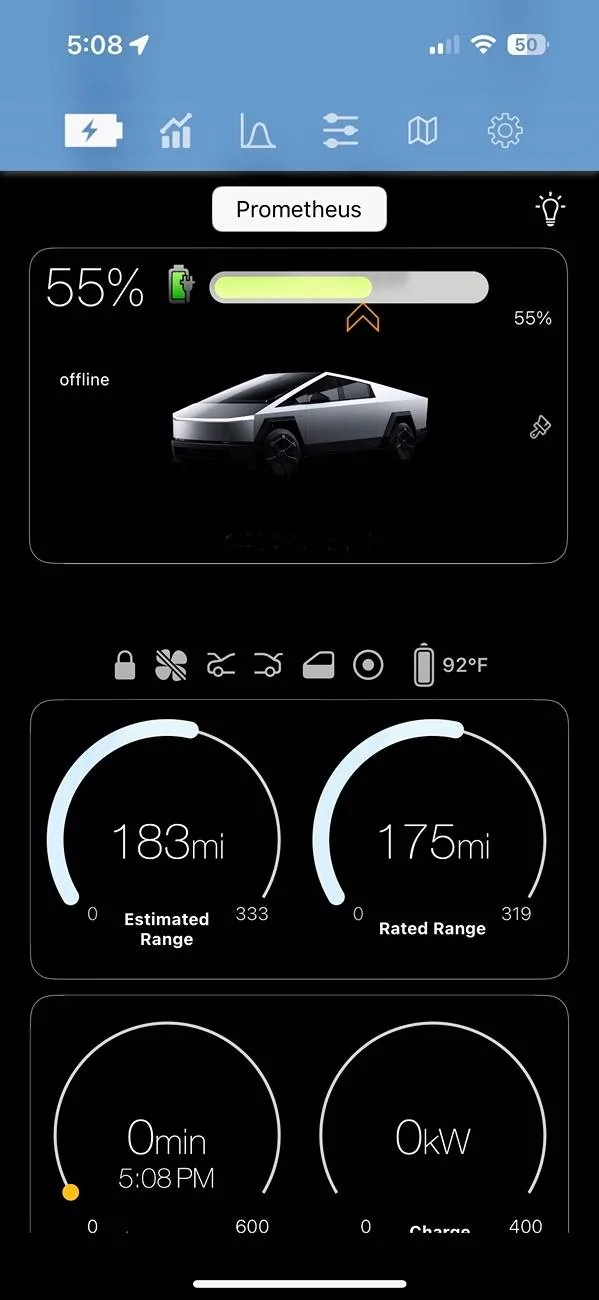
I also see impressive efficiency. A clear dip during the winter. And also with my monthly mini road trip (200 high speed miles) to Richmond for a rifle match. But even with those I consistently beat the EPA bogey.
Super impressive vehicle!
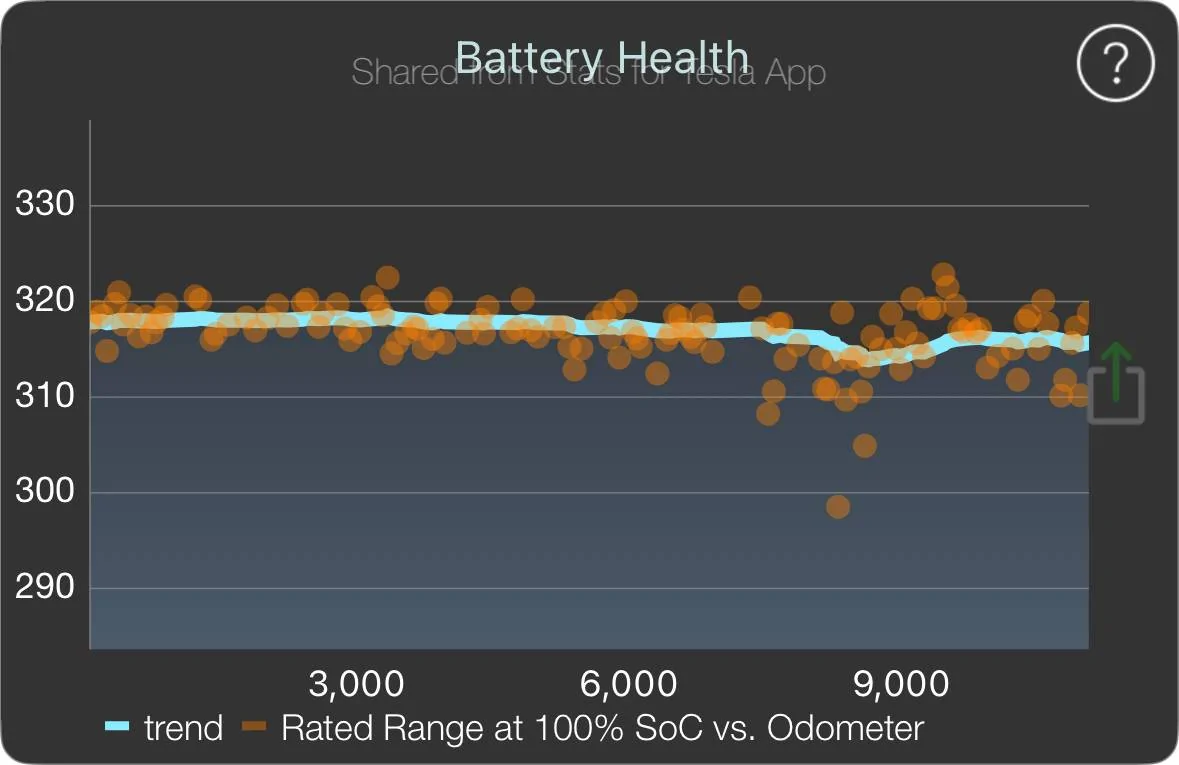
(Snapshots below taken today)


I also see impressive efficiency. A clear dip during the winter. And also with my monthly mini road trip (200 high speed miles) to Richmond for a rifle match. But even with those I consistently beat the EPA bogey.
Super impressive vehicle!
(Snapshots below taken today)

Gigahorse
Well-known member
Something is definitely off
Either Tesla has had some amazing battery breakthrough that no one has leaked and they have not announced or the CT battery system is not reporting correctly through the service mode test or third party apps.
30+ vehicles all with 20,000+ miles on them, all showing less than 1% battery degradation, not a single one showing more than 1% battery degradation
Compared to ALL other EVs and other Teslas this would be a massive leap forward in degradation reduction.
My guess is an issue with the battery capacity reporting and range calculation.
Either Tesla has had some amazing battery breakthrough that no one has leaked and they have not announced or the CT battery system is not reporting correctly through the service mode test or third party apps.
30+ vehicles all with 20,000+ miles on them, all showing less than 1% battery degradation, not a single one showing more than 1% battery degradation
Compared to ALL other EVs and other Teslas this would be a massive leap forward in degradation reduction.
My guess is an issue with the battery capacity reporting and range calculation.
SCTesla
Well-known member
- Joined
- Jun 11, 2024
- Threads
- 6
- Messages
- 2,510
- Reaction score
- 3,732
- Location
- USA
- Vehicles
- 22 Model S, 24 CT
Maybe..or the slower charging speeds and conservative degree Tesla has treated the battery, including cooling/degradation in cold temps has paid off.Something is definitely off
Either Tesla has had some amazing battery breakthrough that no one has leaked and they have not announced or the CT battery system is not reporting correctly through the service mode test or third party apps.
30+ vehicles all with 20,000+ miles on them, all showing less than 1% battery degradation, not a single one showing more than 1% battery degradation
Compared to ALL other EVs and other Teslas this would be a massive leap forward in degradation reduction.
My guess is an issue with the battery capacity reporting and range calculation.
Gigahorse
Well-known member
Battery better last a million miles if it takes me an hour at a supercharger......Maybe..or the slower charging speeds and conservative degree Tesla has treated the battery, including cooling/degradation in cold temps has paid off.
Wondering when our 500w charging we were promised months ago will come online or the charge curve will improve.
txtravwill
Well-known member
- First Name
- Travis
- Joined
- Apr 25, 2024
- Threads
- 7
- Messages
- 520
- Reaction score
- 615
- Location
- Marble Falls, TX
- Vehicles
- Tesla, BMW, Ford
My 100% still says 318. I mean, it won't get that when actually driving though.

dalton108
Well-known member
- First Name
- Dalton
- Joined
- Oct 17, 2020
- Threads
- 132
- Messages
- 4,068
- Reaction score
- 8,206
- Location
- USA
- Vehicles
- ‘24 FS/CB; ‘24 MX; ‘23 MS PLAID (Prior: ‘20-MY; ‘21-M3P) (Also: ‘14-FJ; ‘21-C8)
- Occupation
- Lawyer
Correct. Non-possible.Something is definitely off
Either Tesla has had some amazing battery breakthrough that no one has leaked and they have not announced or the CT battery system is not reporting correctly through the service mode test or third party apps.
30+ vehicles all with 20,000+ miles on them, all showing less than 1% battery degradation, not a single one showing more than 1% battery degradation
Compared to ALL other EVs and other Teslas this would be a massive leap forward in degradation reduction.
My guess is an issue with the battery capacity reporting and range calculation.
dalton108
Well-known member
- First Name
- Dalton
- Joined
- Oct 17, 2020
- Threads
- 132
- Messages
- 4,068
- Reaction score
- 8,206
- Location
- USA
- Vehicles
- ‘24 FS/CB; ‘24 MX; ‘23 MS PLAID (Prior: ‘20-MY; ‘21-M3P) (Also: ‘14-FJ; ‘21-C8)
- Occupation
- Lawyer
This is because you guys just don’t understand. This is all about what question is being asked.Battery better last a million miles if it takes me an hour at a supercharger......
Wondering when our 500w charging we were promised months ago will come online or the charge curve will improve.
Query: Is it a battery?
Answer: 100%?
Jager
Well-known member
- First Name
- Jeff
- Joined
- May 25, 2020
- Threads
- 25
- Messages
- 346
- Reaction score
- 1,098
- Location
- Virginia
- Vehicles
- 2024 Cybertruck AWD, 2022 Model 3 LR AWD
Tesla packs have both a top and a bottom buffer - charge levels not accessible by the user. I'd venture the top buffer in the 4680 may simply be more generous than 2170 or 18650 cell-type packs.
Although I see some slight behavioral differences between the 4680 pack in my Cybertruck relative to the 2170 pack in my 3-year-old Model 3 - most particularly greater thermal variance in the 4680 - I don't see anything which would suggest the 4680 is better in any way beyond its greater energy density. It's certainly not a technological breakthrough.
Tesla has clearly been very conservative with the charging curve of the 4680 since its release. That could be part of the reason for the minimal degradation results so many folks are seeing. But I'd guess it's mostly down to a somewhat larger top buffer.
I've not seen anything in the Cybertruck telemetry which would suggest the BMS is misreporting anything.
Although I see some slight behavioral differences between the 4680 pack in my Cybertruck relative to the 2170 pack in my 3-year-old Model 3 - most particularly greater thermal variance in the 4680 - I don't see anything which would suggest the 4680 is better in any way beyond its greater energy density. It's certainly not a technological breakthrough.
Tesla has clearly been very conservative with the charging curve of the 4680 since its release. That could be part of the reason for the minimal degradation results so many folks are seeing. But I'd guess it's mostly down to a somewhat larger top buffer.
I've not seen anything in the Cybertruck telemetry which would suggest the BMS is misreporting anything.
espresso-drumbeat
Well-known member
Something definitely changed on Tesla's end.Something is definitely off
Either Tesla has had some amazing battery breakthrough that no one has leaked and they have not announced or the CT battery system is not reporting correctly through the service mode test or third party apps.
30+ vehicles all with 20,000+ miles on them, all showing less than 1% battery degradation, not a single one showing more than 1% battery degradation
Compared to ALL other EVs and other Teslas this would be a massive leap forward in degradation reduction.
My guess is an issue with the battery capacity reporting and range calculation.
I track my battery health myself by recording battery data via the API. After one year and a couple of months, with around 16k miles, my degradation was just over 4%, reporting 100% charge at slightly over 305 miles.
Then, after either 2025.8.4 or 2025.8.6 in April (they were released in quick succession), my car miraculously corrected its 100% charge back to 318 miles—just like new. It has been drifting down slowly since then. My current degradation is around 1.5%.
My theory is this: Tesla might have initially been overly cautious with the Cybertruck's battery, using historical fleet BMS data for battery range and charge calculations. Now, they may have corrected it after gathering more real-world data from this battery type.
Alternatively, Tesla might have released some battery buffer into user-accessible capacity, and I’m unsure how to interpret this. It could be good news if Tesla realized less buffer is needed, providing more usable range. However, it could be bad news if degradation is faster than expected, requiring additional capacity to maintain rated specs.
scottf200
Well-known member
- Joined
- Jul 31, 2021
- Threads
- 53
- Messages
- 2,221
- Reaction score
- 3,241
- Location
- Western NC
- Vehicles
- X; immed family 3 & Y
Tesla has clearly been very conservative with the charging curve of the 4680 since its release. That could be part of the reason for the minimal degradation results so many folks are seeing. But I'd guess it's mostly down to a somewhat larger top buffer.
For a few years on the Chevrolet Volt thread, I saw the same exuberance on how the batteries and mileages showed virtually no degradation. Some of us would bring reality into the plot line and suggest that the buffers were hiding it or the buffers were being used in small increments as they ages.Alternatively, Tesla might have released some battery buffer into user-accessible capacity, and I’m unsure how to interpret this. It could be good news if Tesla realized less buffer is needed, providing more usable range. However, it could be bad news if degradation is faster than expected, requiring additional capacity to maintain rated specs.
Guess what happened after a few years ... yes, a fair amount of degradation showed up ... even to trip some limits / errors to make the car require a trip to the dealer for 'resets'. GM eventually put out a software 'patch' that required a visit to the dealership (download custom chg per car to a USB and upgrade after plugging it into the car and triggering something ... IIRC). This changed some limits and maybe something else.
Degradation was there all along.
Nine_block
Active member
- Joined
- Mar 24, 2025
- Threads
- 1
- Messages
- 28
- Reaction score
- 70
- Location
- SouthEast
- Vehicles
- 24 Dual motor CT
Degradation is present in the graphs of the people here in this thread and mine as well. It’s just that our reported pack capacity is above the mean. There is a very subtle downward slope on mine even though I have “zero degradation” but only as referenced against the mean. I think that the average CT will see a flatter degradation curve than the 2170s, and potentially even the 18650s. Time will tell.For a few years on the Chevrolet Volt thread, I saw the same exuberance on how the batteries and mileages showed virtually no degradation. Some of us would bring reality into the plot line and suggest that the buffers were hiding it or the buffers were being used in small increments as they ages.
Guess what happened after a few years ... yes, a fair amount of degradation showed up ... even to trip some limits / errors to make the car require a trip to the dealer for 'resets'. GM eventually put out a software 'patch' that required a visit to the dealership (download custom chg per car to a USB and upgrade after plugging it into the car and triggering something ... IIRC). This changed some limits and maybe something else.
Degradation was there all along.
scottf200
Well-known member
- Joined
- Jul 31, 2021
- Threads
- 53
- Messages
- 2,221
- Reaction score
- 3,241
- Location
- Western NC
- Vehicles
- X; immed family 3 & Y
Time will certainly tell but all these tools are just using an "API" to get info from the "BMS" so it is telling all the tools what the results of its forumlas are saying. The 2170 and 18650 BMS forumulas are certainly more mature for those chemistries and physical makeup/sizes. Recall the 4860 versions (diff generation I know) that were put in the Model Ys and did not work out well.Degradation is present in the graphs of the people here in this thread and mine as well. It’s just that our reported pack capacity is above the mean. There is a very subtle downward slope on mine even though I have “zero degradation” but only as referenced against the mean. I think that the average CT will see a flatter degradation curve than the 2170s, and potentially even the 18650s. Time will tell.
Nine_block
Active member
- Joined
- Mar 24, 2025
- Threads
- 1
- Messages
- 28
- Reaction score
- 70
- Location
- SouthEast
- Vehicles
- 24 Dual motor CT
First Gen 4680s didn’t work out well from an energy density and DCFC standpoint, but I don’t know about their longevity. Regardless, the cyber cell is considerably different. No sense in trying go argue about info we don’t have yet. 2170s degradation has been unimpressive compared to the 18650s. I’m curious to see how the gen 2.5 4680 does but I won’t own my truck long enough to personally find out.Time will certainly tell but all these tools are just using an "API" to get info from the "BMS" so it is telling all the tools what the results of its forumlas are saying. The 2170 and 18650 BMS forumulas are certainly more mature for those chemistries and physical makeup/sizes. Recall the 4860 versions (diff generation I know) that were put in the Model Ys and did not work out well.
Sponsored
Similar threads


- Replies
- 41
- Views
- 8,682


