
MCraft99
Well-known member

Engine failure rate and electrical fires. Great combo for an EV.What’s so bad about dodge?
Sponsored
Engine failure rate and electrical fires. Great combo for an EV.What’s so bad about dodge?
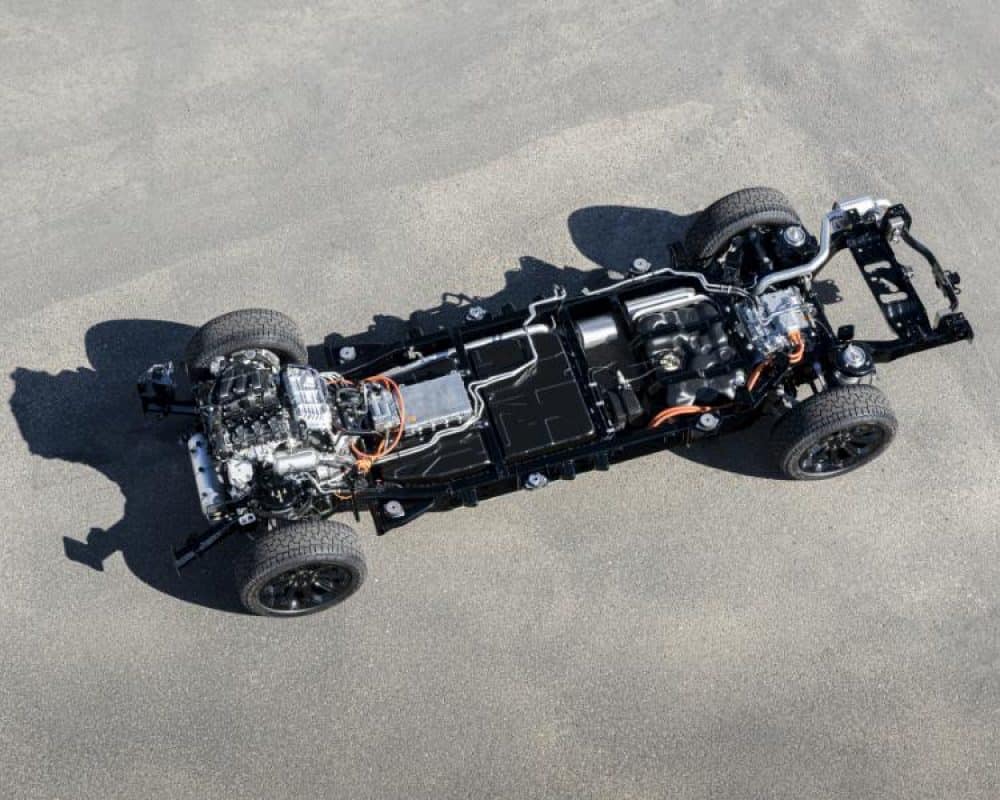
My current setup requires ~1.6kWh/mile at 65 MPH or around 100kW when towing. That's equivalent to 133 hp assuming 100% generation efficency. If you want the range extender to also charge the pack (and handle mountains/ headwinds), then it needs to produce at least 150 hp. That's near max output for a turbocharged gas 1.3L engine.Why in the world would you use a 3.6L generator, when a 1.3L would work just fine?

Small ICE? It's the normal RAM engine.So foolish to cram a small ICE in there. They’ve figured out how to be the worst of both worlds. And CCS port? Who is making these decisions? Good luck Stellantis.
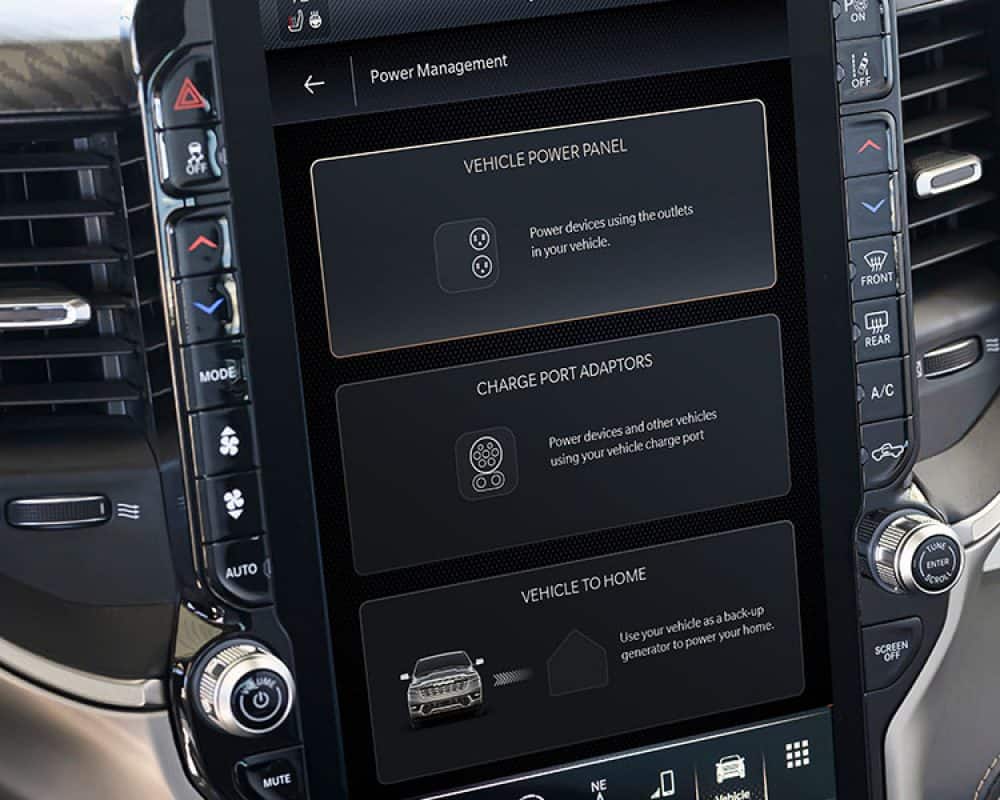
Especially if it has the European version (although that would allow direct 120V/240V split phase output).If they release this truck with a CCS port I'm may just keel over from laughter.
That could be, but "closeness" doesn't count when you're talking about whether it's an EV or not. We have 4 EVs and would never do that if each one had an auxiliary gasoline engine. The distinguishing feature of an EV is it doesn't have a gas engine. Saying it's "close" doesn't cut it for me.You're right, it's still a hybrid. But it's closer to a pure EV than existing mild hybrid and PHEV designs. Existing hybrids are basically ICE designs supplemented by electric. The 1500 REV is more like an EV design supplemented by ICE.
I'm sure Stellantis thinks exactly that. But deleting a 3.6L engine and gas tank and adding more batteries comes with a whole host of structural/packaging considerations. It's always superior to design an EV from the ground up. In the near future a REV will be a historical oddity, something that never really made sense except to people who couldn't get out of the mindset that a viable vehicle has to be used like the gasoline vehicles people became accustomed to. It looks like Stellantis is having trouble moving to the new electric paradigm, one that is not designed around filling up once a week, but by charging wherever you go.If Ram ever opts to make a pure EV, it should be relatively easy to modify the 1500 REV design. Just lose that 3.6L Pentastar engine and the gas tank, then add more battery.

they'll get at least some of the market who don't have enough IQ points to understand basic engineering, and why more complexity and mass is a really bad thing for the long term.I don't know if Stellantis really believes this is a good idea or if they just think consumers are so misinformed that it will sell well anyway. I don't believe either is true.
Basic engineering: typical trailers require a lot of energy to move.they'll get at least some of the market who don't have enough IQ points to understand basic engineering, and why more complexity and mass is a really bad thing for the long term.
"muh hurr durr, muh REV gets 1,200 miles of range and the cyborstonk only gets 300".
Yeah, true. But auto/truck manufacturing is based upon high volume sales to get the price down.they'll get at least some of the market who don't have enough IQ points to understand basic engineering, and why more complexity and mass is a really bad thing for the long term.
"muh hurr durr, muh REV gets 1,200 miles of range and the cyborstonk only gets 300".
What's the business failure?Yeah, true. But auto/truck manufacturing is based upon high volume sales to get the price down.
In other words, the REV is a money-losing project that doesn't make sense from a business perspective. It's already a failure, Stellantis just can't see it yet. The F-150 Lightning falls into the same category, and so does the Silverado EV if sales don't expand dramatically. Without substantial cost reductions, Silverado EV sales will not expand dramatically. GM is losing their shorts.
The 1.5l inline 3 in my BMW i8 makes 228hp. Ultimately though, you just want something reliable that produces the needed power in its most efficient power range. If you're dealing with a loaded truck anyway, the weight savings from a smaller engine probably doesn't amount to much.My current setup requires ~1.6kWh/mile at 65 MPH or around 100kW when towing. That's equivalent to 133 hp assuming 100% generation efficency. If you want the range extender to also charge the pack (and handle mountains/ headwinds), then it needs to produce at least 150 hp. That's near max output for a turbocharged gas 1.3L engine.
Using a 3.6L allows lower RPM operation and utilization, improving efficiency and extending engine life.