
HaulingAss
Well-known member
- Joined
- Oct 3, 2020
- Threads
- 28
- Messages
- 10,298
- Reaction score
- 20,703
- Location
- Western Washington, USA
- Vehicles
- Cybertruck DM, 2010 F-150, 2018 Performance Model 3, 2024 Performance Model 3

So then, Mr. Smarty Pants, why then is the Model S and the Model 3 not amphibious? They both float, as do a number of other cars that no one would consider amphibious.Seems like it is really, really hard to do...not. I mean if a "battery" company can do it right?
I think the main discussion here is that some people are annoyed that I am calling it "amphibious".
By definition, there is no limitation on how long it has to remain afloat to be called that, let alone that there is no definition of that it must float at all, to use that moniker.
So I use that term accordingly.
That then devolved into a conversation of how I'm "so silly" for suggesting that the CT will be amphibious, and that I'm endangering lives, should go back to cooking up other fantasies of exoskeletons on my barbie etc.
Note the connection between the "pro-exoskeleton-hypests" and the "anti-amphibian-jesters".
Groups of ill-informed people, repeating eachother ad nauseam, doesn't offer much room for a negative feedback loop, to bring in relevant information, to get a better approximation of the truth.
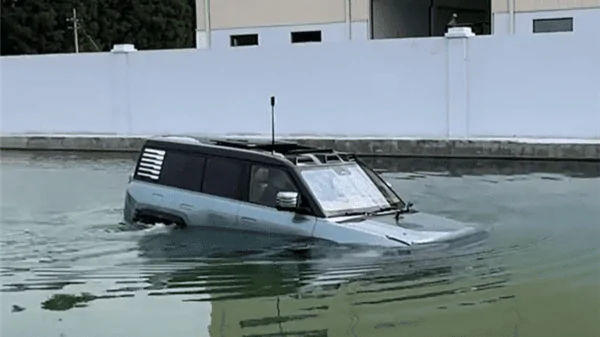
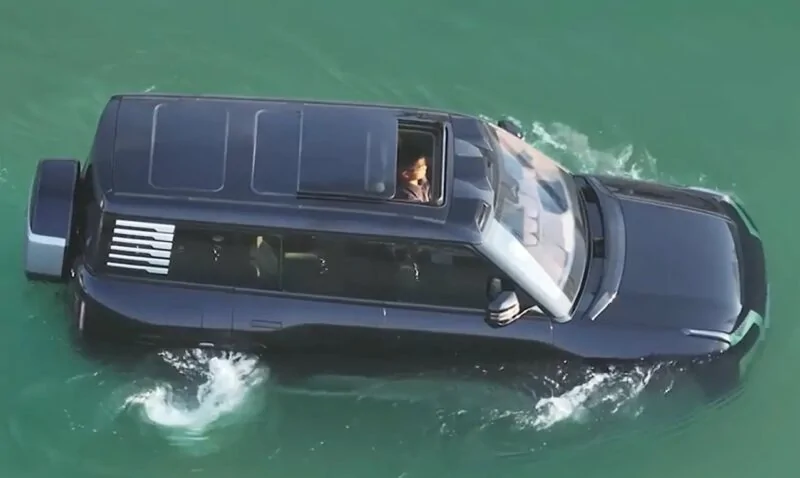
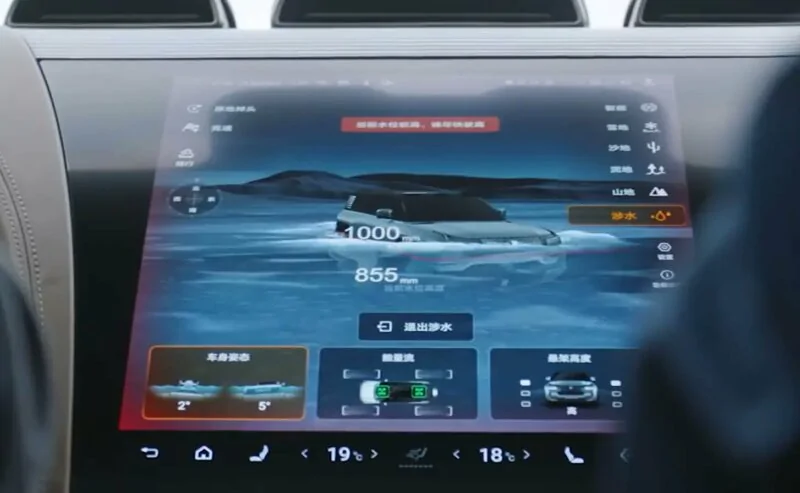
Now for one, I must commend BYD that they are in fact using the correct terminology at least.
They also highlight the fact that after "wading" to a certain depth, there will be enough displacement to actually "float" the U8. The point here is that even "if" you have a vehicle with a snorkel etc, it in no way guarantees that you will have enough traction to ford a river. For every inch of water depth you add you loose traction on the wheel from buoyancy, let alone from the water and slush you are driving through. That is the main reason water fording flooded, or fast moving rivers is a bad idea.
To overcome this problem of buoyancy, which is often the case with those that have done it before (vs those that have no clue) is that you simply open the vehicle doors to let the water in, to reduce the vehicle buoyancy, and be less likely to be carried away because you still have traction. It's important to note here, that on most vehicles, the CT included, the bulk of the buoyancy will come from the cabin air volume. So opening the doors makes it sink, and technically, if the electronic seals hold up, giving you under water driving ability, as demonstrated by the Model S video I posted previously.
In either case, the term amphibious holds true.

Sponsored