
Sponsored

No Exoskeleton

Crissa

Well-known member
First Name
Crissa
Joined
Jul 8, 2020
Threads
138
Messages
19,571
Reaction score
31,475
Location
Santa Cruz
Vehicles
2014 Zero S, 2013 Mazda 3
Country flag
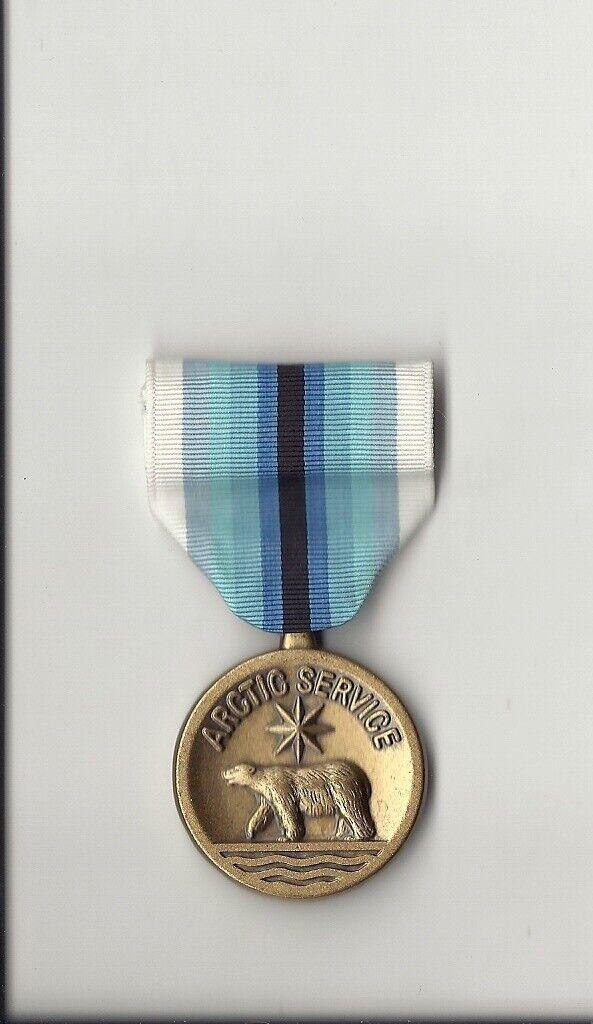
It could've been Optimus prime giving himself a medal but that wasn't readily available for me to snag lol
...Yes, if it wasn't a politician, it wouldn't have been political. That's how words work. ??‍♀

-Crissa
Sponsored


Gurule92

Well-known member
Joined
Sep 2, 2021
Threads
201
Messages
3,825
Reaction score
7,373
Location
Colorado Springs
Vehicles
MYP
Occupation
"Cyber" stuff
Country flag
...Yes, if it wasn't a politician, it wouldn't have been political. That's how words work. ??‍♀

-Crissa
Uh oh you said the word politician better delete that post.

See how silly that is?

Here it's not a politician anymore

Tesla Cybertruck No Exoskeleton FhnvaaPVsAAn1ij


Deleted member 17810

Guest
Have you read all my posts about this?

I don't mind if you want to discuss how something or all I said was wrong, but if you want to do so at least make the effort of pointing out what you think it is so we can work our way to the truth.

Just questioning everything doesn't prove much.

I’ve written this so many times before, but show me a load path that is better off going through the skin, then I might be able to believe it too.
Ok, I'm back from reading all your posts (not really, but kinda).

If you compare to the rear/front castings to the ridgline unibody, youll notice one thing.

The ridgeline used boxed tubes for the structure. This is the best bet for top to bottom forces and side to side torsion forces.

If you look at the rear casting of the CT youll see it's more or less an i-beam fork lift. I beam doesn't have the greatest torsion resistance, and it's why when used in body on frame the have internal transversal supports.

"weve moved all the mass outside" to paraphrase. By boxing out one side of an I beam you can reduce torsion. and reduce the amount of metal needed inside the body. (the ibeam plus SS skin tied in)


Is the setup from the spy pick structurally sound? I refuse good sir!

It's missing the glass on roof and windshield. Is there a cross structure at the apex? does that mean it's no longer exo? how many licks to the center of a tootsie pop?

Glass and roof provide structure on every other tesla vehicle. Ridgeline uses structures, then the sheet metal on top.

The bottom, structural battery pack enough said.

So the front of the CT. We have a hood, fenders and suspension. Hood like the glass tops/doors will lock up the open fork casting Fruscnk (named after franz).

Suspension is outside the casting, just the tonneaou cover and I think they both add to the exo skeleton and can both be omitted and the exoskeleton still exist.

To summarize, CT is using ibeam with outer cladding instead of boxed unibody frames with transveral supports.

*insert diagrams I'm too lazy to make*

*cough cval*


JBee

Well-known member
First Name
JB
Joined
Nov 22, 2019
Threads
18
Messages
4,913
Reaction score
6,362
Location
Australia
Vehicles
Cybertruck
Occupation
. Professional Hobbyist
Country flag
Ok, I'm back from reading all your posts (not really, but kinda).

If you compare to the rear/front castings to the ridgline unibody, youll notice one thing.

The ridgeline used boxed tubes for the structure. This is the best bet for top to bottom forces and side to side torsion forces.

If you look at the rear casting of the CT youll see it's more or less an i-beam fork lift. I beam doesn't have the greatest torsion resistance, and it's why when used in body on frame the have internal transversal supports.

"weve moved all the mass outside" to paraphrase. By boxing out one side of an I beam you can reduce torsion. and reduce the amount of metal needed inside the body. (the ibeam plus SS skin tied in)


Is the setup from the spy pick structurally sound? I refuse good sir!

It's missing the glass on roof and windshield. Is there a cross structure at the apex? does that mean it's no longer exo? how many licks to the center of a tootsie pop?

Glass and roof provide structure on every other tesla vehicle. Ridgeline uses structures, then the sheet metal on top.

The bottom, structural battery pack enough said.

So the front of the CT. We have a hood, fenders and suspension. Hood like the glass tops/doors will lock up the open fork casting Fruscnk (named after franz).

Suspension is outside the casting, just the tonneaou cover and I think they both add to the exo skeleton and can both be omitted and the exoskeleton still exist.

To summarize, CT is using ibeam with outer cladding instead of boxed unibody frames with transveral supports.

*insert diagrams I'm too lazy to make*

*cough cval*
Thank's for the response.

Although it doesn't explain a load path through the Stainless skin like I asked for, in particular through the fenders that are attached, it does provide a different perspective on how you see it compared to the Ridgline.

I do think your I beam in analogy is a bit off though. The cabin frame is a 3D truss/space frame made of many interlinking steel/aluminium members, with a structural pack floor and glass roof that is used the stiffen the upper parts. The structural pack floor is essentially a honeycomb sandwich panel, where the individual batteries create the honeycomb "cells". To my eye the cabin represents more of a tube with holes than an I beam shape.

This space frame theme follows on to the front and rear castings, and can be clearly seen in the supporting structure, with cast webbing creating the other necessary load carrying parts in the cast.

The main advantage to using a space frame over a I beam or box section chassis is that by increasing the size of the geometry, to incorporate the cabin space, you end up using less material and saving weight, whilst also making it stronger, and a complete safety cell for the passengers. Every unibody car is like that though, not just CT.

The question in particular therefore remains how the fenders can assist the frame, if the fenders are not physically in the right location to bear loads and is outside of them, that are only going between the wheels.
 

Deleted member 17810

Guest
Thank's for the response.

Although it doesn't explain a load path through the Stainless skin like I asked for, in particular through the fenders that are attached, it does provide a different perspective on how you see it compared to the Ridgline.

I do think your I beam in analogy is a bit off though. The cabin frame is a 3D truss/space frame made of many interlinking steel/aluminium members, with a structural pack floor and glass roof that is used the stiffen the upper parts. The structural pack floor is essentially a honeycomb sandwich panel, where the individual batteries create the honeycomb "cells". To my eye the cabin represents more of a tube with holes than an I beam shape.
The cabin is in the ridgeline and the CT are almost the same.
roof:
ridge: transverse and then sheet metal ; ct: laminated glass.

Floor:
ridge: transverse supports, floor boards ; ct: laminated battery pack (foam internal support)

The ridgeline unibody doesn't need the glass for structure. I think the CT exo does. another decimation of the idea the picture is structurally sound.
This space frame theme follows on to the front and rear castings, and can be clearly seen in the supporting structure, with cast webbing creating the other necessary load carrying parts in the cast.

The main advantage to using a space frame over a I beam or box section chassis is that by increasing the size of the geometry, to incorporate the cabin space, you end up using less material and saving weight, whilst also making it stronger, and a complete safety cell for the passengers. Every unibody car is like that though, not just CT.
The castings resembles the model Y with the webbing, and the Y still needs and addition support shell before the body panels (just like the ridgeline unibody).

The exo patent is moving that structure support into the skin.

The question in particular therefore remains how the fenders can assist the frame, if the fenders are not physically in the right location to bear loads and is outside of them, that are only going between the wheels.
The fenders assist the frame in torsion forces.

The weld plate the cvalue mentioned is what helps move forces between the ibeams to the tubular cabin because of the overlap in the casting/cabin.

Just like the metal plates on wooden joist unions.
 

JBee

Well-known member
First Name
JB
Joined
Nov 22, 2019
Threads
18
Messages
4,913
Reaction score
6,362
Location
Australia
Vehicles
Cybertruck
Occupation
. Professional Hobbyist
Country flag
The cabin is in the ridgeline and the CT are almost the same.
roof:
ridge: transverse and then sheet metal ; ct: laminated glass.

Floor:
ridge: transverse supports, floor boards ; ct: laminated battery pack (foam internal support)

The ridgeline unibody doesn't need the glass for structure. I think the CT exo does. another decimation of the idea the picture is structurally sound.


The castings resembles the model Y with the webbing, and the Y still needs and addition support shell before the body panels (just like the ridgeline unibody).

The exo patent is moving that structure support into the skin.


The fenders assist the frame in torsion forces.

The weld plate the cvalue mentioned is what helps move forces between the ibeams to the tubular cabin because of the overlap in the casting/cabin.

Just like the welded. plates on wooden joists.
Where does the load originate from on the fender? Is there any mass hanging off it? The only point there is torsion on the frame is when one wheel or two diagonally opposite wheels are lifted or compressed in comparison to the others. The load (L) only exists between the the wheel suspension parts (S), like two columns on a bridge, like the below diagram:
(PS Ignore the dots .... I had to use them to get the formatting positions right)

....(L)...
|-----|
S.......S

But the fender (F) is outside of the load path like this:

.........(L)..........
F--|-----|--F
.....S........S.....

For there to be any structural advantage of having the fender carrying some load there must also be a load attached to it that it can then carry, so that would be like this:

(L).....(L).....(L)
F--|-----|--F
.....S........S.......

For diagonally opposite loads the suspension would look like this for the front:

.........(L)
|-----|
.........S
S

And this for the rear:

L
|-----|
S
.........S

And that is what creates a longitudinal torsional load on the cabin frame that twists it. For the fender to help with this it would have to attached between the load and the suspension parts like this:

......(L).....
|-F---F-|
S...........S

Which is not physically the case with the CT, because the fenders are on the outside of the suspension mounts, like every other car.
 
Last edited:

Deleted member 17810

Guest
Where does the load originate from on the fender? Is there any mass hanging off it? The only point there is torsion on the frame is when one wheel or two diagonally opposite wheels are lifted or compressed in comparison to the others. The load (L) only exists between the the wheel suspension parts (S), like two columns on a bridge, like the below diagram:

....(L)...
|-----|
S.......S

But the fender (F) is outside of the load path like this:

.........(L)............
F--|-----|--F
.....S.........S.....

For there to be any structural advantage of having the fender carrying some load there must also be a load attached to it that it can then carry, so that would be like this:

(L)....(L)......(L)
F--|-----|--F
.......S..........S.......

For diagonally opposite loads the suspension would look like this for the front:

.......(L).....
|-----|
S
S

And this for the rear:

L
|-----|
S
S

And that is what creates a longitudinal torsional load on the cabin frame that twists it. For the fender to help with this it would have to attached between the load and the suspension parts like this:

L
|-F---F-|
S S

Which is not physically the case with the CT, because the fenders are on the outside of the suspension mounts, like every other car.
The ChickenTruck isn't an stationary being. There are loads coming from all kinds of directions.


The load doesn't need to be introduced from outside.

The cargo in the bed, pulls inward on the I beams of the sail pillars. Introducing torsion.


This is only in the front to back back view, if you view. it in the lateral view, you can also see the forces being shared with the skin overlap.
 

JBee

Well-known member
First Name
JB
Joined
Nov 22, 2019
Threads
18
Messages
4,913
Reaction score
6,362
Location
Australia
Vehicles
Cybertruck
Occupation
. Professional Hobbyist
Country flag
The ChickenTruck isn't an stationary being. There are loads coming from all kinds of directions.


The load doesn't need to be introduced from outside.

The cargo in the bed, pulls inward on the I beams of the sail pillars. Introducing torsion.


This is only in the front to back back view, if you view. it in the lateral view, you can also see the forces being shared with the skin overlap.
That is purely hypothetical what you say. I do the single line diagrams to help the words I use, not to replace them.

Where is the load created on the fender in your scenario, and what is it's source?
At any time interval you like btw, even dynamic loads are static at one point in time.
Sponsored


Top