
JBee
Well-known member
- First Name
- JB
- Joined
- Nov 22, 2019
- Threads
- 18
- Messages
- 4,913
- Reaction score
- 6,362
- Location
- Australia
- Vehicles
- Cybertruck
- Occupation
- . Professional Hobbyist

All of that misses the point however.I'll just let chatgpt explain
Charging two 400V batteries in series versus in parallel leads to different outcomes in terms of voltage, capacity, and current demand. Here's a comparison:
### Charging in Series (to make 800V)
- **Voltage**: When two 400V batteries are connected in series, their voltages add up. So, you get an 800V system.
- **Capacity**: The capacity (measured in Ah or kWh) remains the same as one of the single batteries. It does not increase.
- **Current Demand**: The current demand for charging remains the same as for a single battery. However, the charger and system must be capable of handling the higher voltage (800V).
- **Benefits of 800V System**:
- **Faster Charging**: Higher voltage can support faster charging rates, reducing charge times.
- **Increased Efficiency**: Higher voltage systems can be more efficient, leading to less energy loss in the form of heat.
- **Lighter Wiring**: Higher voltage allows the use of thinner wires for the same power transmission, reducing weight.
### Charging in Parallel
- **Voltage**: The voltage remains at 400V, the same as a single battery.
- **Capacity**: The capacity doubles, offering increased energy storage (e.g., from 100Ah to 200Ah).
- **Current Demand**: The current demand for charging doubles if you want to charge at the same rate as a single battery, as now there is more capacity to fill.
- **Benefits**:
- **Increased Capacity**: More energy storage means longer use between charges.
- **Redundancy**: If one battery fails, the system can potentially still operate on the other.
- **Lower Voltage Handling**: The system and charger don’t need to handle higher voltages, which can simplify design and safety requirements.
### Summary
- **800V System**: Offers fast charging and efficiency, ideal for applications like electric vehicles where these factors are crucial.
- **Parallel System**: Provides more energy storage and redundancy, suitable for applications where extended usage time is more important than charging speed.
Each configuration has its own set of advantages and is chosen based on the specific requirements of the application. In the context of electric vehicles, the trend is moving towards higher voltage systems like 800V for their efficiency and fast charging capabilities.
____________________________________
Notice the part about charging times
Higher voltage charges faster. Because you wouldn't necessarily need to half the amps pushed. Resulting in higher wattage in
You are assuming that they would be adding the same amount of power both ways. But they wouldn't necessarily. I mean, what if they push the same amperage at the two voltages? Obviously the 800v charges faster right?
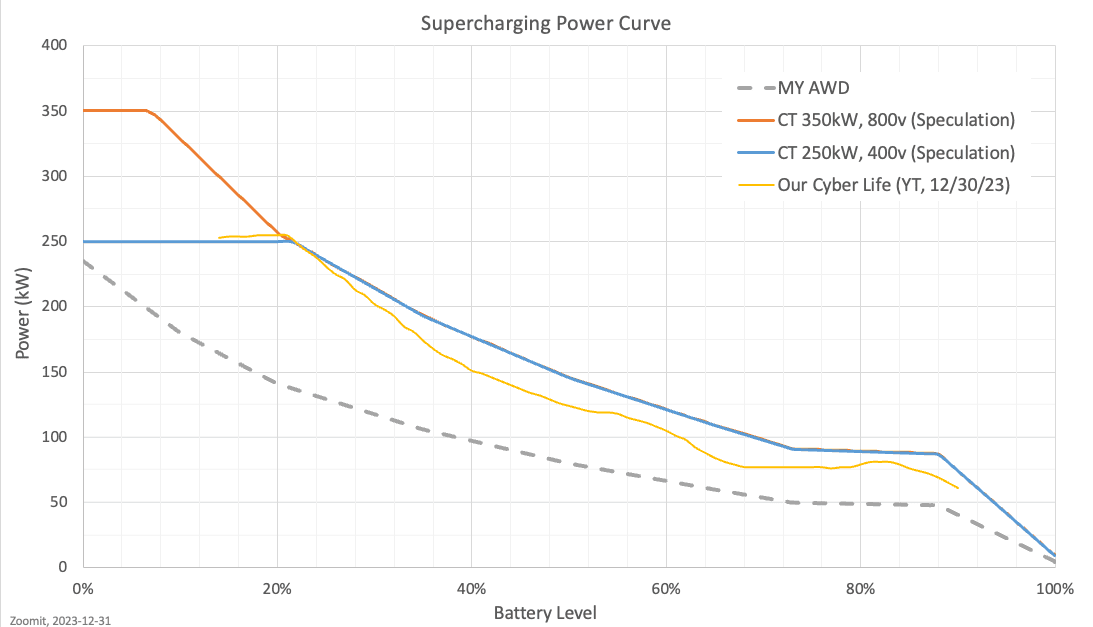
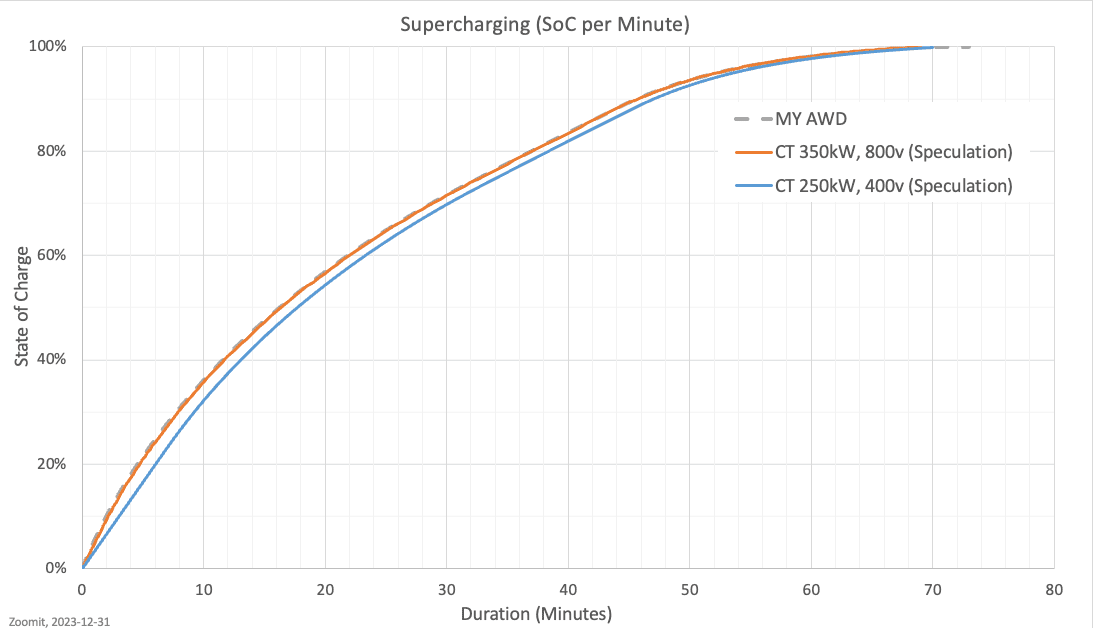
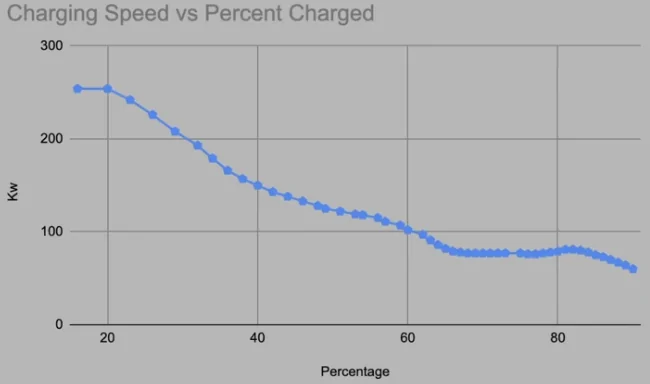
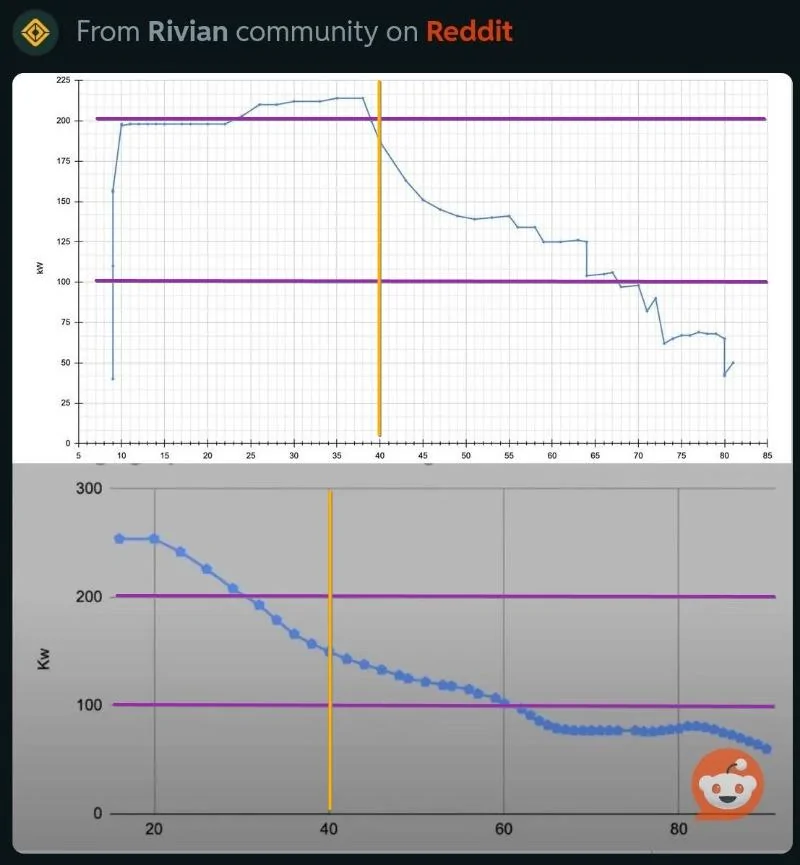
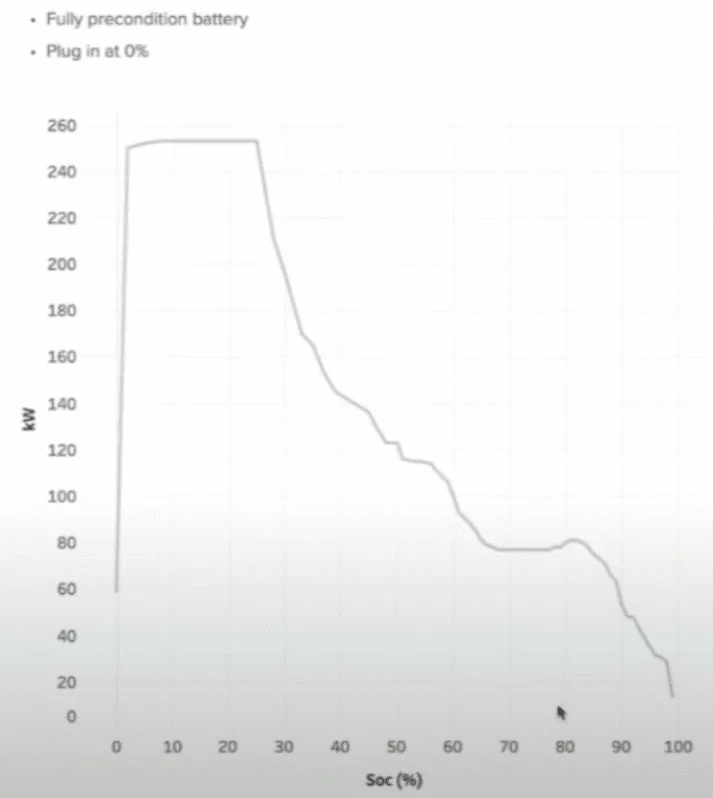
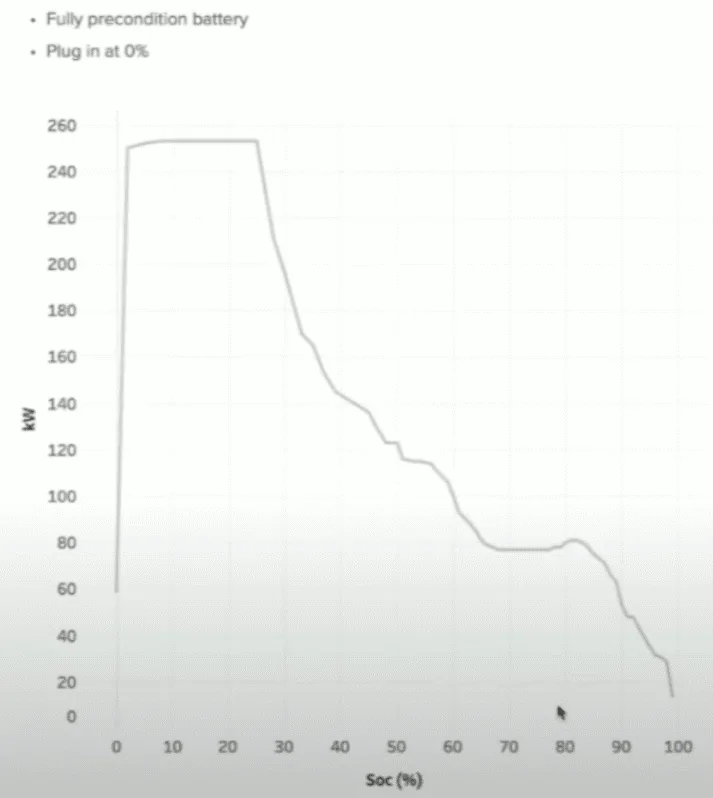
800V will increase the maximum charging rate that can be obtained through a charger and cable, but in no way is the dominate reason why batteries have an upper limit charge rate that reduces with increasing SOC.
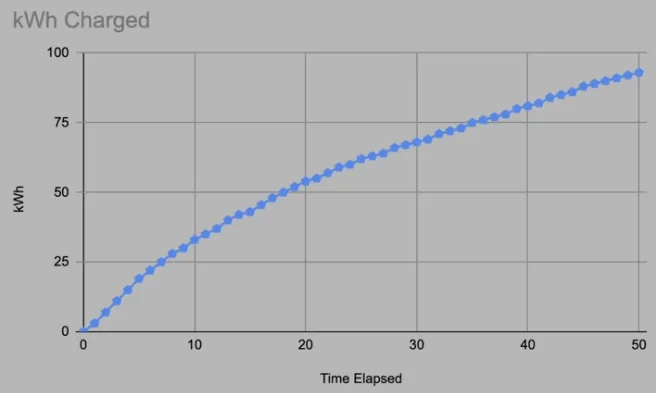
The point here is simple in that batteries can only accept a limited amount of energy over a given time, so that as EM puts it, electrons can find their "parking spots". The emptier the parking lot, the faster it fills, because parking is easier to find. The fuller the less electrons can enter, because parking spots are harder to find, so less electrons can be pushed through at one time.
Now if those electrons were running at 800V or 400V is of no consequence for the batteries themselves, as each is cell is only 3.7V. Voltage does not increase the speed of electrons nor increase the amount of parking spots in the cell, so it has not meaningful use, except for, as above, increasing the charge rate capacity of the cables and charger to the vehicle.
If charger/cabling is not the limiting factor, it adds nothing to charge the vehicle.
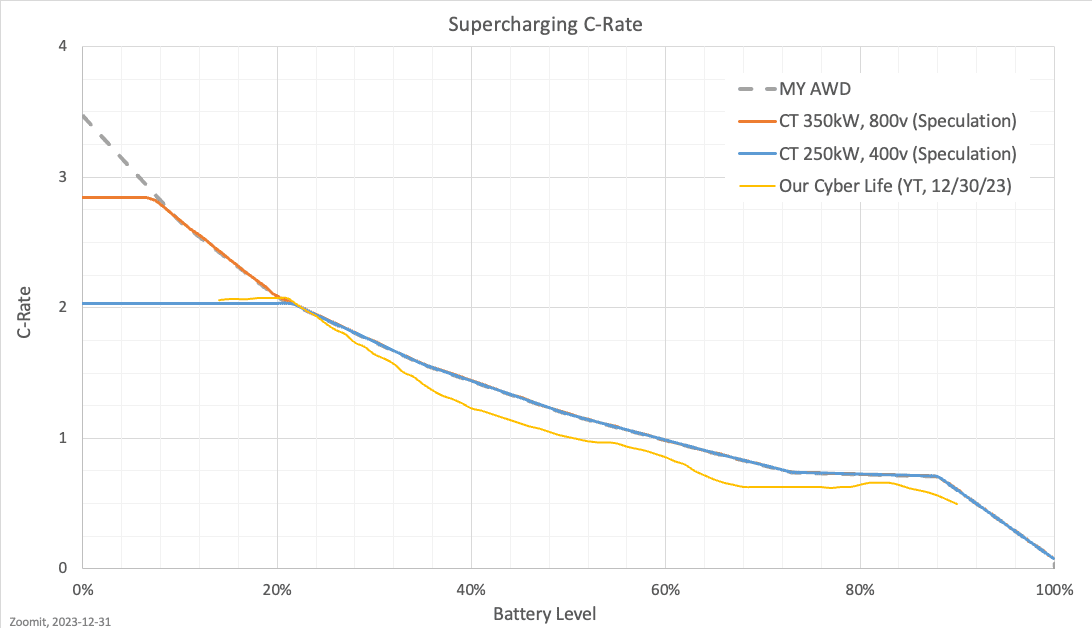
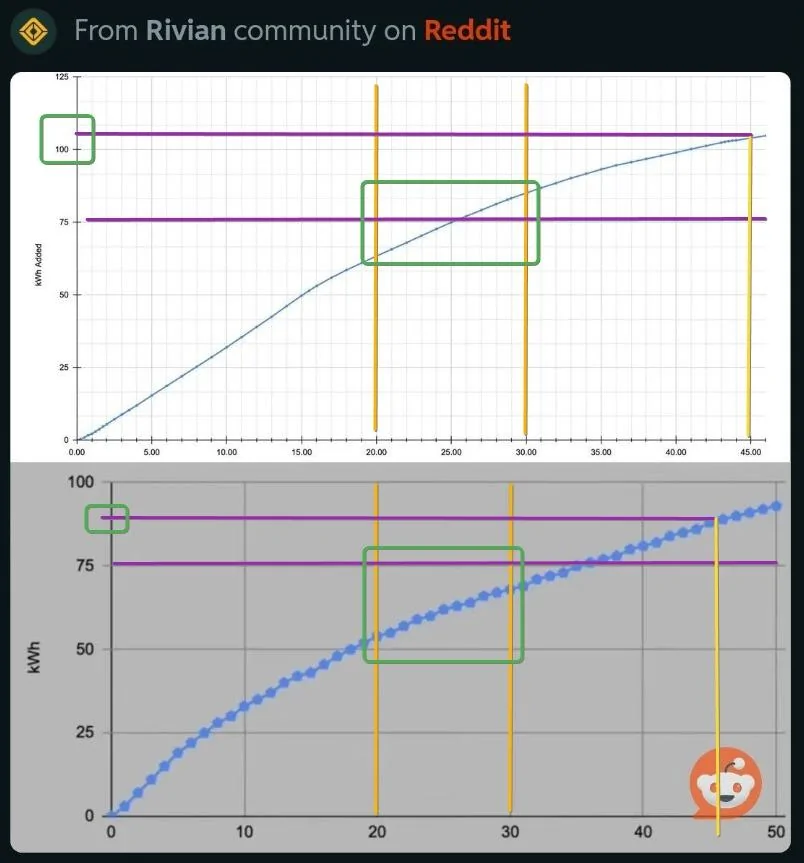
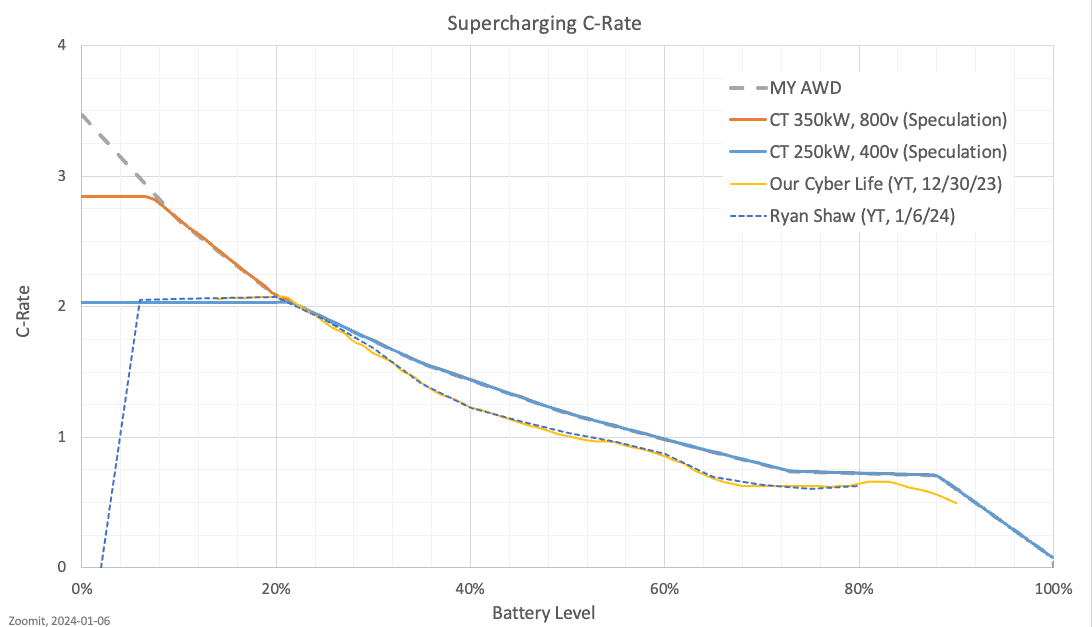
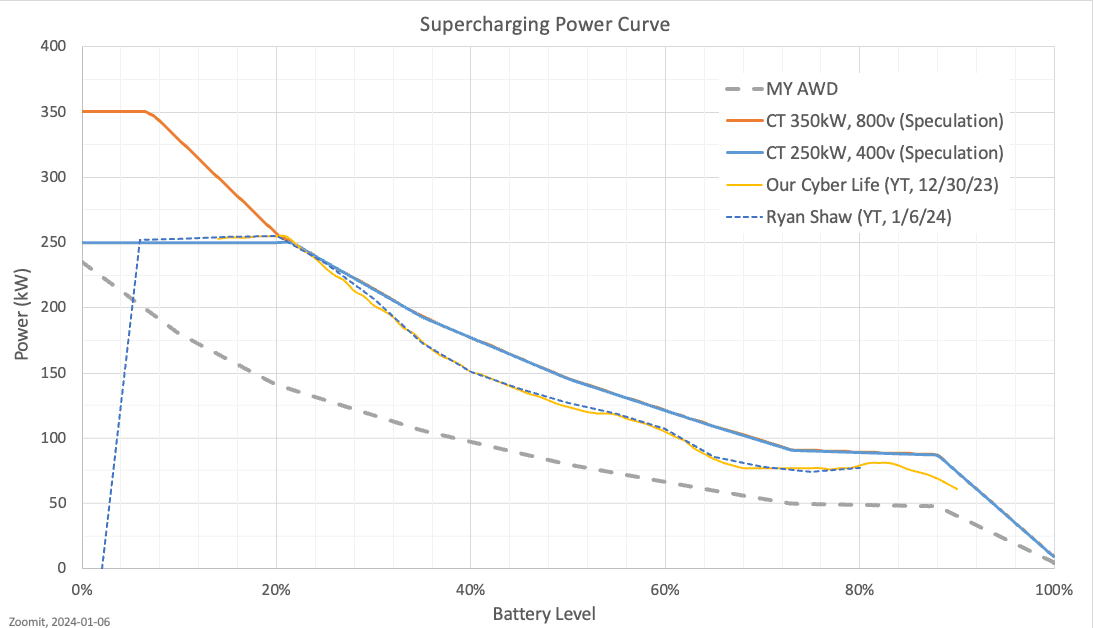
But as shown in my post above, in the case of the CT 123kWh pack, the extra pack size, means that a v3 SC is limiting the maximum charge rate of the CT battery. In comparison, with a smaller pack, the MY is not being limited by v3 SC (well at least not much). So here a v4 would help, and as such the 800V/1kV would also help, as this will reduce cable size and heating losses.
Essentially, the battery in the CT is limiting factor with v4, but with v3 its the charger, until cell tapering occurs.
--
One side note here: 800V is however meaningful on the consumption side to reduce motor winding size and heat losses, so that's why they used 800V instead, like many other EV's have already.
Sponsored