
JBee
Well-known member
- First Name
- JB
- Joined
- Nov 22, 2019
- Threads
- 18
- Messages
- 4,913
- Reaction score
- 6,362
- Location
- Australia
- Vehicles
- Cybertruck
- Occupation
- . Professional Hobbyist

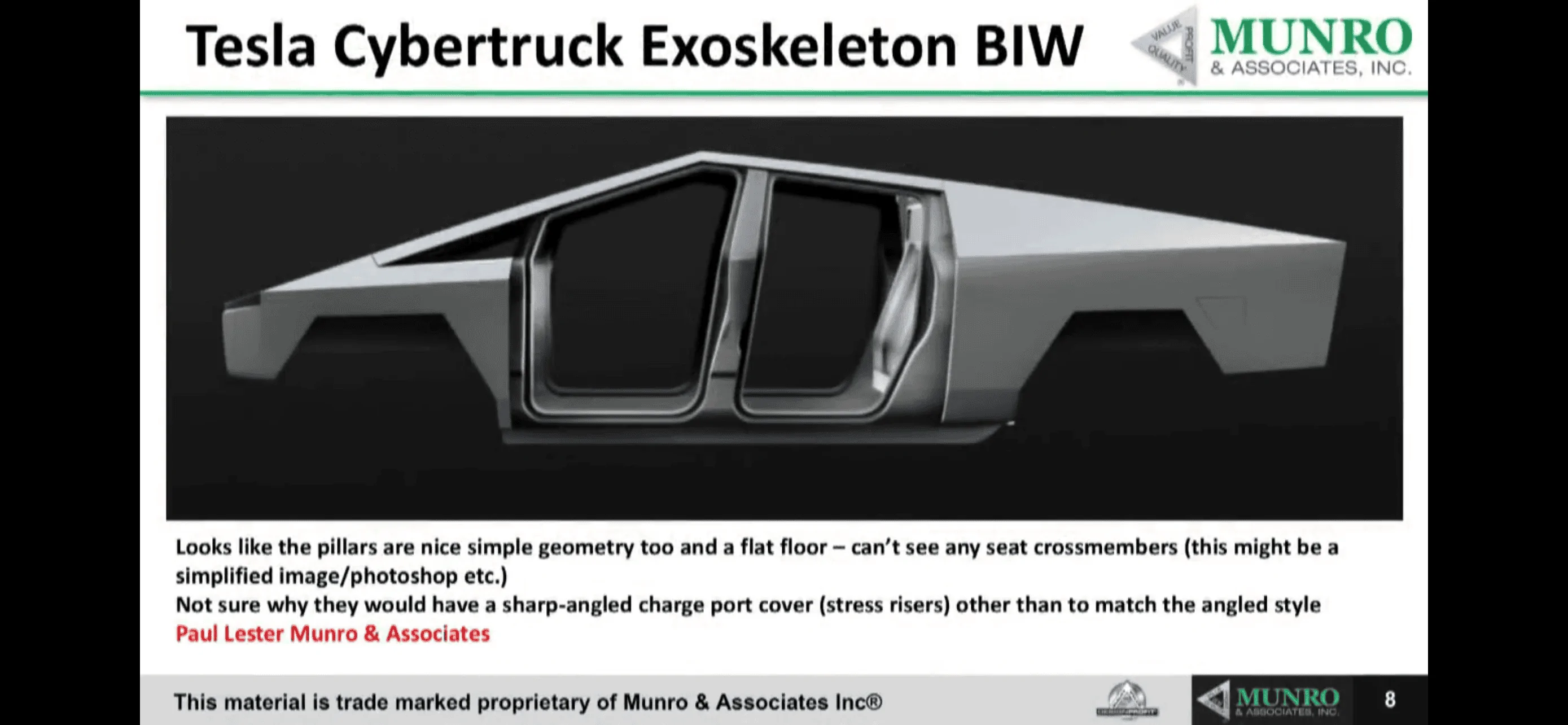
I'm sure you meant to say 1/8" or 3mm thick Stainless plate?Where we depart, is that your dogma makes you believe that if those 2 inch wide stainless steel mending brackets that are welded to the frame, happenstance extend in 2 feet in either direction, that somehow magically, they are no longer operationally functional.
Sorry my friend but you are simply wrong. The location of any load bearing structure must be within the load path not "outside" it, I couldn't give two hoots about if it's a fender or fits my dogma, that's just the plain physics of it.
Look at this diagram (don't mind the quality of the sketch on my phone)
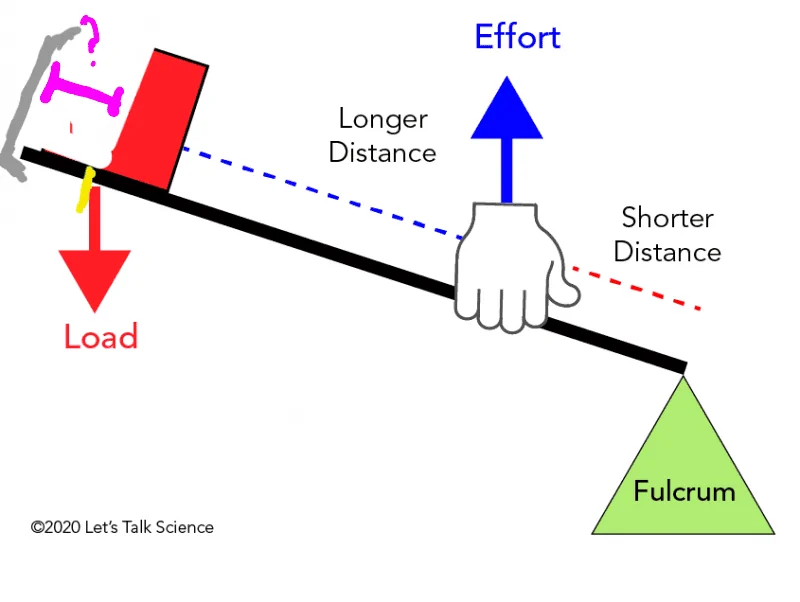
In the above the fender is attached to left and the outside of the lever arm in grey. The load is the red block, the load path is the blue and red dotted line.
The pink line is what you are claiming is a part of the load path in your pages of description. The yellow line is your rigid connection point of the fender to the CT body and is left wanting to prove your pseudo arguement above.
Tell me Sir Newton, where on that diagram does the load in the diagram get supported by the fender structure and how is it on or near the land path to do so??
It's outside of the path, not on the path, not even near the path, and most certainly displaced from the path.
Just like your argument that I have some immediate need to prove, over pages of discussion, that a single fender needs to be outside, and is the kingpin to my "exoskeleton" argument.
Talk about the pot calling the kettle black.
Sponsored